
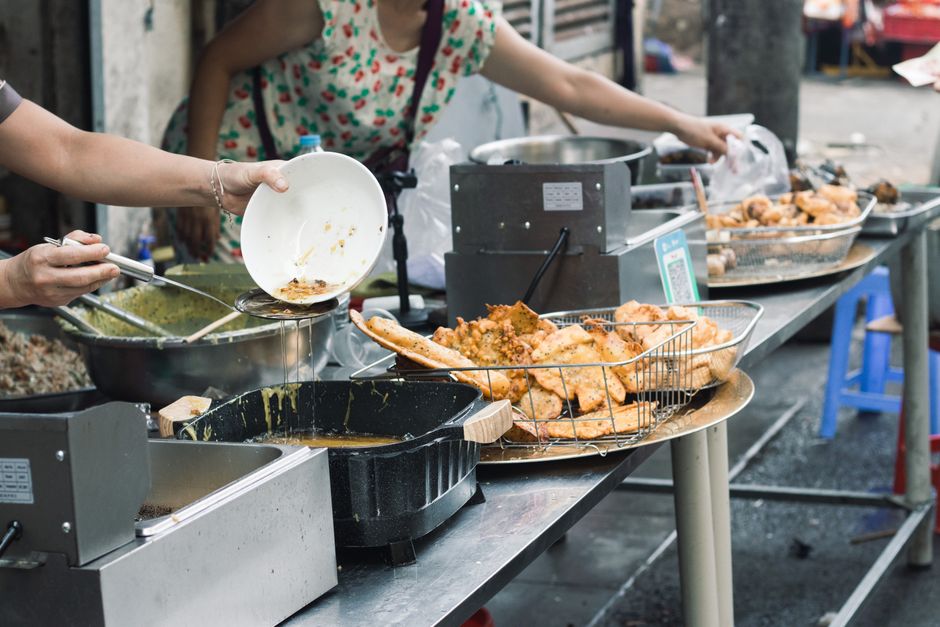
Many visitors assume vegetarian travellers must skip Penang’s famous hawker food. That is the wrong assumption. The real problem is not finding vegetables; it is knowing which broth, sauce, oil, or topping quietly contains fish, shrimp paste, lard, or egg. George Town has a deep vegetarian food culture, but you need to read the food scene by tradition, timing, and stall type.
Chinese Buddhist vegetarian stalls, South Indian cafes, market desserts, and newer vegan kitchens give you plenty of options. A realistic 2026 budget is RM15–30 per person for a filling food walk, excluding alcohol and transport.
Is vegetarian street food in Penang actually easy?
The misconception about local hawker food
Penang’s most famous dishes are often built around animal ingredients. Char koay teow may use lard and shrimp, Hokkien mee usually relies on prawn stock, and assam laksa often contains fish. Asking for no meat does not automatically remove those ingredients. A bowl can look full of noodles and vegetables while the soup still carries seafood.
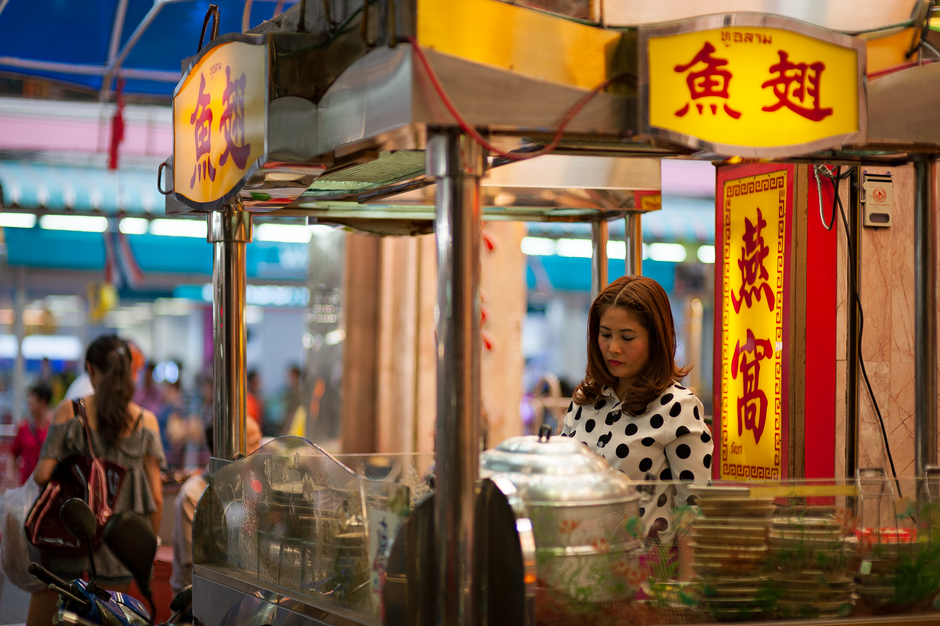
That does not make George Town difficult for vegetarians. It means you need to separate vegetarian by appearance from vegetarian by preparation. A stall displaying a yellow Buddhist vegetarian banner or the Chinese characters 素食 is usually a safer starting point. Indian vegetarian restaurants are another strong option, especially around Little India and Penang Street.
Why the city has so many meat-free choices
Penang’s vegetarian scene comes from several long-running traditions rather than one recent vegan trend. Chinese Buddhist kitchens developed mock meats made from tofu skin, gluten, mushrooms, and beans. Tamil and South Indian cooking brought dosa, idli, thali, chapati, and vegetable curries. Modern vegan cafes now reinterpret local dishes with plant-based ingredients.
The best answer for a first-time visitor is simple: eat at a clearly vegetarian stall for the main meal, then try traditional snacks and desserts from ordinary hawker areas after checking the ingredients. That approach gives you local flavour without treating every crowded food lane as automatically safe.
Where to eat vegetarian food in George Town by time
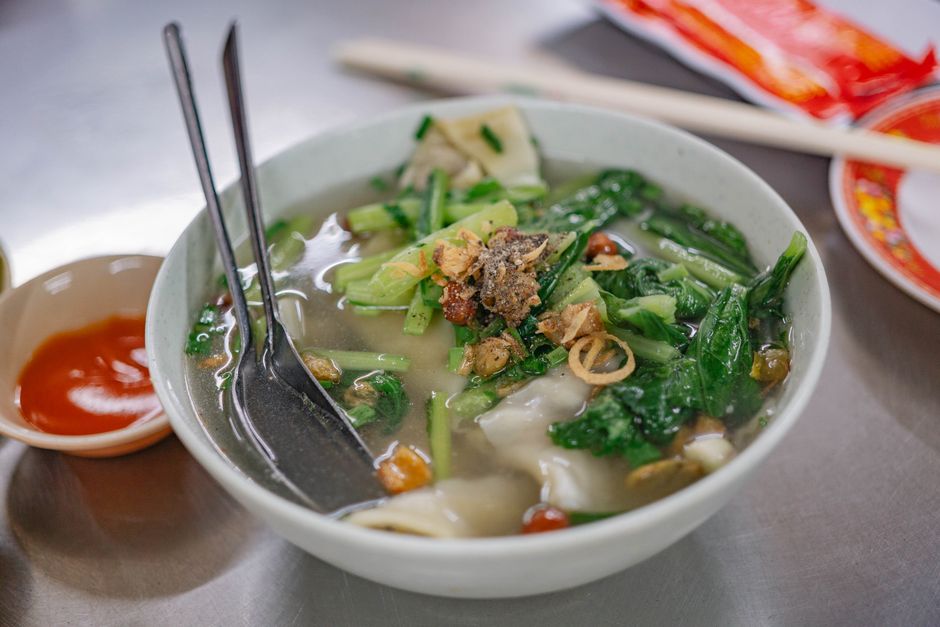
A practical food-day schedule
Timing matters more than most guidebooks admit. Morning vegetarian stalls can sell out before lunch, while the busiest evening streets may have many food choices but fewer clearly labeled vegetarian dishes. The table below gives a workable route through the heritage core.
| Time | Area | Best vegetarian choice | Typical budget |
|---|---|---|---|
| 7:00–10:00am | Chowrasta Market or Kimberley Street | Buddhist vegetarian rice, tofu, vegetables, tau foo fah | RM5–10 |
| 9:30am–2:00pm | Little India and Penang Street | Vegetarian thali, dosa, idli, chapati, banana leaf rice | RM8–18 |
| 11:00am–8:00pm | Lebuh Dickens | Ee Beng Vegetarian Food rice sets and buffet-style dishes | RM10.50–18 |
| 5:00–10:00pm | Kimberley Street, New Lane, Chulia Street | Vegetarian stalls, Indian food, fruit, drinks, and desserts | RM5–20 |
| After 8:00pm | Central George Town restaurants | Clearly labeled vegan or vegetarian sit-down meals | RM15–35 |
The best low-cost morning stop
Morning market stalls around Chowrasta Market and Kimberley Street are the strongest value. Buddhist vegetarian plates typically run RM5–8 for rice with two or three items, while tau foo fah can cost about RM1.50–3. The tradeoff is availability: these stalls often operate from around 7:00am and finish when the food is gone, commonly by noon.
Why a backup matters
Do not build a full day around one stall. Markets close, vendors take rest days, and rain can change the street setup. Keep Little India as your lunch backup and a dedicated vegetarian restaurant as your evening fallback. Bottom line: arrive early for the cheapest local food, then use a named vegetarian restaurant when reliability matters more than atmosphere.
What to order at Chinese Buddhist vegetarian stalls
Build a plate instead of chasing a famous dish
The best first order is usually a rice plate with two or three cooked dishes. Look for tofu skin, braised tofu, mock chicken, gluten-based roast meat, cabbage, long beans, aubergine, mushrooms, and seasonal greens. Point to what you want, ask for rice, and confirm the total before sitting down. This is faster and safer than trying to translate a long menu.
Expect the food to be savoury, sweet, and strongly seasoned. Mock meat is not a health claim; it is a texture and flavour tradition. Some dishes are fried, sugary, or high in sodium. If you want a lighter plate, choose two vegetables and one tofu item instead of three mock-meat pieces.
Understand strict Buddhist vegetarian rules
Many Chinese Buddhist kitchens avoid meat, seafood, eggs, and dairy. Some also avoid onion, garlic, chives, and other pungent ingredients. That can be useful for vegans, but do not assume every vegetarian stall follows identical rules. Ask if you need egg-free, dairy-free, or allium-free food.
Common safe-looking dishes can still cause confusion. Fried noodles may be cooked on a shared wok. A sauce may contain oyster sauce. A dumpling wrapper may include egg. The safest phrase is saya vegetarian, meaning I am vegetarian, followed by a specific request such as tanpa telur dan tanpa ikan, meaning without egg and without fish.
Small dishes that work between meals
Tau foo fah is one of the easiest vegetarian snacks: soft soy curd with ginger syrup or gula melaka. Plain roti canai is also usually meat-free, but the dhal and curry should still be checked for ghee, anchovy, or meat stock. Fresh fruit, shaved ice, and some traditional rice cakes are useful when you want something light. The clear winner for a first Buddhist-stall meal is a simple rice plate, because you can see most of the ingredients before paying.
Little India is the best fallback for a filling meal
Choose South Indian food when certainty matters
For travellers who want a dependable, filling meal, I prefer South Indian vegetarian food over trying to modify a seafood-based hawker specialty. Dosa, idli, chapati, vegetable biryani, and thali are designed around vegetables, lentils, rice, and spices from the start. You are not asking a noodle stall to remove half its recipe.
Thali Vegetarian Cafe & NR Sweets at 75 Penang Street is listed by Penang Global Tourism as a vegetarian cafe serving Indian meals and sweets. Its published hours are 9:30am–9:30pm daily, which makes it a useful lunch or early dinner option. A typical vegetarian thali or rice meal in Little India should budget around RM8–18, depending on the number of curries and add-ons.
Woodlands, dosa, and the tradeoff
Woodlands Vegetarian Restaurant is another established name near the heritage core, with Indian vegetarian dishes and a more conventional sit-down format. Choose it when you want air conditioning, a proper table, or food that is easier to explain to a cautious traveller. The tradeoff is price and atmosphere: a sit-down meal may cost more than a market plate and feels less like street food.
Do not order a thali simply because it looks cheap. Check whether drinks, extra rice, papadum, or dessert are charged separately. Also ask for the spice level before ordering. Mild food is possible, but a curry that looks gentle can still bring serious chili heat. My pick is dosa or thali for a substantial lunch, and Buddhist rice stalls for cheaper grazing later.
How to check if a dish is truly vegetarian
Use this five-step order process
- Look for a dedicated vegetarian sign, a yellow Buddhist banner, or the words 素食, vegetarian, or vegan.
- Ask about the base: fish stock, shrimp paste, oyster sauce, chicken powder, lard, ghee, egg, and dairy are the common traps.
- Use a specific request instead of only saying no meat: ask for no fish, no seafood, no egg, and no meat stock.
- Watch the cooking surface. A vegetarian menu does not always mean a separate wok or fryer.
- Confirm the price and portion before the food is served, especially at buffet-style stalls where items are charged by piece or weight.
Useful words and gestures
Say saya vegetarian for I am vegetarian. For vegan food, say saya vegan. Tanpa daging means without meat, but it may not exclude fish or seafood, so add tanpa ikan dan makanan laut. Showing a translated note on your phone helps when the stall is noisy.
Do not rely on a green vegetable icon alone. In Malaysia, vegetarian can mean meat-free while still allowing egg, dairy, shrimp paste, or fish sauce. For a strict diet, dedicated vegetarian restaurants remain the best choice. Verdict: clear questions beat confidence; the five-minute check is cheaper than discovering the problem after the first bite.