
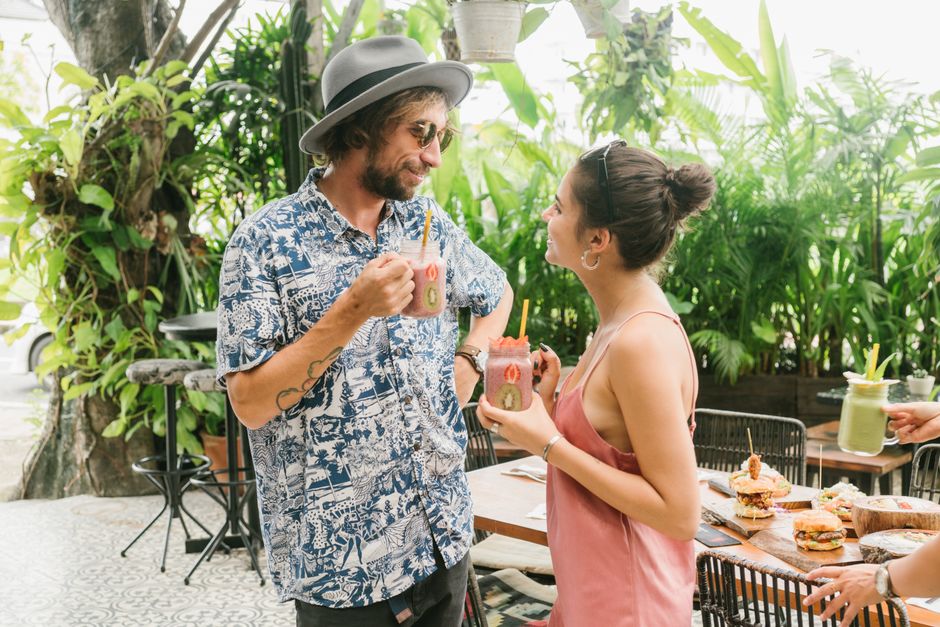
My clear recommendation: build your Buenos Aires summer food plan around seasonal produce, fully plant-based restaurants, and naturally vegan Argentine dishes instead of chasing a meat substitute at every meal. December through February is hot, humid, and occasionally stormy, so the best meals are often simple: tomatoes, corn, peppers, peaches, watermelon, empanadas filled with vegetables, hummus, falafel, and a cold drink with plenty of ice. You can eat extremely well here, but only if you check what “vegetarian” means at each table.
Is Buenos Aires easy for plant-based travellers?
The short answer is yes, with one important distinction
Buenos Aires is easy for vegetarians and manageable for vegans. The city has dedicated vegan kitchens, modern plant-based restaurants, Middle Eastern food, Asian restaurants, bakeries, and ordinary cafés that can usually produce a vegetable-based meal. The trap is assuming that a dish described as vegetal, veggie, or vegetariano is automatically vegan. Cheese, butter, cream, mayonnaise, honey, and egg appear in places that look plant-friendly from the outside.
Where the city works best
Palermo, Villa Crespo, Belgrano, and parts of Almagro give you the most reliable choices. I prefer staying near Palermo or Belgrano for a first visit because you can walk between cafés, markets, and dedicated vegan restaurants instead of crossing the city for every meal. Gordo Vegano in Belgrano is the strongest choice for Argentine comfort food without animal ingredients. Its 2026 menu lists a 110-gram pea-and-textured-soy burger at ARS 18,900 and a tofu pad thai at ARS 20,200. Prices move quickly, so treat those figures as a recent reference rather than a fixed travel budget.
Which summer foods should you look for?
Buy the produce that is actually in season
Southern summer runs from late December through March, and Buenos Aires markets are at their best with tomatoes, peppers, cucumbers, aubergine, courgette, green beans, corn, pumpkin, peaches, plums, cherries, grapes, figs, melon, watermelon, and pineapple. These foods matter for more than flavour. Seasonal produce is usually easier to find, cheaper than imported alternatives, and better suited to hot weather because it needs less cooking.
Build meals around heat, water, and texture
My ideal summer plate has one crisp item, one filling item, one acidic element, and something cold. Think tomato and cucumber salad with lemon, chickpeas or lentils, grilled aubergine, and chilled fruit. Add bread or rice if you have been walking all day. Gazpacho, fruit smoothies, humus, tabbouleh, and cold noodle dishes are more useful at noon than a heavy soy burger. Save richer food for the evening, when the temperature drops. Wash market produce with safe water, carry a refillable bottle, and do not leave cut fruit in a hot daypack for hours.
Which Buenos Aires restaurants are worth your time?
A practical comparison for a summer itinerary
| Place | Best use | Useful detail | My verdict |
|---|---|---|---|
| Gordo Vegano | Argentine comfort food | 110 g burger ARS 18,900; tofu pad thai ARS 20,200 on a 2026 menu | Best for hungry travellers |
| Casa Munay | Vegetarian dinner with vegan choices | Gorriti 5996; recent menu listed raviolones at ARS 20,800 | Best for a relaxed Palermo meal |
| Let It V | Gluten-free plant-based food | 100% vegan and gluten-free; tofu-and-cashew cheese | Best for strict gluten avoidance |
| Mudrá | Modern plant-based dining | Plant-based menu at Córdoba 3942; check the current Palermo details | Best for a more polished dinner |
How I would choose between them
Gordo Vegano wins when I want milanesa, burgers, pastries, or a plate that feels unmistakably Argentine. Let It V is the safer pick for a traveller who needs gluten-free food, but still ask about current cross-contact procedures. Casa Munay suits mixed groups because vegetarian diners have plenty to choose from while vegan diners can ask direct questions. Mudrá is the place I would choose for an evening meal with atmosphere. Check opening days before walking over; summer holidays and temporary closures can change a good plan overnight.
How do you order vegan food in Spanish?
Use a direct sentence, not a vague request
- Say “Soy vegano” or “Soy vegana” if you eat no animal products.
- Ask “¿Tiene huevo, leche, manteca, queso o miel?” This covers egg, milk, butter, cheese, and honey.
- For a dish that looks safe, ask “¿Se cocina con manteca o aceite?” A vegetable plate may still start with butter.
- If you have celiac disease, say “Soy celíaco” or “Soy celíaca” and ask about contaminación cruzada, not just gluten-free ingredients.
- Confirm sauces separately. Mayonnaise, aioli, ranch dressing, pesto, and creamy sauces often change an otherwise vegan meal.
Words that prevent expensive mistakes
“Sin carne” means without meat, not without dairy or egg. “Vegetariano” usually allows both. “Vegano” means vegan, but I still ask when allergies are involved. “Apto celíaco” is stronger than a casual “sin gluten,” yet kitchens vary in their controls. Show the sentence on your phone if your Spanish is limited. Pointing at a menu and saying “¿Esto es vegano?” works better than guessing from photographs.
What should you eat during a hot Buenos Aires day?
Morning: eat early and keep breakfast useful
I start with coffee, fruit, toast, or a pastry before the heat builds. Gordo Vegano serves all-day breakfast with oat milk and has a menu that includes a cashew-cream toast and vegan croissants. That is more practical than hunting for a perfect “healthy” breakfast across town. Carry a banana or a handful of nuts after breakfast; long walks through Palermo, Recoleta, and San Telmo can quietly turn a light meal into a hunger emergency.
Noon: choose cold food near shade
Lunch should be easy to digest. I look for a bowl with rice or noodles, tofu or beans, raw vegetables, and a salty sauce. Let It V is useful here because its menu is fully vegan and gluten-free, and its tofu-and-cashew cheese keeps the meal filling without relying on wheat. Ask for sauce on the side if you are sensitive to sweetness or heat. Eat inside or under shade, then take a slow afternoon break. Buenos Aires summer heat can make a short walk feel much longer than the map suggests.
Evening: use dinner for the memorable meal
After sunset, I choose the richer experience. Casa Munay works for a long vegetarian dinner, while Mudrá is the better choice when the group wants a modern plant-based setting. Buenos Aires Verde can be useful for raw and vegetarian ideas, but its official site has shown temporary closure information, so I would never build a day around it without checking first. That single verification step saves the kind of hungry, sweaty detour that ruins an otherwise good food day.
What nutrition and food-safety mistakes should you avoid?
Will fruit and salads keep you fueled?
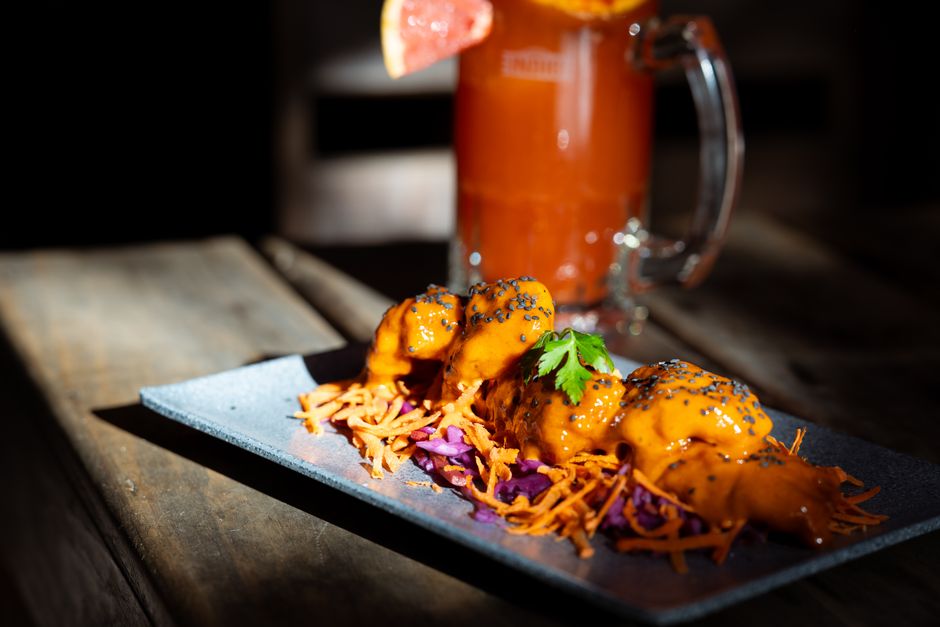
Not by themselves. A week of fruit, bread, and salads can leave you tired because you are missing enough protein, fat, and salt. Add beans, lentils, chickpeas, tofu, tempeh, nuts, seeds, or fortified plant milk each day. If you eat vegan long term, keep your normal B12 plan; a holiday is not a reason to stop a supplement. Drink water steadily rather than waiting until dinner.
What causes the most avoidable problems?
The biggest failures are trusting an old menu, ignoring summer closure days, accepting “vegetarian” as “vegan,” and eating cut produce that has sat warm for too long. Street food can be excellent, but choose busy stalls with fast turnover. With allergies, ask about shared grills, fryers, knives, and sauces. Do not buy a restaurant’s promise from a search result alone: menus and kitchens change, and Buenos Aires prices can move sharply between seasons.
What is the best five-day plant-based plan?
Use neighbourhoods instead of chasing one famous dish
Day one works well in Palermo: buy seasonal fruit, walk the parks, and have dinner at Casa Munay after confirming its opening hours. Day two can pair Recoleta with a simple lunch and an evening at Mudrá. Day three is for Belgrano, where Gordo Vegano gives you the most convincing vegan versions of familiar Argentine food. Day four belongs to San Telmo and Villa Crespo: choose falafel, hummus, empanadas, or a vegetable-heavy café meal, then keep dinner light. On day five, return to the restaurant that matched your appetite instead of forcing a new venue.
My final call
For strict vegan and gluten-free eating, choose Let It V and ask about current cross-contact controls. For classic comfort food, choose Gordo Vegano. For a slower dinner, choose Casa Munay; for a polished plant-based night, choose Mudrá. The winning strategy is not eating at the same type of restaurant every day. It is matching the meal to the weather, the neighbourhood, and your energy. I began with the advice to favor seasonal food over imitation products, and that is still the answer: eat cold fruit and vegetables at midday, save the ambitious dinner for the evening, and Buenos Aires becomes a remarkably easy city to feed yourself in summer.