
Most Denmark travel guides read like they were written by someone who spent three days in Copenhagen, ate at Noma, and left. I’ve spent months there across multiple trips, mostly eating vegetarian on a budget that would make a hostel backpacker wince. The country is expensive, yes. But the real problem isn’t the cost—it’s that most advice doesn’t prepare you for how Denmark actually works day to day.
Here’s what I wish someone had told me before my first trip.
The Rejsekort Trap: What Nobody Explains About Danish Transit
The Rejsekort (travel card) is the single most misunderstood thing for visitors. You tap in when you board a bus or train, tap out when you leave. Simple, right? Except the system charges you a 25 DKK (about $3.70) deposit every time you tap in. If you forget to tap out—and you will, at least once—you lose that deposit plus pay the maximum fare for that route.
When the Rejsekort Actually Saves Money
If you’re staying more than 3 days and using transit more than twice daily, get the anonymous Rejsekort. It costs 80 DKK upfront ($12), but fares drop by 20-30% compared to single tickets. A single two-zone ticket in Copenhagen costs 24 DKK. With Rejsekort, the same trip runs about 18 DKK. The math works if you’re moving around a lot.
When to Skip It Entirely
If you’re only in Copenhagen for a weekend and staying central, don’t bother. The city is walkable. Rent a bike instead. Donkey Republic bikes cost about 120 DKK per day ($18), but you can find local shops renting for half that. I’ve walked from Nørrebro to Christianshavn in 40 minutes. The metro only saves you time if you’re crossing the harbor repeatedly.
One more thing: the DSB app is better than the Rejsekort for regional trips. You can buy Orange tickets (advance purchase) for 40-60% off regular prices. Copenhagen to Aarhus costs 399 DKK regular, but Orange tickets drop to 150-200 DKK if you book a week ahead.
Vegetarian Food in Denmark: The Rugbrød Reality Check
Danish food is not vegetarian-friendly by default. The traditional smørrebrød (open sandwich) is built around herring, roast beef, and liver pâté. But here’s the thing: rugbrød—the dense rye bread that’s the foundation of every Danish meal—is vegan and costs about 20 DKK ($3) for a full loaf at any supermarket. It’s the single best budget food hack in the country.
What to Actually Buy at Netto
Netto, Rema 1000, and Fakta are the budget chains. My standard vegetarian haul for a day costs about 80-100 DKK ($12-15):
- Rugbrød loaf (20 DKK)
- Hummus tub (15 DKK)
- A bag of pre-washed spinach (12 DKK)
- Danish cheese like Havarti or Danbo (25 DKK)
- Cherry tomatoes (15 DKK)
- A box of oat milk (12 DKK)
That’s three meals. The same food at a café would cost 300+ DKK. The supermarket strategy isn’t glamorous, but it’s the difference between spending $20/day and $60/day on food.
Restaurant Picks That Won’t Disappoint
For actual restaurants, my picks are specific. Morgenstedet in Christiania serves vegetarian and vegan food for 80-120 DKK per plate—unheard of in Copenhagen. It’s been running since 1993 and hasn’t changed much. The lentil soup with bread is 85 DKK and filling.
Kaf in Nørrebro does vegan brunch for 145 DKK that includes rye bread, plant-based butter, hummus, and seasonal vegetables. It’s not cheap, but it’s the best value vegan brunch in the city. Skip Souls—it’s overpriced at 180+ DKK for portions that leave you hungry.
For smørrebrød, Hallernes Smørrebrød in Torvehallerne market has a vegetarian option with avocado, tomato, and pea purée for 65 DKK. It’s the only place I’ve found that doesn’t treat vegetarian smørrebrød as an afterthought.
The Too Good To Go Strategy That Works Every Time
If you don’t have the Too Good To Go app, download it before you land. It’s a Danish invention. Restaurants and bakeries sell surplus food at 70-80% off, usually 29-39 DKK ($4-6) for a bag that would normally cost 120-150 DKK.
The catch: you have to pick up at specific times, usually 30 minutes before closing. Bakeries are the best value. Lagkagehuset, the biggest bakery chain, puts out bags with 4-6 pastries and bread for 39 DKK. That’s breakfast for two days.
Vegetarian note: you can’t always guarantee vegetarian contents in mystery bags. Bakeries are safe. Restaurant bags are hit or miss. I’ve gotten bags from Wagamama that were entirely vegetarian, but I’ve also gotten bags from Italian places with meat lasagna. Stick to bakery bags if you’re strict.
Accommodation: Where You Sleep Determines Everything
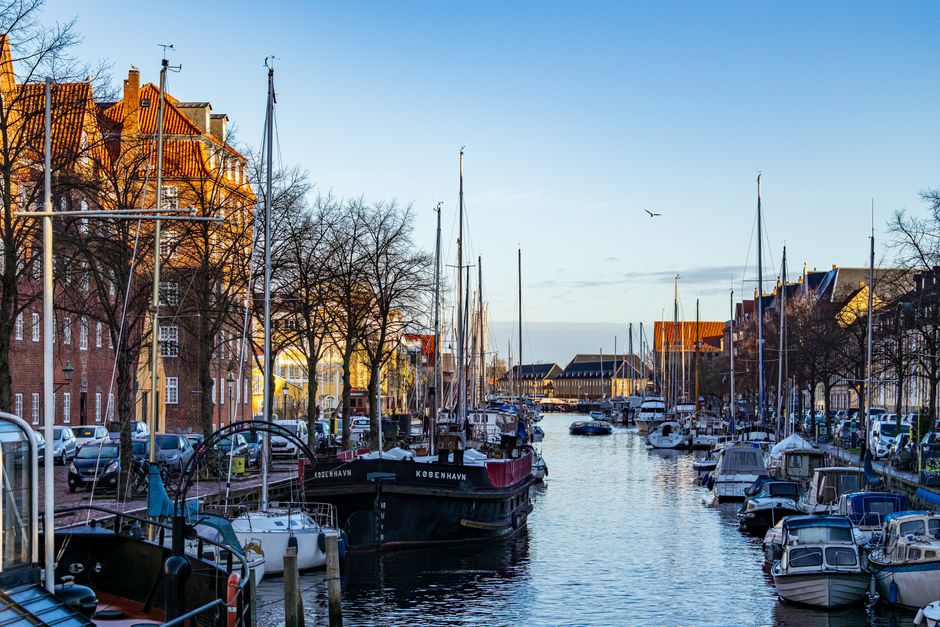
Here’s my blunt take: where you stay in Copenhagen matters more than what you do. The city is small, but neighborhoods have completely different characters and prices.
| Neighborhood | Vibe | Hostel Price/Night | Best For |
|---|---|---|---|
| Nørrebro | Multicultural, young, chaotic | 250-350 DKK ($37-52) | Budget travelers, street food lovers |
| Vesterbro | Former red-light, now hipster | 300-400 DKK ($45-60) | Nightlife, meatpacking district |
| Christianshavn | Canals, quiet, expensive | 350-500 DKK ($52-75) | Couples, photographers |
| Amager | Residential, boring but cheap | 200-280 DKK ($30-42) | Long stays, airport access |
My pick: Steel House Copenhagen in Vesterbro. Dorm beds run 250-300 DKK in shoulder season. It has a pool, gym, and kitchen. The kitchen alone saves you 100 DKK/day on food. Generator Copenhagen is bigger but feels like a factory—600 beds and the kitchen is always overcrowded.
For private rooms, Urban House near the central station does small doubles for 600-700 DKK ($90-105). That’s cheap for Copenhagen. The tradeoff: paper-thin walls and a party hostel atmosphere on weekends.
The Biking Mistake Every Tourist Makes
Yes, Copenhagen is a biking city. No, you should not rent a bike on day one and try to navigate like a local. Danish cyclists are fast, aggressive, and have zero patience for tourists wobbling in the bike lane. I’ve seen more near-misses than I can count.
If you do bike, learn the rules first:
- Always signal with your hand before turning or stopping. Danish cyclists will hit you if you stop suddenly.
- Stay in the right side of the bike lane. Pass on the left only.
- Never bike in the pedestrian zone. Fines are 1000 DKK ($150).
- Lock your bike. Bike theft is rampant. Use two locks.
The alternative: walk. Copenhagen is only 8 km across. Most tourist sites cluster within a 3 km radius. Walking from Nyhavn to the Little Mermaid takes 20 minutes. You don’t need a bike unless you’re staying in Amager or going to Christiania.
What First-Time Visitors Get Wrong About Danish Culture
Danes are not rude. They’re efficient. There’s a difference, and understanding it will make your trip better.
Why Nobody Says “Excuse Me”
In Denmark, apologizing for existing in public space is not a thing. If a Dane bumps into you, they won’t say sorry. It’s not hostility—it’s just that small talk and social niceties are seen as inefficient. A cashier won’t ask how your day is going. A waiter won’t check on you every five minutes. This feels cold to Americans and Brits, but it’s actually a form of respect: they’re not wasting your time.
The Janteloven Effect
Janteloven—the unwritten law of humility—means Danes don’t brag. They don’t flaunt wealth. They don’t talk loudly in restaurants. If you’re used to American-style enthusiasm, you’ll need to dial it down. Not because Danes will be offended, but because loud enthusiasm marks you as a tourist instantly.
This matters practically: when asking for help, be direct and specific. Don’t say “I was wondering if maybe you could possibly help me.” Say “Where is the metro?” You’ll get a better answer faster.
Budget Breakdown: What Denmark Actually Costs in 2026
Let me give you real numbers. This is what I spent per day on my last trip, staying in hostels and cooking half my meals:
- Hostel dorm bed: 280 DKK ($42)
- Supermarket food: 90 DKK ($13)
- One café meal or restaurant: 120 DKK ($18)
- Transit (walking + occasional bus): 30 DKK ($4.50)
- Coffee (one, because Danish coffee is expensive): 45 DKK ($6.75)
- Museum entry or activity: 80 DKK ($12)
Total: 645 DKK ($96) per day. That’s a realistic budget traveler number. Not backpacker-cheap, not mid-range. If you eat every meal out, add 200 DKK. If you cook everything, subtract 100 DKK.
The single biggest budget killer is alcohol. A beer at a bar costs 50-70 DKK ($7.50-10.50). A bottle of wine at a restaurant: 300+ DKK. Buy from supermarkets if you want to drink. A six-pack of Tuborg at Netto is 45 DKK.
Denmark is expensive, but it’s expensive in predictable ways. Food, alcohol, and accommodation are the three categories that drain budgets. Transit is reasonable. Museums are reasonable. Nature is free. The vegetarian angle doesn’t make it harder—it actually makes it cheaper if you lean on rugbrød and supermarket hauls.
What’s changing in 2026: Copenhagen’s tourism board keeps pushing the “CopenPay” green rewards program, where you earn free museum entries and meals for biking or picking up trash. It’s genuinely useful. I got a free vegetarian lunch at a café in Nørrebro just for showing a photo of myself on a rented bike. The program is expanding, and it’s worth checking what’s offered when you visit.
The honest takeaway: Denmark rewards preparation. The people who hate it are the ones who show up expecting Paris-level café culture at Berlin prices. The people who love it are the ones who learn the systems—Rejsekort, Too Good To Go, rugbrød breakfasts—and work them. The country won’t adapt to you. You adapt to it, and that’s exactly what makes it worth the trip.