
About 85% of Mexico City’s annual rain falls from June through early October, so early spring offers a useful window for eating outside: bright mornings, warm afternoons, cooler evenings, and fewer weather interruptions. The city also welcomes jacaranda blooms from February into early April. For vegetarian travellers, March and early April are especially good because markets are lively, tacos are easy to adapt, and three very different neighbourhoods can fit into one food-focused weekend.
Why early spring works for vegetarian eating in Mexico City
Warm afternoons, cool evenings
Mexico City sits high above sea level, so the sun can feel strong even when the air feels mild. Pack sunscreen, a hat, and one light layer. Early spring mornings may start cool, then turn warm enough for a market walk by late morning. This rhythm suits vegetarian eating because you can begin with fruit, atole, or beans, spend the hottest part of the day in a shaded neighbourhood, and finish with tacos after sunset.
The city’s official travel guidance describes March to May as a pleasant season, with warm afternoons and cooler evenings. Check the current seasonal guidance from Mexico City before booking a long outdoor food crawl, especially if your visit overlaps with Semana Santa.
What the season changes on the plate
Early spring brings bright herbs, leafy greens, young squash, mushrooms, nopales, fava beans, and fresh fruit into public markets. Not every ingredient appears on every stall, and vendors do not always label produce by variety, but the overall selection feels fresher than a restaurant menu built around imported substitutes. The best spring strategy is simple: eat one meal built around market produce, one meal built around corn and beans, and one meal at a dedicated vegetarian or vegan taquería.
Verdict: Visit in early spring if you want Mexico City’s strongest combination of comfortable walking weather, colourful markets, and flexible vegetarian street food.
What to look for in Mexico City markets
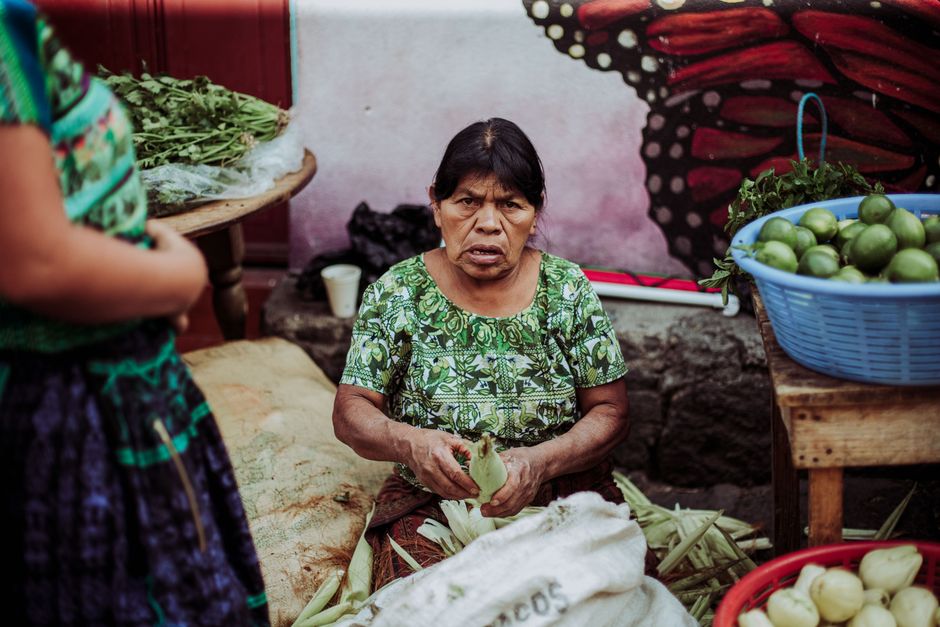
Build a market meal from five local staples
- Nopales: Order them grilled, stewed, or folded into a quesadilla. Their slight tang works well with onion and salsa.
- Huitlacoche: This corn fungus has an earthy, almost mushroom-like flavour. Try it in a quesadilla when a stall offers it.
- Flor de calabaza: Squash blossoms usually appear in quesadillas, soups, or light stews. Ask if the filling contains lard.
- Tlacoyos: These oval masa cakes often contain beans or fava beans and come with nopales, cheese, and salsa.
- Fresh fruit: Mango, papaya, guava, and pineapple make a useful breakfast or palate cleanser after spicy food.
- Aguas frescas: Jamaica, limón, and horchata are common. Ask if the drink contains dairy when ordering horchata.
How to choose a stall
Look for a busy counter with a quick turnover, visible cooking, and ingredients that stay hot. A crowded stall does not guarantee perfect hygiene, but it usually means food spends less time sitting at room temperature. Bring small bills, carry hand sanitizer, and keep one meal flexible rather than planning every dish in advance. The official Coyoacán market listing gives the market address and weekday hours, but individual food stalls can open or close on different schedules.
Market prices vary by stall and season. A tlacoyo or quesadilla often lands around MX$35–70, fruit around MX$30–60, and a filling market meal around MX$80–150. Treat those figures as a planning range, not a fixed tariff.
Coyoacán, Roma Norte, or Centro: which neighbourhood wins?
Choose Coyoacán for atmosphere, Roma Norte for reliable vegetarian choice, and Centro for the broadest market texture. The three neighbourhoods serve different purposes, so forcing them into one ranking misses the point. Coyoacán is the best first stop for a relaxed market-and-plaza day. Roma Norte is the easiest base for dedicated vegan tacos and modern vegetarian cooking. Centro gives you the strongest contrast between historic streets, large markets, and inexpensive masa-based food.
| Neighbourhood | Best for | Typical food budget | Trade-off |
|---|---|---|---|
| Coyoacán | Mercado de Coyoacán, tostadas, tlacoyos, plazas | MX$80–180 per person | Farther south; allow travel time |
| Roma Norte and Condesa | Dedicated vegan taquerías, cafés, creative vegetarian menus | MX$150–350 per person | Higher prices and more tourist demand |
| Centro Histórico and La Merced | Traditional markets, masa dishes, fruit, beans, chiles | MX$60–160 per person | Busier streets and a faster pace |
The strongest base for a short visit
For a two- or three-day trip, Roma Norte wins because you can walk to several food options and still reach Coyoacán or Centro by public transport. Por Siempre Vegana Taquería is a useful fixed point for vegan tacos; its listed menu has included MX$35 individual tacos and MX$140 for five. Prices and opening hours can change, so check on the day. The official Roma and Condesa guide is useful for combining food with parks, galleries, and short walks.
How to order vegetarian tacos without a surprise
What does vegetariano mean at a taco stand?
Say Soy vegetariano or Soy vegetariana, then add sin carne ni pollo, por favor. If you eat dairy and eggs, say so clearly: Como queso y huevo. Ask about the cooking fat with ¿Lleva manteca? because beans, potatoes, and quesadillas may cook on a surface shared with pork fat. A simple order works best: Un taco de nopales sin manteca, por favor.
Are beans, rice, and mole always safe?
No. Beans may contain lard, rice may use chicken stock, and mole can include animal stock even when the visible ingredients look plant-based. Ask ¿Tiene caldo de pollo? for soups, rice, and sauces. At a market, point to the ingredient you want and ask the cook to confirm the broth or fat. This takes less time than trying to explain a full dietary philosophy.
How should strict vegetarians handle shared griddles?
Ask if the quesadilla or taco can cook on a clean section. A dedicated vegan place gives the clearest answer, while a busy street stand may not have separate tools. For strict diets, choose fruit, grilled corn, plain tortillas, nopales, and clearly labeled vegan meals when the kitchen cannot explain its ingredients. The winning phrase is specific, not loud: name the ingredient you avoid and ask about the cooking fat.
A two-day vegetarian food route that actually works
Day one: Coyoacán and the southern neighbourhoods
- 9:30 a.m.: Start at Mercado de Coyoacán before the lunch rush. Have fruit, coffee, or a light masa breakfast, then walk through the produce aisles.
- 11:00 a.m.: Order one tlacoyo with beans or fava beans, plus nopales and salsa. Split a quesadilla so you can sample a second filling.
- 1:00 p.m.: Walk through the Coyoacán plazas and take a break before ordering tostadas. Ask about lard in the beans and sauces.
- 4:00 p.m.: Leave room for an agua de jamaica, esquite, or fresh fruit rather than adding a heavy meal.
- 7:30 p.m.: Eat dinner near your accommodation. Keep this meal simple: tacos, beans, mushrooms, or a vegan torta.
Day two: Roma Norte and Centro
- 10:00 a.m.: Walk Roma Norte before the heat builds. Choose a dedicated vegan breakfast or a café with a clearly marked vegetarian menu.
- 12:30 p.m.: Try Por Siempre Vegana Taquería or another plant-based taquería. A five-taco order listed around MX$140 gives a practical budget marker.
- 3:00 p.m.: Move toward Centro and browse Mercado de San Juan or nearby produce stalls, then walk toward the Zócalo.
- 6:30 p.m.: Finish with a bean, mushroom, or cactus taco. The Metro’s standard single fare is listed at MX$5, but check service notices before relying on one route.
This route works because it limits cross-city backtracking. Keep at least 45 minutes between neighbourhoods, and use a taxi or rideshare when rain, traffic, or fatigue makes the Metro less practical.
Where should a vegetarian traveller stay?
Pick Roma Norte for the easiest food access
Roma Norte is the best overall base for a first vegetarian trip. You can walk to cafés, vegan taquerías, bakeries, and restaurants with clear menus, then reach Centro or Coyoacán without treating every meal as a major expedition. The trade-off is price: rooms, drinks, and restaurant checks usually cost more than in less visitor-focused districts. For a short visit, that premium buys flexibility.
Pick Coyoacán for a slower market weekend
Coyoacán wins if the trip is built around wandering rather than restaurant density. Its market, plazas, museums, and tree-lined streets make a satisfying day even when one food stall disappoints. Stay there if you value space and atmosphere, but expect longer rides to Roma Norte and Centro. Centro is the right choice for travellers who want history and market variety, provided they can handle crowds and keep valuables secure in busy areas.
The compressed verdict is clear: stay in Roma Norte, spend one full morning in Coyoacán, and reserve Centro for a deliberate market walk. Early spring will keep the routes comfortable, while the city’s vegetarian scene continues moving beyond imitation meat toward mushrooms, corn, beans, cactus, flowers, and regional produce. That shift makes the next visit promising even for travellers who already know the classic taco crawl.