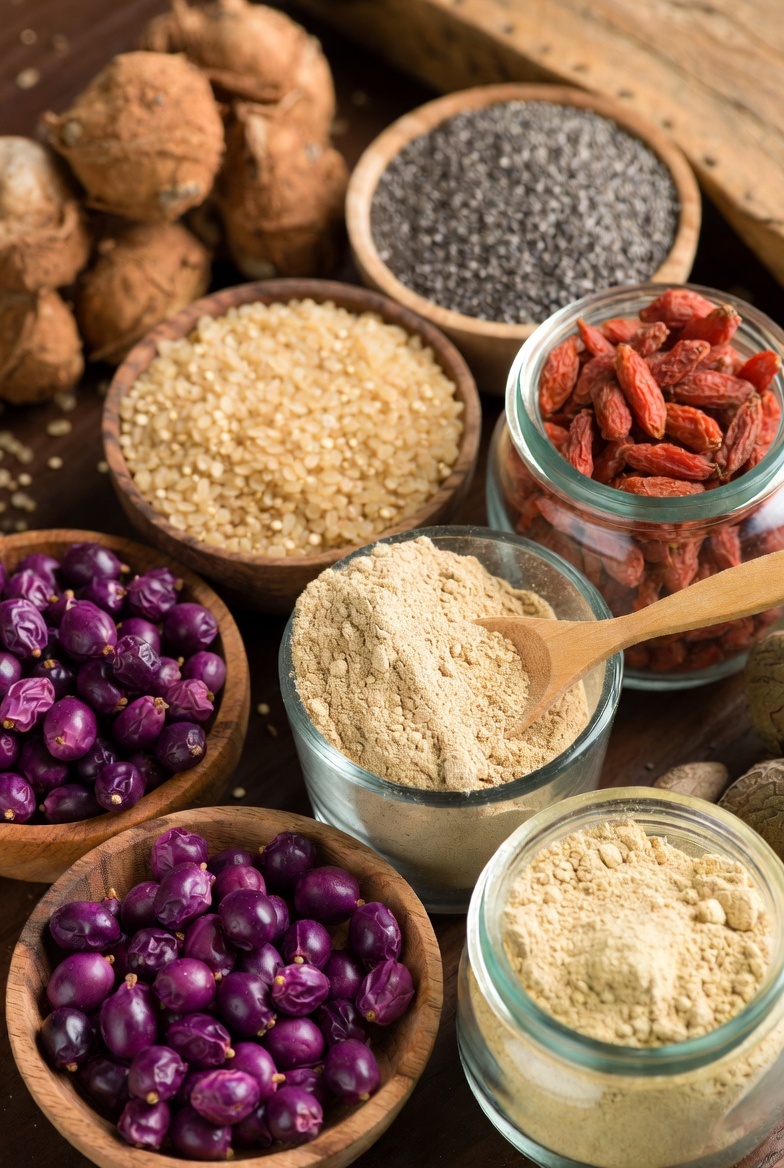
Local South American Trail Superfoods You Must Discover
Why South American Trails Are a Superfood Treasure Chest
South American trails are more than just breathtaking paths—they’re nature’s own pantry packed with local superfoods you won’t find anywhere else. What makes these trails such a treasure chest? It’s all about the unique geography. From soaring high-altitude superfoods in the Andes to nutrient-packed fruits growing wild in the Amazon rainforest, this continent’s diverse landscapes create perfect conditions for exceptional plants.
Take the Andes, for instance: rugged mountain peaks, crisp air, and rich volcanic soils combine to nurture some of the world’s most nutrient-dense crops. These highlands provide a natural laboratory where ancient Inca superfoods like maca root and ulluco have thrived for centuries. Up in these altitudes, the climate creates tough-growing plants packed with vitamins and minerals, ideal for anyone looking to boost their nutrition naturally.
Then there’s the Amazon Basin, home to lush rainforests bursting with exotic Amazonian fruits and seeds. The warm, humid environment and fertile soils produce uniquely nutrient-rich crops—think cacao pods and protein-rich amazonia seeds—that fuel indigenous communities and adventurous hikers alike.
Even the volcanic soils scattered across South America enrich the land with minerals that boost the nutritional profiles of native plants. These soils help create patagonian wild foods and other off-the-grid superfoods that thrive in untouched ecosystems.
In essence, the intersection of altitude, rainforests, and volcanic terrain gives South American trails their status as a superfood treasure chest. Each step reveals healthy, vibrant foods shaped by centuries of nature’s perfect balance—ready for us to discover along the way.
What Makes a South American Trail Superfood?
South American trail superfoods stand out because of their incredible nutrient density and deep roots in indigenous traditions. Many of these foods have been used for centuries by Andean, Amazonian, and Patagonian communities, valued not just for energy but for overall health. Their nutritional profiles are rich in vitamins, minerals, antioxidants, and proteins, making them perfect for sustaining hikers on demanding routes.
What also makes these superfoods unique is their exclusivity. Many grow only along specific trails or in remote regions, such as high-altitude Andean slopes or the deep Amazon rainforest. They often have minimal commercial cultivation, so you’re unlikely to find them in regular markets outside South America. This rarity adds to their allure as true off-the-grid superfoods.
Because they grow in challenging environments—altitude, volcanic soils, or dense forests—they tend to be packed with nutrients as a natural adaptation. That’s why traditional South American nutrition relies heavily on these indigenous superfoods, combining practical sustenance with healing qualities. If you’re hiking South American trails, spotting these nutrient-rich gems is part of the adventure.
For more insight into native ingredients used across South America, explore this detailed guide to vegetarian ingredients in South American markets.
Superfood Regions Covered Along South American Trails
South America’s trails span some of the most nutrient-rich environments, each offering unique superfoods native to their region. In the Andes, stretching through Bolivia, Ecuador, Northern Chile, and Argentina, you\’ll find high-altitude superfoods like maca root and ulluco tubers that thrive in volcanic soils and cold climates. These areas are rich in Andean superfoods cultivated and foraged by local communities for centuries.
The Amazon Basin—covering parts of Brazil, Ecuador, and Colombia—hosts a wealth of Amazonian fruits and protein-packed seeds such as wild cacao and amazon cousa. This rainforest region provides exotic South American ingredients that are largely wild-harvested and deeply integrated into traditional diets.
Down south, Patagonia and Tierra del Fuego offer a different kind of bounty. The wild berries and native plants here are powerful nutrient sources found only along their rugged trails. These Patagonian wild foods are less commercialized and hold a special place in local foraging culture.
Additionally, the misty cloud forests scattered across these regions supply yet another layer of superfoods, emphasizing the importance of local sourcing. These forests support many native super berries and plants that are less known outside South America but pack incredible nutritional value.
For anyone exploring these trails, understanding the diversity of superfood origins—from the towering Andes to the lush Amazon and the windswept Patagonian expanse—is key to appreciating their value and rarity. If you plan to explore Ecuador’s vibrant ecosystems, check out this guide on traveling to Ecuador for insight into its local superfoods and hiking experiences.
Local Superfoods You’ll Only Find on South American Trails
South American trails are home to a variety of local superfoods that you won’t find anywhere else. Along the Patagonian routes, wild berries like calafate and maqui offer a burst of antioxidants and unique flavors, perfect for quick trail snacks. Moving north to the iconic Inca Trail, nutrient-packed superfoods such as maca root and ulluco tubers have been staples for centuries, prized for their energy-boosting and restorative properties.
In the lush Amazon Basin, protein-rich seeds like cacao and the lesser-known Amazon cousa provide essential nutrients that have fueled indigenous communities for generations. High-altitude trails in the Andes reveal nutrient-dense pods and plants specially adapted to the harsh environment, offering vital vitamins and minerals that support sustained endurance.
These superfoods aren’t just rare—they’re linked deeply to traditional South American nutrition and indigenous knowledge, keeping their value both cultural and nutritional. For more insight into native ingredients and their uses, exploring traditional South American plant-based drinks can provide a great introduction to how these superfoods translate into everyday nutrition on the trails.
How to Forage and Enjoy South American Trail Superfoods
Foraging South American trail superfoods is a rewarding way to connect with nature and enjoy native nutrition. When you hit the trails, keep an eye out for native South American berries like wild Patagonian fruits—they’re often sweet, tangy, and perfect for quick energy. Along the Andes, you might find nutrient-dense maca root and ulluco tubers, which have earthy flavors that work well cooked or roasted on the trail.
Taste Profiles and Trail Snack Ideas
Patagonian berries: sweet, tart, great fresh or dried for trail snacks.
Maca root: nutty and slightly butterscotch-like, ideal roasted or powdered into drinks.
Amazonian protein seeds like cacao: bitter and chocolatey, often eaten raw or roasted.
Basic Plant Identification and Ethical Foraging
Learn to identify plants with high-altitude superfoods characteristics—look for specific leaf shapes, color, and local guidance.
Always forage sustainably: harvest small amounts, avoid disturbing root systems, and stick to areas that aren’t protected.
Respect indigenous knowledge—these superfoods have been sustainably used for centuries.
Traditional Preparation and Consumption
Many superfoods require simple processing: peel tubers, dry berries, or roast seeds.
Maca is often ground into powder and added to drinks or energy bars.
Coca leaves, traditionally chewed or brewed as tea, are well-known for helping with altitude sickness relief by boosting oxygen levels and easing tiredness.
By combining these superfoods in easy trail snacks, you can enjoy authentic traditional South American nutrition and keep your energy up while exploring the incredible biodiversity of the region. For those planning South American hiking adventures, integrating local superfoods into your journey makes every step more flavorful and sustainable. For more about native ingredients and regional experiences, check out this guide on must-try South American foods.
Cultural & Historical Significance of Superfoods on South American Trails
South American trail superfoods have deep roots in the diets and cultures of Indigenous peoples like the Inca, Aymara, and Amazonian communities. These superfoods—such as maca root, native South American berries, and protein-rich Amazonian seeds—were vital for survival in high-altitude and rainforest environments. They provided essential nutrients that supported strength, endurance, and resilience against harsh climates and limited resources.
During colonization, many traditional food sources were threatened, but local communities adapted by preserving these indigenous superfoods in their daily meals and rituals. Today, this heritage is experiencing a renaissance as modern chefs and nutritionists rediscover the unique health benefits of these exotic South American ingredients.
Nutritionally, many Andean superfoods and Amazon rainforest superfoods compare favorably to popular global superfoods. For example, maca root offers energy and hormone balance, while amazonian fruits provide antioxidants far beyond common berries. This blend of tradition, culture, and health benefits highlights why these native super berries and nutrient-dense plants remain crucial in traditional South American nutrition.
For those interested in how indigenous diets have transformed and thrived, exploring local trail superfoods offers a fascinating window into both survival and culinary heritage, much like the evolving vegetarian and plant-based foods highlighted in the region’s culinary scene. Discover more about this evolution in vegetarian lifestyles in South America through a detailed look at the shift from street food to home kitchens.
Patagonian Trail Ways to Enjoy Superfoods
Patagonia offers a unique variety of wild foods, especially native South American berries that pack a nutritional punch. These Patagonian wild foods are perfect for trail-friendly recipes and quick snacks during long hikes. For example, you can mix dried berries with nuts and seeds to create a lightweight, nutrient-rich trail mix that fuels your energy without weighing you down.
At home, recreating dishes with dried superfoods from Patagonia is simple. Powdered berries can be added to smoothies, yogurts, or homemade granola bars, bringing a taste of the trail to your kitchen. Dried wild fruits also make excellent toppings for oatmeal or salads, extending the benefits of exotic South American ingredients beyond your hike.
For hikers, carrying these lightweight superfoods is a smart choice. They provide vital nutrients and antioxidants, helping maintain stamina and vitality on demanding routes. Whether you’re trekking through the windswept plains or rugged mountain paths, packing Patagonian superfoods supports both your health and your hiking goals.
Responsible Travel and Ethical Foraging Tips
When exploring South American trails and enjoying local superfoods, it’s crucial to travel responsibly and forage ethically. Supporting local communities by purchasing indigenous superfoods directly from small farmers or cooperatives helps sustain traditional livelihoods and preserves native South American berries, Andean superfoods, and Amazonian fruits for generations to come.
Sustainable harvesting practices are equally important. Only collect what you need, avoid uprooting entire plants, and never disturb protected species or fragile habitats. Many native super berries and high-altitude superfoods grow in sensitive ecosystems, so respecting these environments keeps them thriving.
To minimize your impact:
Stick to established trails to avoid trampling vegetation.
Use minimal-impact harvesting techniques like picking fruits by hand rather than cutting branches.
Follow local regulations and seek permission when necessary to forage in protected areas.
By practicing ethical foraging and responsible travel, you help maintain the rich biodiversity of South America\’s trails and contribute to the ongoing revival of indigenous superfoods in Latin America. This care ensures you’ll keep discovering exclusive, off-the-grid superfoods safely and sustainably on your next hike.
How to Spot and Avoid Harmful Superfood Tourism Practices
When exploring South American trails for native super berries, Andean superfoods, or any exotic South American ingredients, it’s important to avoid contributing to harmful tourism practices. Overharvesting can deplete wild populations of Patagonian wild foods and endangered high-altitude superfoods, putting local ecosystems at risk.
Here’s how to be responsible:
Recognize overharvesting signs: If an area looks stripped of plants or fruits you expect to find, or locals report shortages, these may be red flags.
Respect local regulations: Many regions, especially protected areas in the Amazon rainforest or Andes, have strict rules about foraging. Always check with indigenous communities or park authorities before collecting any wild foods.
Follow simple ethical foraging rules:
Take only small amounts without uprooting entire plants.
Avoid harvesting during critical growing or breeding seasons.
Stick to well-established trails to minimize ecosystem damage.
Support sustainable harvesting by purchasing from local, indigenous vendors when possible.
By practicing these guidelines, you’ll help preserve these valuable off-the-grid superfoods and show respect for traditional South American nutrition and indigenous superfoods Latin America communities. This approach not only protects the environment but also enriches your hiking experience with authentic, responsible interaction.
For more insight on respectful and sustainable travel habits, check out the advice on vegetarian-friendly travel options that emphasize local and ethical consumption.
Trail Health Benefits and Safety Tips
When foraging superfoods from the Andes and other South American trails, safety and knowledge go hand in hand. Knowing the seasonal availability and which parts of the plant are safe to eat is essential to enjoying these native super berries and high-altitude superfoods without risk.
Seasonal Availability & Safe Plant Parts
Superfood
Best Season
Safe Parts to Eat
Notes
Maca Root (Andes)
Harvested fall
Root
Avoid raw, usually cooked
Patagonian Berries
Summer (Dec-Feb)
Fully ripe berries
Unripe fruit can be harsh
Amazonian Cacao Seeds
Year-round
Seeds
Remove shells before eating
Coca Leaves
Year-round
Mature leaves
Used for altitude sickness, chew moderately
Ulluco Tubers
Fall
Tubers
Cook before consumption
Basic Safety and Hygiene Tips
Always wash any foraged food with fresh water if possible.
Avoid plants growing near polluted areas or trailside contamination.
Learn plant identification thoroughly to prevent mistaking toxic species for edible ones.
Do not consume large quantities immediately—test small amounts to check for adverse reactions.
Respect local guidelines and protected areas to ensure sustainable harvesting.
Health Benefits on the Trail
Many native super berries and Andean superfoods provide antioxidants, vitamins, and energy boosts vital for long hikes. For example:
Maca Root supports stamina at high altitudes.
Coca leaves help reduce altitude sickness symptoms.
Patagonian wild foods offer essential minerals and hydration.
Share Your Experiences
Discovering off-the-grid superfoods can be a personal journey. Share your trail stories and findings with local communities or online forums focused on indigenous superfoods Latin America. This helps preserve traditional knowledge and encourages responsible foraging.
By combining careful identification, respect for nature, and understanding the powerful nutrition of trail superfoods South America offers, your hiking experience becomes healthier and more rewarding. For more on sustainable travel and local food practices, check out resources on responsible ecotourism and plant-based meals in nearby regions to deepen your appreciation.