
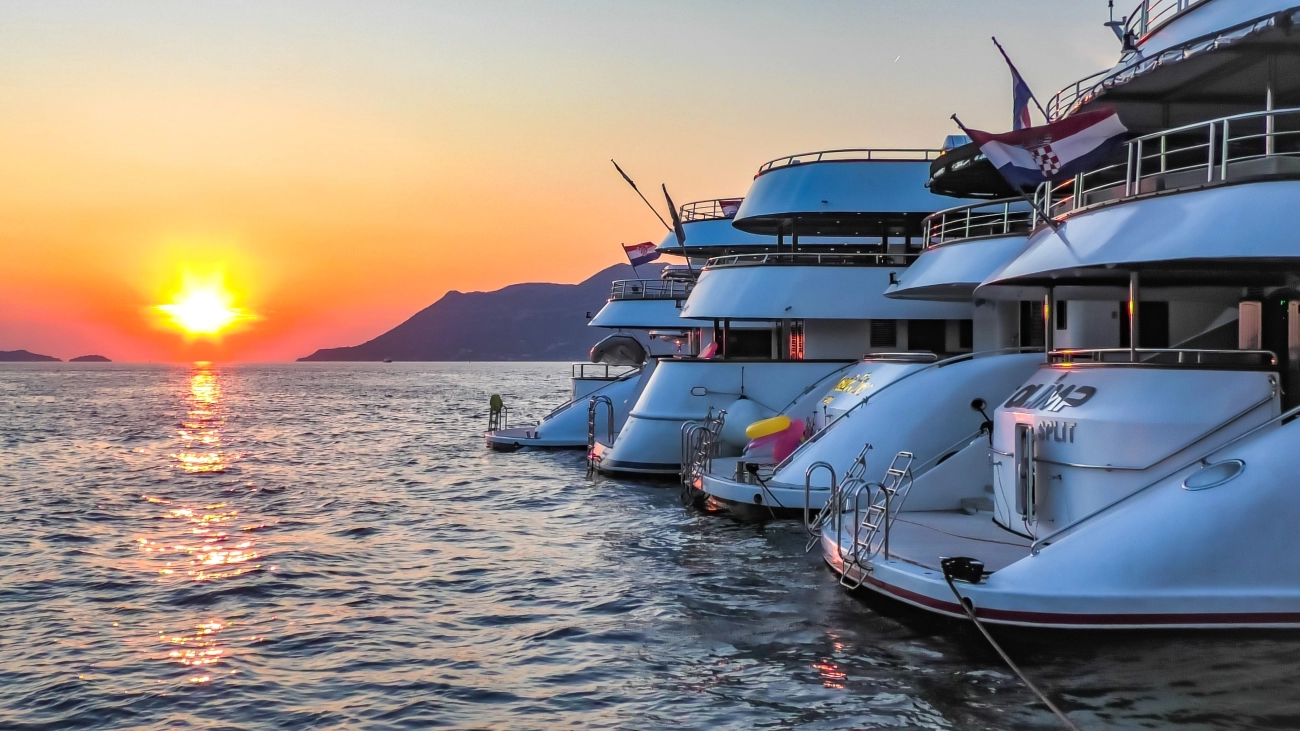
If you’re dreaming of island hopping in Croatia, you’re in for a treat—this is the ultimate way to uncover the stunning Adriatic beyond the tourist crowds. But rather than sticking to the usual spots, why not explore locals’ recommended routes that reveal hidden bays, quiet villages, and authentic flavors? From the pine-scented shores of Vis to the vineyards of Hvar Stari Grad, this guide will help you plan an unforgettable trip, complete with insider tips on public ferries, seasonal rhythms, and genuine experiences. Ready to discover the real Dalmatian islands itinerary? Let’s dive in!
Planning Your Island Hopping Adventure
Getting ready for island hopping in Croatia means choosing the right starting point, transport, and packing smart. Whether you kick off from Split or Dubrovnik, each has its charm and practical perks.
Split vs. Dubrovnik: Starting Points Compared
- Split: Larger ferry hub with more frequent Jadrolinija ferries to islands like Brač, Hvar, and Vis. Great for accessing the central Dalmatian islands and has a lively old town vibe.
- Dubrovnik: Perfect if you want to explore southern islands like Mljet and Korčula. Fewer ferry options mean a more relaxed pace, but also longer distances and sometimes pricier fares.
Transportation: Public Ferries vs. Private Charters
- Public ferries:
- Operators like Jadrolinija, Krilo, and TP Line cover most routes efficiently and affordably.
- Ideal for a budget-friendly Dalmatian islands itinerary with regular schedules and opportunities for spontaneous trips.
- Private charters:
- More flexibility, personalized routes, and access to hidden gems off the beaten path.
- Great if you’re after privacy, unique stops, or want to customize your island hopping experience.
Booking Tips and Budget Considerations
- Book Jadrolinija and Krilo ferries online in advance during the high season to secure seats.
- Shoulder season travel offers cheaper fares and less crowded ferries.
- Factor in extra costs like local transfers, entrance fees for National Parks (like Mljet National Park), and private tours.
Packing Essentials and Sustainable Travel Tips
- Pack light: breathable clothes, swimwear, good walking shoes for hiking and exploring villages.
- Bring a refillable water bottle and reusable bags to reduce plastic waste.
- Support local by choosing family-run agrotourism spots and konoba restaurants serving regional wines and fresh olive oils.
- Respect island nature by sticking to marked trails and avoiding single-use plastics wherever possible.
Starting your journey with these practical tips ensures smooth sailing through Croatia’s stunning islands—from the clear waters around Brač’s Zlatni Rat to the serene Mljet lakes.
Top Local-Recommended Islands
When island hopping in Croatia, locals often point to these must-visit spots for their unique charm and authentic experiences.
Brač is famous for Zlatni Rat beach—one of Croatia’s most iconic stretches of sand—and offers excellent olive oil tastings. For a quieter vibe, villages like Milna provide a peaceful escape from the crowds.
Hvar is best known not just for its nightlife but for the Stari Grad plains, a UNESCO World Heritage site, with sprawling vineyards that give a glimpse into Croatia’s rich agricultural traditions.
Vis remains one of the most remote Dalmatian islands. Its Blue Cave is a natural wonder, and fishing villages like Komiža keep the island’s laid-back spirit alive, perfect for travelers seeking authenticity.
Korčula enchants visitors with its medieval old town, where you can sample local wines such as Pošip and soak in the Marco Polo heritage that shapes much of the island’s identity.
Mljet is a nature lover’s dream with its National Park lakes, abundant hiking trails, and serene surroundings, offering a tranquil escape from busy tourist hubs.
For those looking beyond the main routes, hidden local favorites include Šolta with its fragrant olive groves, Lastovo known for exceptional stargazing far from light pollution, and the Elafiti Islands—notably the car-free Lopud and Šipan—offering peaceful, traditional island life.
These islands provide the perfect mix for any Dalmatian islands itinerary, catering to lovers of nature, history, and authentic Croatian culture while staying off the beaten path.
Locals’ Favorite Island Hopping Routes
When it comes to island hopping in Croatia, locals swear by a few classic routes that showcase the best of the Dalmatian islands itinerary, mixing stunning views, cultural gems, and delicious food.
Classic 7-Day Dalmatian Route: Split to Dubrovnik
Start in Split and make your way down to Dubrovnik, hitting must-see islands like Brač with its iconic Zlatni Rat beach, Hvar’s UNESCO Stari Grad plains, and Korčula’s medieval old town. Ferries like Jadrolinija and Krilo provide regular daily connections, which makes planning easy. Along the way, enjoy local eats from konoba restaurants and sample regional wines to get the authentic Croatian island vibe.
10-Day Authentic Explorer Route: Dubrovnik to Split
For those wanting a deeper dive into authentic Croatia travel, this route goes from Dubrovnik northwards, focusing on off-peak swimming spots and family-run agroturizam stays. You’ll find quieter island gems like Lastovo for stargazing or Elafiti’s car-free Lopud and Šipan, where nature and tradition come first. This slower pace lets you avoid crowds and fully immerse yourself in local life.
5-Day Northern Dalmatia Escape from Zadar
If you prefer a nature-focused route with less tourist buzz, start in Zadar and explore the peaceful islands of Northern Dalmatia. This escape highlights serene waters, hidden coves, and quieter villages perfect for hiking and cycling. It’s a great way to experience the Adriatic’s beauty while steering clear of the busier southern hotspots.
Customizing Routes with Side Trips
No matter your main itinerary, locals recommend adding side trips like a day sail to the Pakleni Islands near Hvar. These islands boast hidden beaches and crystal-clear waters ideal for snorkeling or relaxing away from the crowds. Tailoring your route with such side trips gives flexibility and fresh experiences on every island hopping adventure.
For planning detailed ferry times and insider dining tips on these routes, checking updated Croatian ferry routes and seasonal schedules can save you headaches and optimize your time on each island.
Local Tips for an Authentic Experience
When island hopping in Croatia, embracing local customs enhances your trip. Start with food and wine: seek out traditional konobas (family-run taverns) where you can try hearty dishes like peka—meat and vegetables slow-cooked under a bell-shaped lid. Pair your meal with regional wines such as Pošip from Korčula or Plavac Mali from Hvar. Don’t miss olive oil tastings on islands like Brač and Šolta, perfect for savoring authentic Dalmatian flavors.
To avoid crowds, plan beach visits early in the morning or at sunset when the atmosphere is peaceful. Venture inland to smaller villages where life moves slower, and try traveling during the shoulder season (May-June or September-October) for fewer tourists and better prices. These quieter moments reveal the heart of the islands beyond the busy hotspots.
For activities, explore Croatia\’s stunning nature with hiking in Mljet National Park, cycling around car-free islands like the Elafiti Islands, or snorkeling in hidden coves around Vis. These outdoor adventures offer unforgettable views and a chance to connect with the Adriatic’s wild side.
Cultural experiences are just as rich. Check out local festivals or the famous sword dances on Korčula. Engage with residents in markets or family-run guesthouses to hear stories that bring the islands’ heritage alive.
Common pitfalls to avoid: don’t overpack—space is limited on ferries and small boats, and bulky luggage can be a hassle. Keep an eye on Croatia ferry routes and schedules, especially for operators like Jadrolinija, to avoid missing connections and wasting precious travel time.
For a smooth, authentic journey blending culture, nature, and gastronomy, these local tips will guide you to the heart of Croatia’s best islands.
Practical Ferry and Logistics Guide
When planning island hopping in Croatia, knowing your ferry options and logistics is key. The top ferry operators servicing the Dalmatian islands are Jadrolinija, Krilo, and TP Line. Jadrolinija is the largest, running frequent routes connecting major hubs like Split, Dubrovnik, and smaller islands including Brač, Hvar, and Korčula. Krilo and TP Line focus more on faster catamarans ideal for shorter hops.
Key Ferry Operators and Routes
| Operator | Main Routes | Speed | Notes |
|---|---|---|---|
| Jadrolinija | Split–Hvar–Vis, Dubrovnik–Korčula | Regular | Largest network, includes car ferries |
| Krilo | Split–Hvar–Korčula, Dubrovnik–Mljet | Fast | Catamarans, no cars |
| TP Line | Dubrovnik–Elafiti, Split–Šolta | Medium | Serves smaller islands |
Seasonal Schedule Changes
Ferry schedules shift notably between peak (June–September) and off-season months. Summer offers daily services with increased frequency. Outside this, expect reduced trips, especially on less-visited routes like Vis or Lastovo. Always check operators’ websites in advance to confirm times and availability.
Traveling With or Without a Car
- With a car: Jadrolinija is the main choice if you want to bring a vehicle. Not all ferries allow cars, especially faster catamarans, so plan accordingly.
- Without a car: Catamarans by Krilo and TP Line make island hopping simple and quick. Many islands have local transport or bike rentals, ideal for exploring once you arrive.
Understanding these logistics helps avoid surprises and ensures you enjoy a smooth island hopping experience from Split to Dubrovnik. For a detailed look, keep handy a ferry timetable and book tickets early during peak season. This practical approach also supports sustainable travel by optimizing trips and reducing waiting times.