
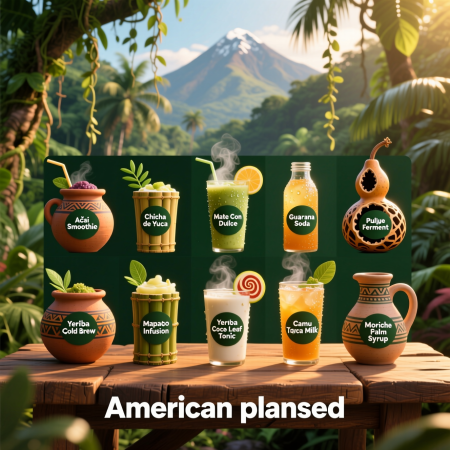
What Makes South American Plant-Based Drinks Special?
Have you ever wondered what makes traditional South American beverages so unique and appealing? South America is a treasure trove of vibrant, plant-based drinks that reflect deep historical roots and rich cultural stories. From Indigenous herbal infusions to recipes shaped by colonial influences, these drinks carry centuries of tradition and flavor.A Blend of History and Culture
Many of these drinks trace back to Indigenous communities who relied on local plants like yerba mate, coca leaves, and purple corn for nourishment and healing. Later, colonial encounters introduced new ingredients and preparation styles, blending old customs with fresh ideas. Today, these beverages enjoy global popularity thanks to their authentic flavors and wholesome benefits.Natural Health Boosts
South American drinks are more than just refreshing—they\’re packed with health perks like powerful antioxidants, gentle natural stimulants, and hydrating elements perfect for tropical climates. Whether it’s the energizing kick of yerba mate or the soothing digestion aid from aloe vera juice, these plant-based drinks offer functional benefits that support a healthy lifestyle.Tips for Authentic Tasting Experiences
If you’re traveling through South America, the best way to experience these vegan drinks is straight from local street vendors, bustling markets, or lively festivals. Here are some quick tips:- Seek out freshly prepared versions for the richest flavors.
- Engage with vendors to learn about regional variations and customs.
- Respect local etiquette, such as the social sharing of yerba mate.
- Try drinks seasonally to enjoy them at their freshest and most traditional.
The 12 Must-Try Plant-Based Drinks in South America
South America boasts a rich variety of traditional plant-based beverages, each reflecting its unique history, culture, and local ingredients. Here are 12 must-try vegan drinks that highlight the best of the continent’s natural flavors and health benefits.1. Yerba Mate (Argentina, Uruguay, Paraguay, Southern Brazil)
Yerba Mate is more than just a drink—it\’s a social ritual. Made from dried and crushed Ilex paraguariensis leaves, mate is traditionally prepared in a hollowed gourd and sipped through a metal straw called a bombilla. Known for its earthy, slightly bitter flavor, it’s rich in antioxidants and natural caffeine, providing a clean energy boost. You’ll find Yerba Mate served hot in Argentina and Uruguay or cold as tereré in Paraguay and parts of Brazil, perfect for tropical heat. Sharing mate is a common customary practice, reflecting friendship and community.2. Chicha Morada (Peru)
Made from purple corn boiled with pineapple, cinnamon, cloves, and sometimes cloves, Chicha Morada is a vibrant purple, sweet-tart drink packed with antioxidants from the native maíz morado. It’s best served chilled, making it refreshingly perfect for hot days. In Peru, it’s often enjoyed alongside local dishes, offering a fruity, spicy balance to hearty meals. This traditional purple corn drink has a long history and is a staple in Peruvian tables.3. Mate de Coca (Bolivia, Peru)
Mate de Coca is a herbal infusion made from coca leaves, widely used in Andean cultures for centuries. It helps combat altitude sickness and offers gentle stimulation without the harshness of regular caffeine. Traditionally brewed like tea, it’s a cultural staple in Bolivia and Peru’s highlands. While coca leaves have restricted use in many countries, they are legal and safe to consume in their natural form here, often enjoyed during festivals and daily life.4. Aloe Vera Juice (Ecuador, Peru)
Fresh aloe vera is blended with citrus fruits or natural sweeteners to create a cooling, digestive aid often found sold by street vendors. Popular in tropical regions like Ecuador and Peru, it’s both refreshing and known for soothing stomachs and hydrating in warm weather.5. Agua de Panela or Guarapo (Colombia, Venezuela)
Agua de Panela, also called Guarapo, is pure sugarcane juice often served with lime juice. This unrefined sweetener is a quick energy refresher. You’ll find it fresh-pressed cold or as a warm drink made with panela blocks dissolved in water, especially popular in Colombia.6. Horchata de Arroz (Ecuador and Other Countries)
Horchata de Arroz is a creamy rice-based drink flavored with cinnamon, sometimes enriched with nuts or seeds depending on the region. It’s lightly sweet and mildly spiced—a refreshing choice on a sunny day with many regional variations. This milky beverage reflects colonial influences blended with indigenous ingredients.7. Emoliente (Peru)
Emoliente is a warm herbal drink that combines barley, flaxseed, and medicinal herbs like boldo or horsetail. Sold at street stands, it’s used as a remedy for colds, digestive issues, and to boost immunity. The customizable blend means you can tailor it to your taste and needs.8. Jugo de Açaí or Amazon Fruit Juices (Brazil)
Açaí juice or bowls come thick and rich, made from the Amazon’s dark purple superfruit. Often blended with guarana or tropical fruits, these drinks deliver a powerful energy boost and antioxidants. Originating from Brazil’s rainforest, açaí blends are now popular across South America and global smoothie bars.9. Mocochinchi (Bolivia)
Mocochinchi is a sweet, spiced beverage from dried peaches boiled with cinnamon, widely enjoyed as a cooling, rehydrating drink. It’s both festive and everyday, commonly found at markets and street stalls in Bolivia.10. Api Morado (Bolivia, Andes)
Api Morado is a thick hot drink made from purple corn, infused with warming spices like clove and cinnamon. It’s a comforting Andean breakfast beverage, perfect for chilly mountain mornings.11. Canelazo (Ecuador, Colombia – Non-Alcoholic Version)
Canelazo is traditionally a warm spiced sugarcane or fruit infusion. While often served with alcohol, the non-alcoholic versions offer a sweet, cinnamon-rich warmth, especially popular in the highlands with added local fruits like naranjilla.12. Suco de Maracujá or Passion Fruit Juice (Brazil)
This tangy, tropical juice is freshly blended passion fruit sweetened with water or sugar. Suco de Maracujá is a common street drink across South America, loved for its bright flavor and refreshing qualities perfect for hot climates. These drinks are deeply tied to their regions’ landscapes and cultures, making them a must-try for travelers looking for healthy, authentic plant-based options. For more on traveling and enjoying local specialties, check out tips on traveling to Ecuador or discover a curated list of everything to try in South America.How to Enjoy These Drinks While Traveling in South America
When exploring South America, the best way to enjoy traditional plant-based drinks is by visiting bustling markets, street stalls, and even local homes. These spots offer the most authentic experience, where you can taste fresh beverages like yerba mate, chicha morada, or guarapo made with care and traditional methods.Where to Find Them
- Markets and street vendors are ideal for fresh, affordable drinks like aloe vera juice and panela. These places capture the heart of local flavor.
- Local homes and small cafés often offer homemade versions of drinks like emoliente or api morado, paired with home-cooked meals.
- Seasonal festivals are also perfect for trying festive drinks like mocochinchi or canelazo, which highlight regional ingredients and customs.
Etiquette Tips
- For yerba mate, sharing is part of the experience. It’s common to pass around the gourd among friends or family, so be ready to drink from the same straw (bombilla) gracefully.
- Always ask politely before taking photos or ordering; many vendors appreciate respect for their craft.
- Try to learn a few local phrases like “por favor” and “gracias” to connect better with hosts and vendors.
Vegan Assurance & Availability
- Most South American plant-based drinks are naturally vegan, made from native fruits, seeds, and herbs with no animal products—perfect for vegan travelers seeking healthy South American refreshments.
- Keep in mind that some drinks are seasonal, like açaí juice, which may be freshest during harvest months, or api morado, more common in colder Andean seasons.
- Regional differences matter too: for example, tereré (cold yerba mate) is popular in Paraguay’s warm climate, while hot drinks like emoliente warm up chilly Andean mornings.
Simple Recipes to Recreate at Home
Bringing a taste of South America to your kitchen is easier than you might think. Here are three easy plant-based drink recipes that capture the essence of traditional South American beverages and can be made with ingredients available globally.1. Chicha Morada (Purple Corn Drink)
Ingredients:- 1 cup dried purple corn (or substitute with black rice for similar color)
- 1 pineapple peel and core
- 1 cinnamon stick
- 3-4 cloves
- 1-2 tablespoons lime juice
- Sugar or sweetener to taste
- Water
- Boil the purple corn, pineapple peel, cinnamon, and cloves in 8 cups of water for about 45 minutes.
- Strain the liquid and let it cool.
- Add lime juice and sugar to taste.
- Serve chilled for a refreshing antioxidant-rich drink.
2. Yerba Mate (Traditional Herbal Infusion)
Ingredients:- 2-3 tablespoons yerba mate leaves
- Hot (not boiling) water
- Fill half a mate gourd or large cup with yerba mate leaves.
- Pour hot water slowly to saturate the leaves.
- Drink through a bombilla (metal straw) or strain if needed.
- Refill with hot water as desired for multiple infusions.
3. Guarapo (Fresh Sugarcane Juice)
Ingredients:- Fresh sugarcane sticks, peeled and chopped (or 1 cup pure cane sugar dissolved in water)
- Juice of 1 lime
- Water
- Ice cubes
- If you have access to fresh sugarcane, crush or blend pieces to extract the juice.
- Mix sugarcane juice with lime and water to dilute as preferred.
- Serve over ice for a naturally sweet and hydrating beverage.
These simple recipes offer a way to enjoy authentic, healthy South American plant-based drinks at home. They bring a mix of antioxidants, natural flavors, and cultural richness wherever you are.