How to Stay Nourished on Long Bus Rides in Latin America Guide
Understanding Latin American Bus Travel Realities
Bus travel in Latin America varies widely depending on the country, region, and service type. Here’s what you need to know before packing snacks for your trip:
Aspect
Details
Examples
Bus Type
Ranges from basic to luxury “cama” buses
Peru and Chile offer luxury beds; Central America often basic seats
Onboard Meals
Some long-haul buses provide meals; many don’t
Bolivia buses usually no food; Argentina luxury coaches serve dinner
Roadside Vendors
Common at rest stops, but food safety varies
Ecuador and Colombia have fresh fruit vendors; beware hygiene
Rest Stop Frequency
Stops every 2-4 hours for bathroom and food
More frequent in Central America; fewer in Patagonian routes
Border Food Rules
Crossing borders means stricter rules on fresh foods. Many countries in South America ban fresh fruit, vegetables, and meat to avoid pests and diseases. If you plan to cross borders:
Avoid carrying fresh fruit or raw meat in your carry-on or checked bags.
Opt for sealed snacks like dried fruits, nuts, and packaged items.
Check specific border rules online for your route to avoid confiscations.
Understanding these realities helps you plan better and stay nourished without surprises on long distance bus rides in Latin America.
Core Principles for Staying Nourished
When packing food for long bus rides in Latin America, focus on non-perishable, mess-free items that sustain your energy without hassle. Choose snacks that balance protein, complex carbs, and healthy fats to keep your blood sugar steady and avoid energy crashes during your journey.
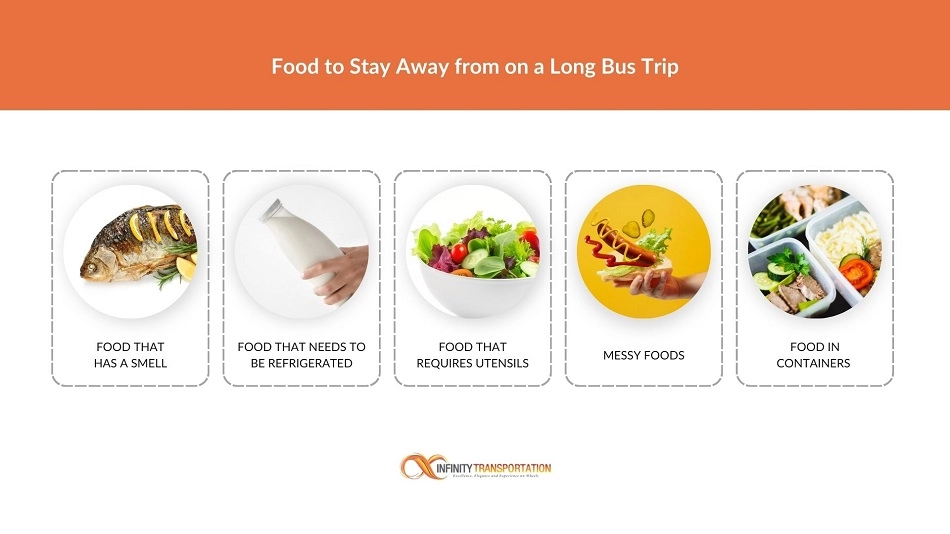
Keep liquids to a minimum before boarding to reduce bathroom stops and discomfort on crowded buses. Also, steer clear of spicy, heavy, or greasy foods, which can upset your stomach in a confined space and worsen motion sickness.
Following these simple rules helps you stay nourished and comfortable, making your ride smoother and more enjoyable.
Recommended Snacks & Foods to Pack
When planning long bus rides in Latin America, especially those lasting 8 to 20+ hours, packing smart snacks is key to staying nourished and energized. Aim for foods that are non-perishable, easy to eat on the go, and provide balanced nutrition.
Protein-rich options:
Nuts and trail mix (a great combo of protein and healthy fats)
Jerky (beef, turkey, or even local variants)
Hard-boiled eggs (packed carefully in a small cooler bag)
Tuna or sardine pouches (lightweight, no-cook options)
Carb-based sustained energy:
Granola bars or energy bars made from whole grains
Whole-grain crackers and pretzels for crunch and carbs
Biscuits or simple bread snacks that won’t get messy
Fruit & dried options:
Dried fruits like mango, pineapple, or raisins are excellent for quick energy
Fresh fruits with a thicker skin like apples and bananas, which travel well
Fruit leathers can satisfy a sweet craving without sticky mess
Hydration & electrolytes:
Bring a reusable water bottle to stay hydrated throughout your journey
Electrolyte packets help replace salts lost during long, hot rides or high altitudes
Regional/local additions:
Before you board, consider picking up local snacks like empanadas, tamales, or simple cheese sandwiches from markets or bakeries. These are filling and taste great, but remember border restrictions often don’t allow fresh meat or fruit across countries.
For extra ideas on regional vegetarian snacks and street food safety tips while on buses, check out this guide on a vegetarian paradise on the Caribbean coast from fruit stalls to local kitchens.
Packing these balanced foods ensures you avoid hunger and energy crashes on long-distance bus rides in Latin America, helping you enjoy the journey comfortably.
Packing & Preparation Strategies
When packing for long-distance bus snacks in Latin America, a little prep goes a long way. Start with ziplock bags to keep portions organized and fresh. A small cooler bag is a game-changer for keeping perishables like cheese or hard-boiled eggs cool, especially on rides lasting over 12 hours. Don’t forget reusable utensils and napkins—they make eating easier and cleaner on the bus.
For trips around 8–12 hours, pack enough snacks to cover breakfast and lunch, plus some extras like nuts or dried fruit for energy boosts. For longer rides, 20 hours or more, bring a mix of protein, carbs, and hydrating options and consider doubling your portions to avoid hunger during late-night stretches or limited rest stops.
Timing matters: buy your snacks the day before your trip in local markets or city shops, where you can choose fresh, sealed items safely. Avoid relying on street food right before boarding, as it can sometimes cause nausea or discomfort on the bus. This approach also helps if you\’re crossing borders with restrictions on fresh fruit, vegetables, or meats—a common rule in many Latin American countries.
Being prepared with the right packed foods and accessories ensures you\’re set for a healthy journey, balancing convenience with nutrition on long haul bus rides in Latin America.
During the Journey: Smart Eating Habits
Keeping your energy steady on long bus rides in Latin America means pacing your eating throughout the trip. Aim to eat small, balanced snacks every 2-3 hours instead of large meals to avoid crashes and discomfort. This helps maintain blood sugar levels and keeps you feeling alert, especially on rides lasting 8-12 hours or more.
When offered onboard food, evaluate it carefully. Some luxury buses in countries like Chile or Argentina might provide decent meals, but on budget buses or in Central America, onboard options are often limited or greasy. If you’re unsure about the quality or cleanliness, it’s safer to skip and rely on your packed snacks.
Rest stops are key opportunities to grab fresh or local food, but choose wisely. Street vendors may offer tempting snacks, but prioritize sealed or cooked items like freshly made empanadas, tamales, or boiled corn. Bottled water and packaged snacks are usually safe bets. Avoid raw fruits or vegetables unless you can peel or wash them thoroughly, mindful that many countries have strict border restrictions on fresh produce.
To reduce motion sickness, eat light and avoid heavy, greasy, or spicy foods. Small portions of easy-to-digest snacks like crackers, nuts, or dried fruit work best during the ride. Also, try to minimize liquids right before boarding to limit frequent bathroom stops.
Mastering these eating habits will keep you nourished, comfortable, and ready to enjoy your journey across Latin America’s diverse landscapes and cultures.
Special Considerations for Bus Travel Nutrition
When planning long bus rides in Latin America, keep a few special factors in mind to stay nourished and comfortable.
Vegetarian and Vegan Adaptations
If you follow a vegetarian or vegan diet, stick to plant-based portable snacks like nuts, dried fruits, granola bars, and trail mix. Pre-packaged hummus or nut butter packets are great for protein. You can also find regional vegetarian-friendly options like cheese sandwiches or empanadas in many cities.
High-Altitude Adjustments
Traveling through high-altitude areas like Peru or Bolivia means your body needs more hydration and lighter foods. Avoid heavy, greasy meals that can worsen altitude sickness. Instead, opt for watery fruits, electrolyte packets, and easy-to-digest snacks. Keeping well-hydrated with a reusable water bottle and sipping small amounts frequently helps maintain energy levels and prevents headaches.
Food Safety Tips
Food safety is crucial on long bus rides. Avoid highly perishable items like fresh meat, dairy, and unsealed fruits—especially when crossing borders, where fresh fruit and vegetable restrictions are common. Prioritize sealed, non-perishable foods to minimize risk. Use ziplock bags or small cooler bags with ice packs for items like hard-boiled eggs or cheese to keep them fresh longer. Always be cautious with roadside vendors—choose cooked, hot foods or stick to pre-packaged items for safety.
By paying attention to these special considerations, you’ll enjoy a safer and more comfortable journey with steady nourishment throughout your trip.