
Preparing for a Vegetarian Camino del Norte
Setting off on the Camino del Norte as a vegetarian means a bit of extra preparation—but it’s totally doable and rewarding. Knowing a few key Spanish phrases will be your best friend when ordering food. Simple requests like “¿Tiene opciones vegetarianas?” (Do you have vegetarian options?) or “Sin carne, por favor” (Without meat, please) can open doors to delicious meals along the way.
Packing smart is just as important. Bring high-protein portable snacks like nuts, dried fruits, and energy bars to keep you going between stops. Don’t forget reusable containers and utensils—these help you store leftovers or pack your own snacks sustainably, especially during longer stretches with fewer veggie options.
When it comes to planning, apps like HappyCow are indispensable for finding vegetarian and vegan restaurants or shops along your route. The Wise Pilgrim guides also highlight spots that cater well to plant-based pilgrims. Grocery planning is key too—supermarkets in bigger towns often have fresh vegetables, cheeses, and breads that can complement your meals.
If you’re vegan or leaning that way, the Camino del Norte’s rural sections can be more challenging. Many traditional dishes include eggs or dairy, so it’s helpful to revisit your flexibility or bring extra supplies. Vegetarians generally find more varied choices, especially in towns with organic cafes or market stalls.
With some practical prep, your Camino del Norte vegetarian food experience will be flavorful, nourishing, and smoothly aligned with your values.
Essential Vegetarian Dishes to Seek Out
When walking the Camino del Norte, tasting local vegetarian dishes is a highlight. In the Basque Country, keep an eye out for vegetable-based pintxos. These small bites often feature grilled peppers, mushrooms, and other seasonal veggies—perfect for a quick energy boost. Don’t miss the variety of Basque vegetarian pintxos in bars around San Sebastián or Bilbao.
Asturias offers hearty options like fabada adaptations and cached, a type of bean stew traditionally made without meat. Grilled vegetables are also common here, often served in cider houses that are beginning to cater to vegetarian pilgrims. These dishes provide filling, plant-based nourishment ideal for the Camino Primitivo and surrounding routes.
Further west in Galicia, staples include pementos de Padrón—small green peppers, usually mild, sometimes spicy—and a vegetarian take on caldo gallego, a traditional soup filled with potatoes, greens, and beans. You’ll also find empanadas verdura, savory pastries stuffed with seasonal vegetables, perfect for a portable meal.
If you find fewer options in rural spots, common vegetarian fallbacks like ensalada mixta (you can ask for it without tuna), tortilla española, and simple pasta with tomato sauce often appear on pilgrim menus. These basics keep your diet balanced while you explore the northern Camino’s diverse culinary landscape.
For more ideas on adapting local dishes to a vegetarian lifestyle, resources like this guide on how to cook local dishes vegetarian-style in your Airbnb can be really handy.
Vegetarian-Friendly Stops by Route Section
Basque Country (Irún to Bilbao)
The Basque stretch offers some of the best vegetarian-friendly stops on the Camino del Norte. In San Sebastián/Donostia, many pintxos bars welcome vegetarians with vegetable-based pintxos—think grilled peppers, mushrooms, and fresh local greens. Markets like La Bretxa are perfect for picking up fresh produce or snacks to pack. Moving toward Bilbao, the area around the Guggenheim Museum has several organic cafés and health-conscious spots serving plant-based meals, catering well to vegetarian pilgrims.
Cantabria (Bilbao to Santander)
Cantabria\’s coastal towns, including Santander, lean heavily on seafood, but vegetarians can still find alternatives with some planning. Supermarkets here carry a good range of fresh vegetables and convenience foods. Look for vegetarian versions of traditional dishes or focus on seafood substitutes like grilled mushrooms or vegetable stews. This area rewards pilgrims who plan grocery stops and self-catering stages carefully.
Asturias (Santander to Oviedo/Ribadeo)
Asturias is known for hearty, meat-rich stews, but Oviedo offers a growing number of eco-friendly eateries and cider houses that adapt their menus to include vegetarian options. Grilled setas (mushrooms) and local greens make for delicious highlights here, often featured in plant-based adaptations of traditional cuisine. These options support sustaining energy on the Camino while enjoying local flavors.
Camino Primitivo Divergence (Oviedo onward)
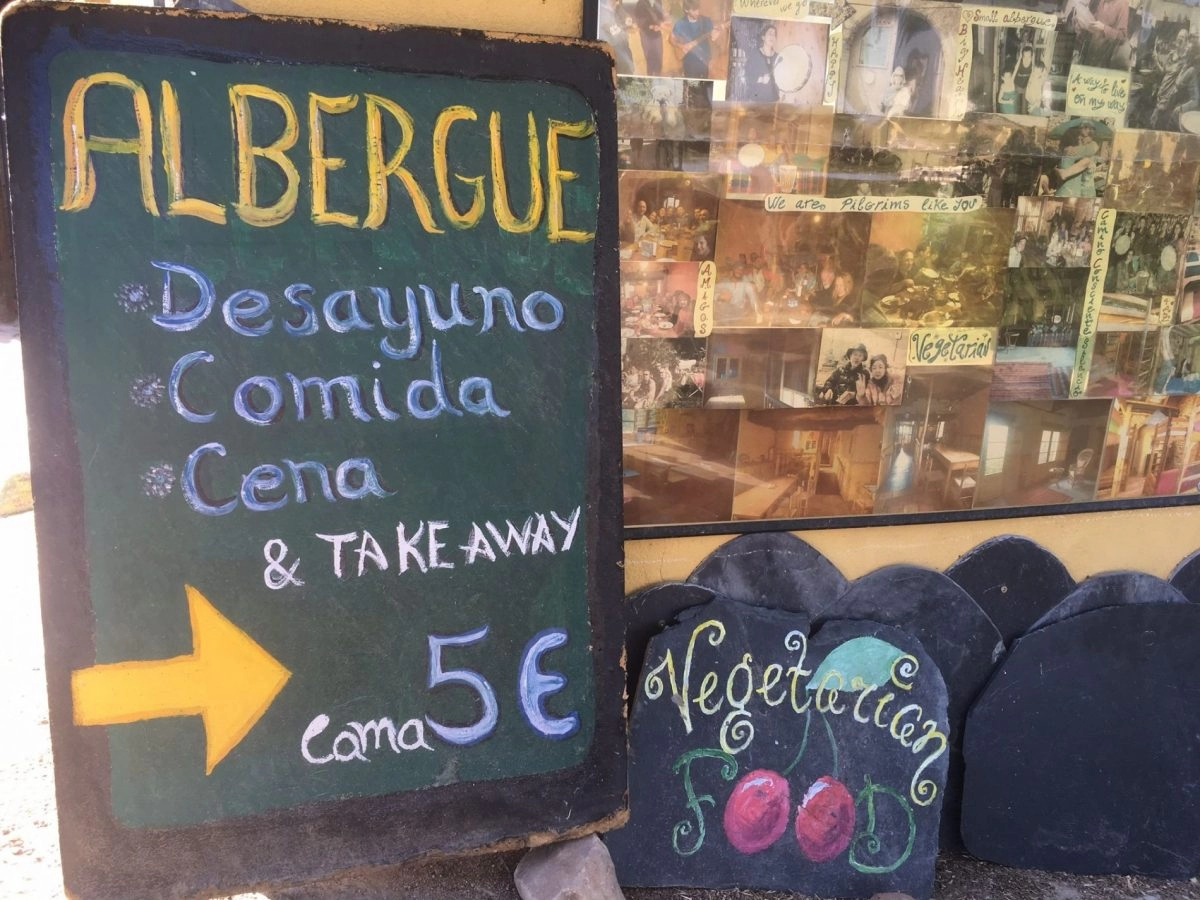
This stretch becomes more rural and challenging for vegetarian pilgrims. Many donativo albergues offer homegrown vegetable meals, but options can be limited outside towns. Pilgrims often rely on albergues with kitchens and communal dinners to ensure balanced plant-based nutrition. Patience and flexibility help when sourcing vegetarian food here.
Galicia (Ribadeo to Santiago de Compostela)
Galicia’s coastal and inland stages toward Santiago feature some beautiful vegetarian staples. From the sweet heat of pementos de Padrón to caldo gallego made in vegetarian versions, local markets and small eateries offer plenty of fresh and wholesome options. Pilgrims will find that combining café stops with groceries is key to maintaining a vegetarian diet in this final stretch.
For more tips on using apps to locate the best vegetarian restaurants and markets along the Northern Camino, resources like HappyCow and the Wise Pilgrim guides are invaluable tools to plan your route and food stops efficiently. If you’re interested in smart grocery planning and self-catering options similar to vegetarian travelers in other parts of the world, consider insights shared in vegetarian travel guides such as this comprehensive vegetarian market guide.
Top Recommended Stops and Hidden Gems
City Highlights: Vegetarian-Friendly Cafes, Bars, and Albergues
Along the Northern Camino routes, cities like San Sebastián, Oviedo, and Santiago de Compostela offer several cafes and bars that cater well to vegetarian pilgrims. Look for places known for Basque vegetarian pintxos or veggie-forward tapas menus, especially in San Sebastián’s Old Town. In Bilbao and Santiago, organic cafes and health-focused eateries often have clearly marked vegetarian and vegan options. Many urban albergues understand dietary needs and either provide vegetarian meals or have kitchens where you can prepare your own food with ingredients bought nearby.
Rural Standouts: Albergues with Kitchens and Communal Dinners
Rural sections of the Camino Primitivo and the Northern route can be tricky, but some albergues stand out by offering communal vegetarian dinners or well-equipped kitchens where pilgrims can cook. These spots often rely on homegrown vegetables and seasonal produce, making them excellent choices for sustainable eating during your pilgrimage. Booking ahead at these albergues can ensure you don’t miss out on these comfortable and welcoming vegetarian-friendly options.
Grocery and Market Tips for Self-Catering Stages
In smaller towns and villages, supermarkets and local markets become your best friends. Stock up on fresh pementos de Padrón, seasonal fruits, nuts, and high-protein portable foods for the trail. Many markets sell local cheeses and breads, perfect for quick, energizing meals. Apps like HappyCow can help you locate nearby vegetarian-friendly stores and markets during your Camino del Norte journey, making self-catering a practical solution. Planning groceries this way mirrors sustainable pilgrimage eating, reduces food waste, and keeps your diet balanced and satisfying.
For more tips on managing a vegetarian diet while traveling and staying on budget, you might find insights on balancing adventure and diet useful, especially when navigating remote stretches.
Practical Tips for Pilgrim Menus and Daily Eating
Navigating the menú del peregrino as a vegetarian on Spain’s Northern Camino routes can be easier than you might think with a few simple strategies:
- Request substitutions politely—ask if a meat dish can be swapped for an extra vegetable portion or a side salad. Using basic Spanish phrases like “¿Tiene opción vegetariana?” (Do you have a vegetarian option?) or “Sin carne, por favor” (No meat, please) helps a lot.
- Don’t hesitate to ask for portion adjustments if the standard meal feels too heavy or too light. Pilgrim menus are often fixed, but many places are flexible with requests, especially in bigger towns.
For balanced energy throughout the day:
- Start with a hearty breakfast—think fruit, bread with tomato or cheese, and coffee. It fuels long walking stages.
- Keep lunch light but nourishing by choosing vegetable stews, tortilla española without meat, or pasta with tomato sauce.
- Dinner can be a chance to enjoy regional vegetarian dishes while recharging your body.
In smaller villages, options may be limited. Here’s how to handle that:
- Carry protein-rich snacks like nuts, dried fruit, or legume-based bars.
- Look for local shops or markets where you can pick up fresh produce or ready-made vegetarian dishes.
- Consider self-catering occasionally if you have access to albergue kitchens.
Finally, aim for sustainable, local eating by:
- Choosing seasonal vegetables like pementos de Padrón or grilled greens.
- Supporting small markets and local producers rather than packaged or imported goods.
- This not only helps the environment but often results in fresher, tastier meals.
If you want more ideas on sourcing plant-based food on pilgrimage routes, apps like HappyCow and Wise Pilgrim guides are excellent, and checking out tips for self-catering Camino del Norte stages will prepare you well. For similar advice on sustainable eating during long hikes, exploring local superfoods on South American trails offers interesting parallels.