
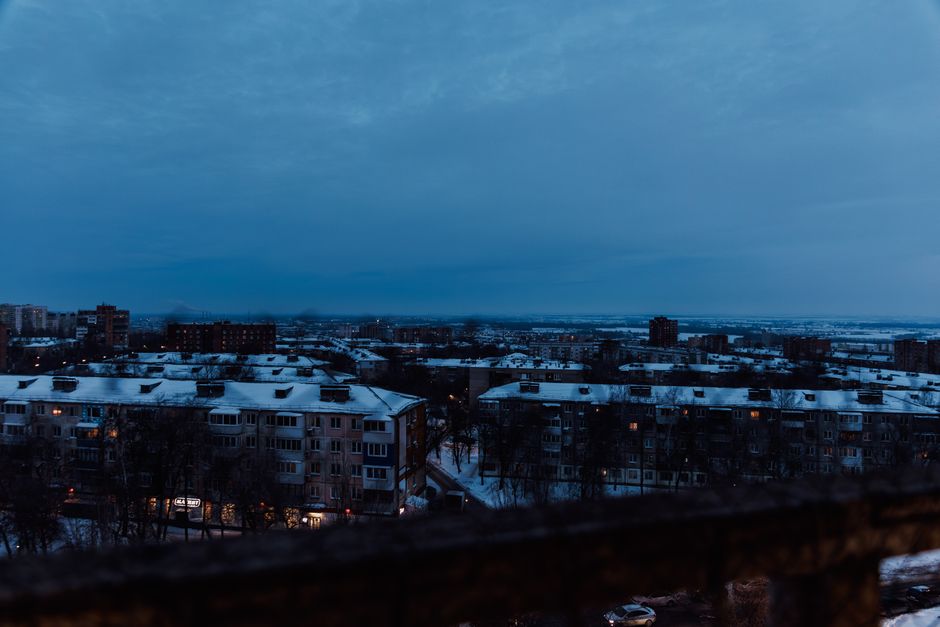
You arrive in Vienna at 3 p.m., the light is already fading, and your first thought is not Mozart. It is dinner. Your travel partner wants a traditional Austrian meal, you do not eat meat, and the Christmas market smells like sausages from every direction.
Vienna is still a strong choice for a vegetarian winter break, but the trip works best with a little planning. The city offers classic coffee houses, large food markets, vegetarian restaurants and meat-free versions of old Viennese dishes. The catch is that a market stall may label something as vegetarian without making it vegan, and a grand café may have one meat-free main course rather than ten.
This guide builds a practical three-day route for winter 2026. It covers what to eat, where to warm up, how to use the markets and how to avoid paying fine-dining prices for a plate of vegetables.
Is Vienna good for vegetarians in winter?
Yes, but Vienna rewards people who plan meals by neighbourhood instead of wandering until they are hungry. The city’s food culture is built around bread, pastry, dairy, eggs, potatoes, cabbage, beans and seasonal vegetables. That gives vegetarians a useful base. You can eat well in a traditional café without turning every meal into a search for a specialist restaurant.
Why winter works for meat-free travellers
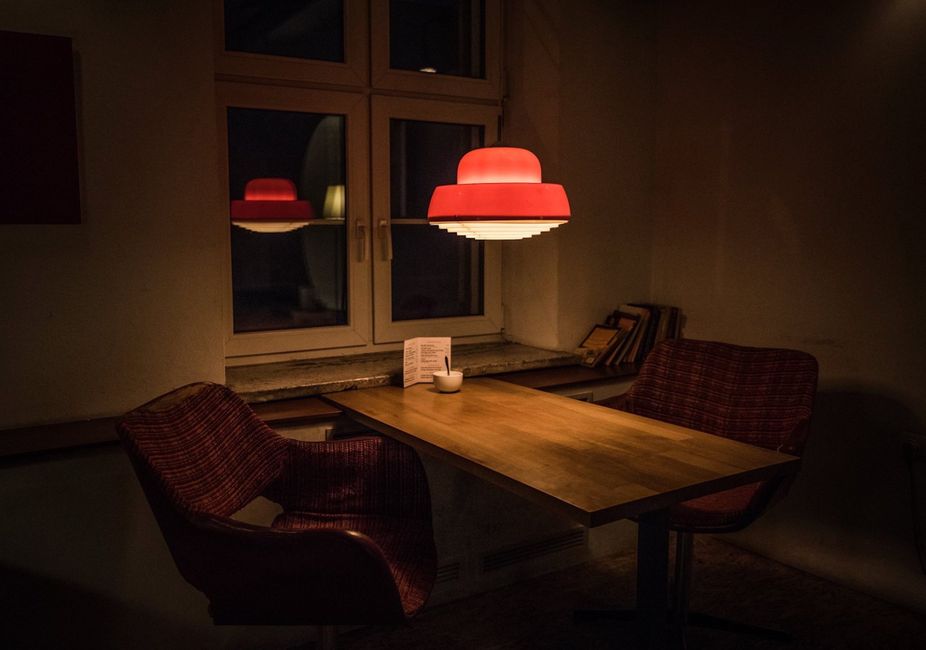
Cold weather makes Vienna’s traditional comfort food more useful. A bowl of pumpkin soup, a plate of spinach dumplings or warm poppy-seed noodles can carry you through an afternoon of museums and walking. Coffee houses also act as heated rest stops, not just places to take photographs. A Melange, the local milk coffee, arrives with a glass of water and gives you somewhere to sit for an hour while the streets outside turn dark.
The city’s markets add variety. Naschmarkt has around 130 stalls and food businesses, with options ranging from Viennese food to Indian, Vietnamese and Italian dishes. It is not a vegetarian market, so do not assume every attractive counter is suitable. Read the menu, ask about stock and check whether a dish contains meat broth or lard.
The honest limitation
Traditional menus still lean heavily toward schnitzel, goulash, sausages and ham. A restaurant may offer only one vegetarian main course, and that dish may be a cheese-heavy plate rather than a balanced meal. This is not a reason to skip Vienna. It is a reason to book one clearly vegetarian dinner, then use cafés and markets for the flexible meals.
For a first visit, the best strategy is simple: reserve one specialist restaurant, choose two coffee houses with a meat-free dish, and leave one meal open for a market or bakery. That mix gives you local character without forcing every meal into the same category.
Which Viennese classics can vegetarians actually eat?
Do not build the trip around finding a fake schnitzel. Vienna is more interesting when you treat its meat-free dishes as part of the local food tradition rather than as substitutes forced onto a meat-based menu.
- Käsespätzle: Soft egg noodles with cheese and fried onions. It is filling, distinctly Alpine and usually vegetarian, but ask whether the kitchen uses meat stock in the sauce.
- Spinatknödel: Spinach dumplings are often served with browned butter, cheese or a salad. They make a useful winter lunch because the dumplings are warm and substantial without being as heavy as a cream-based main course.
- Krautfleckerl: This cabbage-and-pasta dish is one of the strongest meat-free choices in traditional Viennese cooking. It can be sweet, peppery or slightly caramelised. Check the preparation if you avoid dairy.
- Erdäpfelgulasch: Potato goulash gives you the paprika-rich comfort of goulash without beef. Some versions include sausage, so ask before ordering rather than relying on the name.
- Waldviertler Mohnnudeln: Poppy-seed noodles with sugar and butter make a good dessert or light supper. They are not a high-protein meal, but they are a genuine regional dish and work well after a larger lunch.
- Apfelstrudel: Apple strudel is usually vegetarian, yet the pastry may contain butter. If you are vegan, ask about the pastry and whether the vanilla sauce contains dairy.
The common mistake is to translate “vegetarian” as “safe for every dietary rule.” Eggs, butter, cream and cheese appear often. Vegan travellers should learn two phrases: Ich esse kein Fleisch means “I do not eat meat,” while Ich lebe vegan means “I am vegan.” If fish is also excluded, say so directly because some menus separate meat from fish.
Another mistake is ordering a side dish as a main course. A plate of potatoes and salad may look generous and still leave you hungry after a cold day. Add beans, eggs, cheese, dumplings or bread. The best winter plate has a clear source of protein and enough starch to support several hours of walking.
Where should vegetarians eat when the Christmas markets close?
Relying on them for every dinner is how travellers end up with expensive snacks and no proper meal.
Use Naschmarkt for choice, not certainty
Naschmarkt is strongest at lunchtime, when you can compare several cuisines in a short walk. A vegetarian traveller can choose Indian food, falafel, Italian pasta, vegetable dishes or a pastry stop. The market is also a useful place to buy fruit, bread, cheese and snacks for the room. Prices vary by stall, so check the menu before ordering and ask if the dish is cooked with chicken stock.
Do not confuse a large selection with guaranteed value. Tourist-facing stalls may charge more than a neighbourhood restaurant, and the Saturday flea market brings extra crowds. Go early, choose one main dish and avoid building a full meal from small add-ons unless you have checked the total.
Choose one planned dinner
For a traditional setting, Café Prückel is the clear practical pick because its menu has multiple meat-free items rather than one token salad. The vegan Krautfleckerl at €10.50 is the strongest value choice from the menu data available, while the vegan pumpkin-coconut soup at €6.50 works as a lighter meal. Café Sperl is better for atmosphere and breakfast than for a fully vegetarian dinner.
For a high-end night, TIAN is the obvious specialist choice. The six-course menu at €178 is expensive by normal city-break standards, but the price buys a fully vegetarian tasting menu rather than a meal assembled around side dishes. Do not book it casually if you want a flexible, low-cost trip. Choose it when the dinner itself is one of the main reasons for visiting Vienna.
When not to choose a specialist restaurant
Skip a tasting menu if your group wants to share food, has young children, dislikes long dinners or has a strict daily budget. A dedicated vegan fast-food restaurant gives you speed and predictability, while a market gives you more choice. The tradeoff is atmosphere: a burger counter will solve hunger efficiently, but it will not replace the slow, old-fashioned experience of sitting beside a marble table in a Viennese café.
What can go wrong on a vegetarian Vienna break?
Will Christmas markets have enough vegetarian food?
Usually, yes, but the range depends on the market and the day. Rathausplatz is the largest and most famous option, while Spittelberg is smaller and more atmospheric. Market dates and stalls change, so check the official listing before travelling.
Can I find a vegetarian meal on a Sunday?
Yes, but plan the neighbourhood first. Some small independent restaurants close one or two days each week, while large cafés keep longer hours. Café Prückel is a useful fallback because its published opening hours run daily from 8:30 a.m. to 10 p.m. A Sunday plan built around one café, one museum and one central market is safer than crossing the city for an unconfirmed restaurant.
What is the biggest booking mistake?
Booking a famous café for the view and assuming it will have a full vegetarian menu. Check the menu before you reserve. A historic interior does not guarantee a good meat-free main course. If the menu shows only soup, salad and a side dish, use that café for coffee and dessert, then book dinner somewhere with a real vegetarian kitchen.
Should I stay central?
For a short winter break, yes. Staying near the first district, Neubau, Mariahilf or Leopoldstadt reduces the number of cold cross-city journeys. Central accommodation costs more, but a 20-minute walk back to a warm room can be worth the premium in December. If you stay farther out, choose a hotel near a U-Bahn station and buy transport based on actual usage rather than assuming every trip will be walkable.
The strongest vegetarian Vienna trip is not built around endless restaurant research. It uses one planned dinner, one reliable café, one market visit and enough open time to eat what looks good. Vienna’s meat-free food is becoming easier to find, but the old strengths remain the same: warm rooms, good bread, pastry, cabbage, potatoes, coffee and a city that rewards slow winter wandering.