
Can you eat well, shop for fresh food, and see volcanoes in Antigua Guatemala without turning every meal into a search mission? Yes, but the trip works best when you plan around the town’s rhythm: markets early, cafés before the lunch rush, and volcano viewpoints before clouds and heat build. The dry season runs roughly from November through April. It brings sunnier walking conditions, clearer mountain views, and more visitors.
The key is to separate three different experiences. The Mercado Central is useful for produce and everyday food. The Mercado de Artesanías is mainly for crafts, textiles, ceramics, and gifts. Antigua’s cafés handle vegetarian meals well, but protein, dairy, and cross-contact still need direct questions. For mountain views, Cerro de la Cruz is the easy win. Acatenango is the serious commitment.
Why the dry season is the best time for a vegetarian Antigua trip
What the weather changes
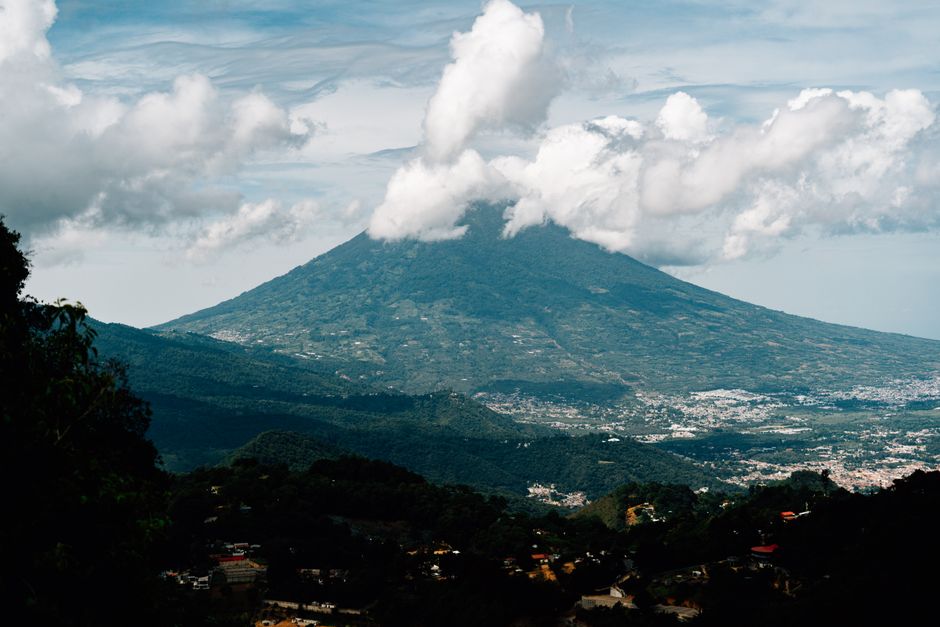
Dry-season mornings are the most valuable part of the day. Streets are cooler, stone pavements are easier to walk, and the outlines of Volcán de Agua, Acatenango, and Fuego often look sharper before afternoon haze arrives. November and December can feel fresh at night. March and April are warmer and busier, especially around school holidays and Holy Week. Pack a light fleece, sunscreen, a hat, and a thin rain shell. Rain is less common, not impossible.
Antigua sits at about 1,530 meters above sea level. That height matters on the first day. A visitor who arrives from a low coastal city may feel mild fatigue, a dry throat, or a headache after several hours of walking. Drink water, keep the first afternoon slow, and do not schedule a volcano hike immediately after landing.
Why vegetarian travellers need a little more planning
Guatemalan food offers many naturally vegetarian staples: black beans, rice, tortillas, avocado, plantains, fresh cheese, seasonal vegetables, tamales, and pepian-style sauces. The problem is not a lack of vegetables. The problem is hidden ingredients. Beans may contain pork fat. Broth may contain chicken. A vegetable plate may arrive with a meat-based sauce or a fried egg when the menu description is vague.
Learn two phrases before you go: soy vegetariano or soy vegetariana, and sin carne, sin pollo, sin caldo de pollo. If you are vegan, add sin leche, sin queso, sin huevo. For a first meal, choose a place with a clear menu rather than trying to decode a busy market stall while hungry. This small decision prevents the most common food mistake on the trip.
Where to shop for fresh vegetarian food in Antigua
Mercado Central for ingredients and local texture
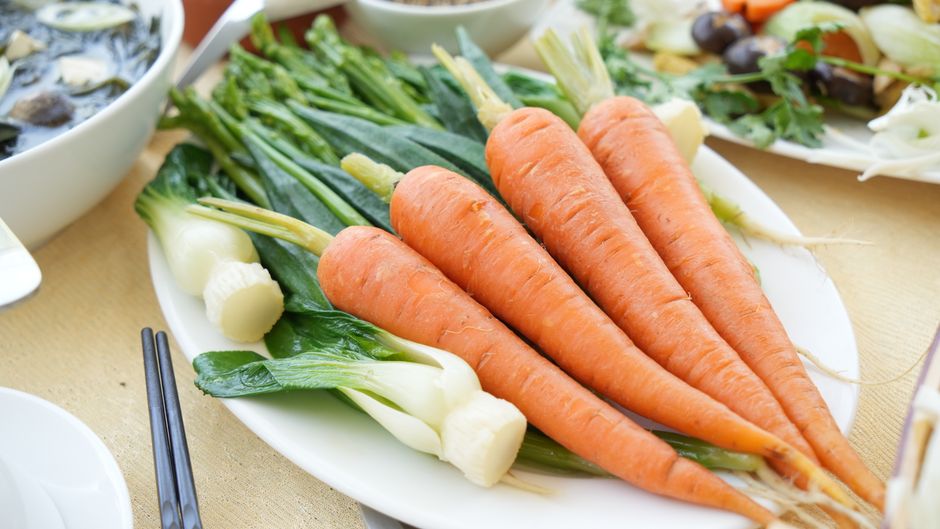
Start at Mercado Central in the morning, when fruit, vegetables, tortillas, beans, and prepared foods are easiest to find. Buy small quantities. A few bananas, mandarins, avocados, tomatoes, roasted corn, and bread can cover a picnic without leaving you with food to carry through the heat. Ask the price before choosing a large bag, and carry small quetzal notes. Vendors may not have change for a large bill.
Mercado Central is also the place to see how local meals are assembled. Look for tortillas pressed and cooked to order, black beans, rice, plantains, and vegetable toppings. Ask what oil or fat the beans use. For a strict vegetarian diet, that question matters more than the word vegetarian on a sign.
Mercado de Artesanías for crafts, not a full food shop
The Mercado de Artesanías on 4a Calle Poniente is a better stop for textiles, ceramics, woven bags, and small gifts than for a complete grocery haul. Its covered walkways make it a comfortable midday visit, but do not expect it to replace Mercado Central. Compare several stalls before buying. Similar-looking textile designs can vary in quality, and the first price is not always the final price.
| Stop | Best use | Good vegetarian buy | Best time |
|---|---|---|---|
| Mercado Central | Fresh food and local meals | Fruit, tortillas, beans, avocado, plantains | 7:00–10:00 a.m. |
| Mercado de Artesanías | Crafts and gifts | Textiles, ceramics, woven bags | Late morning |
| Small neighbourhood tienda | Backup snacks | Water, fruit, bread, nuts | Anytime |
The clear recommendation is Mercado Central for food and Mercado de Artesanías for shopping. Treating both as the same kind of market wastes time and creates unrealistic expectations.
How to build a café route that still feels local
Use breakfast, coffee, and lunch as separate stops
Do not spend half a day searching for one perfect vegetarian restaurant. Antigua is compact enough for a three-stop food route. Eat a simple breakfast near your lodging, take coffee in a courtyard café, then choose a longer lunch after the busiest walking period. This gives you flexibility when a kitchen is full or a menu changes.
- Start with fruit, beans, tortillas, or eggs if your lodging offers breakfast. You need fuel before climbing streets or viewpoints.
- Choose coffee based on location, not only reviews. A café near your next stop saves more time than a famous café across town.
- Ask two direct questions before ordering: Does the dish contain meat broth? Are the beans cooked with pork fat?
- Carry a snack from the market. Nuts, bananas, bread, and fruit solve the gap between lunch and dinner.
- Reserve your biggest meal for after the day’s main walk. Appetite rises after steep cobblestones and high-altitude excursions.
What to say when the menu is unclear
Point to the dish and ask: ¿Tiene carne, pollo o caldo? That means, does it contain meat, chicken, or broth? If the answer is unclear, order beans, rice, tortillas, avocado, vegetables, and cheese separately. This is less exciting than a specialty dish, but it is a safer fallback.
One mistake is assuming that vegetariano always means vegan. Another is asking only about the main ingredient. Sauces, refried beans, soup bases, and cooking surfaces can change the answer. A calm, specific question works better than a long explanation about your diet.
How to plan volcano views without a bad hike
Cerro de la Cruz is the practical winner
For most vegetarian travellers, Cerro de la Cruz is the best volcano-view choice. The climb is short compared with Acatenango, it fits into a half-day, and it leaves time for the market and cafés. Go early, carry water, and use the marked route rather than wandering onto quiet side streets. The view looks toward Antigua and Volcán de Agua. Clear conditions are more likely in the morning, but no dry-season forecast guarantees a perfect horizon.
Wear shoes with real grip. Antigua’s cobblestones become awkward after rain, and the route includes steps. A small daypack is enough. The failure mode here is underestimating the sun. The distance is modest, but direct light and uphill streets make a hat and water more useful than a heavy camera bag.
Acatenango is a separate mountain trip
Acatenango reaches about 3,976 meters and should not be treated as a casual viewpoint. A common overnight itinerary leaves Antigua around 8:00–9:00 a.m., climbs to camp, and aims for sunrise views of nearby Fuego. Foreign visitors currently pay about Q100 in cash at the trailhead. Shared tour packages can start around Q399, while more complete packages with transport, food, equipment, and entry may cost roughly Q650 per person. Confirm the exact inclusions before booking.
Bring warm layers, gloves, sturdy footwear, sun protection, and enough water. Summit temperatures can fall below freezing even when Antigua feels warm. Use a local guide or established operator, and check current access rules before departure. The right verdict is simple: choose Cerro de la Cruz for an efficient city trip; choose Acatenango only if the mountain itself is the main reason for visiting Guatemala.
What is the best three-day vegetarian route?
A balanced route for first-time visitors
Day one should stay inside the historic centre. Visit Mercado Central early, walk the main plazas and ruined churches, then stop at a café before lunch. Day two is for Cerro de la Cruz, a slow afternoon, and a dedicated vegetarian dinner at Samsara. Day three can be either a relaxed market-and-coffee day or the start of an overnight Acatenango hike if the mountain is your top priority.
This order protects the first day from altitude mistakes and gives you a useful fallback when clouds cover the volcanoes. It also keeps food planning simple: local ingredients in the morning, a reliable café at midday, and a restaurant with clear vegetarian choices at night.
Choose your route by the experience you actually want
| Priority | Best route | Choose this because | Verdict |
|---|---|---|---|
| Food and markets | Mercado Central, café, Samsara | Most control over ingredients and pacing | Best overall vegetarian trip |
| Easy volcano view | Cerro de la Cruz at sunrise | Short climb and no overnight gear | Best view-to-effort ratio |
| Serious mountain experience | Overnight Acatenango | High-altitude sunrise and Fuego views | Best for fit hikers |
| Specialty coffee | Itzam, then historic-centre walking | Strong coffee menu and local ingredients | Best coffee stop |
For a first visit, choose the balanced route: Mercado Central for the local food context, Samsara for the dependable vegetarian meal, and Cerro de la Cruz for the clear volcano payoff. Add Acatenango only when you want a mountain expedition more than a relaxed Antigua holiday.