
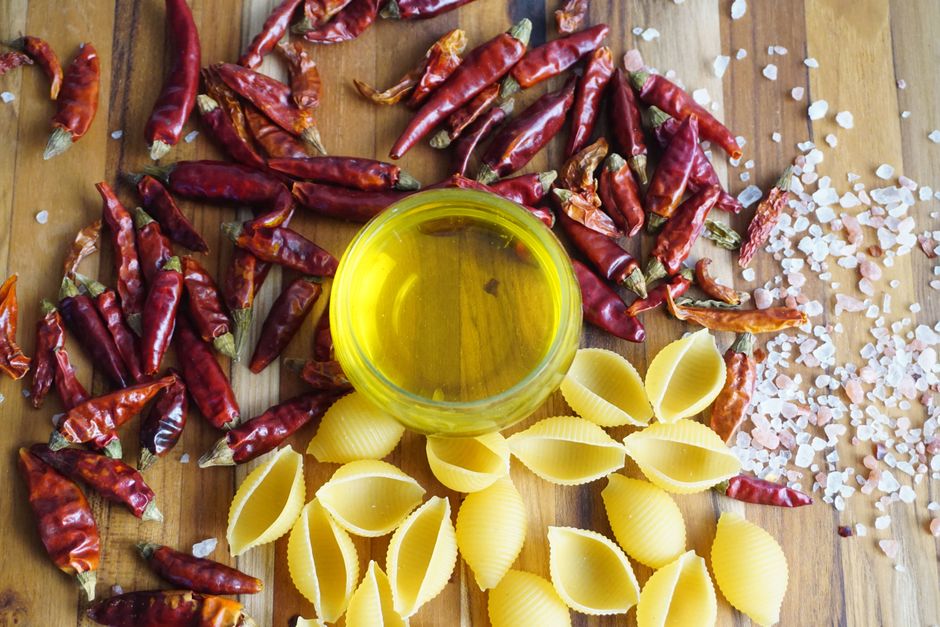
How to plan a vegetarian Puglia route in early summer
Trying to plan vegetarian travel in Puglia without spending every evening searching menus? Start with one simple rule: build the trip around towns and markets, not restaurants. Puglia makes this easy because its best vegetarian food is tied to daily life: bakery counters, small produce stalls, farm shops, and pasta kitchens that still treat vegetables as a main event.
Early summer is the right time for this approach. May and June bring broad beans, tomatoes, courgette, artichokes, cherries, peaches, and wild greens, while the worst August heat has not arrived. The coast is busy but not yet frantic. Olive groves still have soft green light in the morning, and you can walk through white towns before the stone starts holding the afternoon heat.
Use Bari as the practical starting point
Fly or arrive by train in Bari, then spend two nights in the old town before moving south. Bari Vecchia gives you an immediate food education: women shape orecchiette by hand in the street, bakeries sell focaccia barese by the slice, and produce shops make a quick picnic easy. Book a room near the old town or the central station so you can leave without a car for the first part of the trip.
Choose one inland base and one coastal base
My preferred seven-day split is two nights in Bari, two in Ostuni or Cisternino, and three in Lecce or Otranto. This reduces long transfer days and gives you different food cultures. Inland, look for masserie that grow their own vegetables. On the coast, prioritize swimming, evening walks, and simple meals built around beans, grilled vegetables, bread, and local cheese. Do not pack every day with sightseeing. Puglia rewards slow mornings and late dinners.
Which Puglian towns work best without a car?
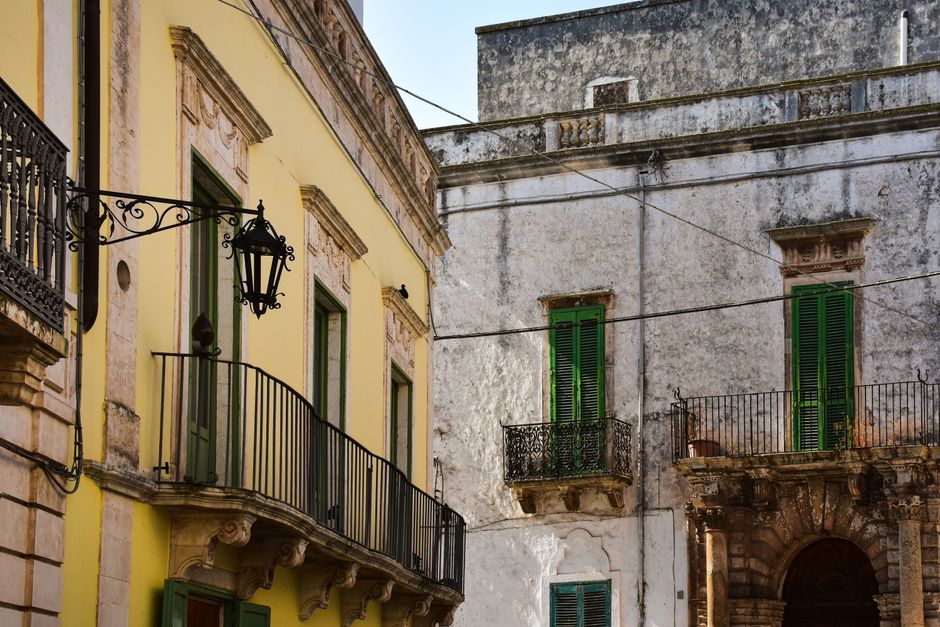
Ostuni is the best small-town base for a first vegetarian trip, but Lecce wins if you want the easiest evening routine. The old centres are compact, and both towns have enough bakeries, cafés, grocery shops, and casual restaurants to avoid relying on one expensive meal. Alberobello is worth a visit, not a full week; its trulli streets become crowded during the middle of the day.
A simple route comparison
| Base | Best for | Useful stay | Main drawback |
|---|---|---|---|
| Bari | Street food, trains, first-night ease | 2 nights | Less peaceful than smaller towns |
| Ostuni | White-town walks and masserie | 2 nights | Steep lanes and limited late transport |
| Cisternino | Village atmosphere and countryside | 1–2 nights | Car helps after dinner |
| Lecce | Baroque streets, cafés, food variety | 3 nights | Hot stone streets in the afternoon |
| Otranto | Swimming and coastal walks | 2 nights | Fewer train connections |
The no-car decision
Stay in Bari and Lecce if you will use trains. Add Ostuni only if you are happy with taxis or a short car rental. The station sits below the historic centre, so confirm the transfer before booking a hilltop room. For rural olive-grove visits, pre-arrange transport with the farm rather than assuming a bus will appear. That one call prevents the most common Puglia mistake: reaching a beautiful countryside property with no reliable way back.
What to eat when orecchiette is not enough
Orecchiette is the gateway, not the whole meal. The best vegetarian days in Puglia move between pasta, bread, legumes, vegetables, and dairy so lunch never feels like a plate of side dishes.
- Order the local pasta properly. Ask for orecchiette with cime di rapa when the greens are in season, or with tomato, fried aubergine, and salted ricotta in warmer months. Pasta portions are usually generous, so a primo can be a complete lunch with fruit afterward.
- Make focaccia part of the plan. Focaccia barese, topped with tomato, olives, and olive oil, travels well for a beach picnic. Buy it in the morning when the crust is crisp and the centre is still soft. Add peaches, almonds, and a bottle of cold water from a grocery shop.
- Try beans and greens. Fave e cicoria is one of Puglia’s clearest vegetarian dishes: creamy dried fava beans under bitter chicory, usually finished with olive oil. It explains the region better than a generic vegetable plate.
- Use grocery prices as a reality check. A 500 g pack of Pastificio Gentile Orecchiette often costs about €3.50 in a specialty shop. A 125 g Murgella burrata is usually around €2.50–€4. A 500 ml bottle of Frantoio Muraglia Intense Extra Virgin Olive Oil can cost about €19. Prices vary by shop and town, but these figures help spot an overpriced “local tasting” menu.
- Ask about hidden ingredients. Parmigiano, anchovy, lard, and meat stock can appear in sauces that sound vegetarian. Use “sono vegetariano” and ask “c’è carne o pesce?” before ordering. A clear question works better than relying on the word “vegetable” in an English menu.
My clear food verdict
For a first visit, choose a small family restaurant over a polished tasting menu. Spend the difference on a market picnic and an olive-oil tasting. The family restaurant will usually give you the more useful lesson: what people in that part of Puglia actually eat on a warm weekday.
Q&A: heat, reservations, and olive-grove visits
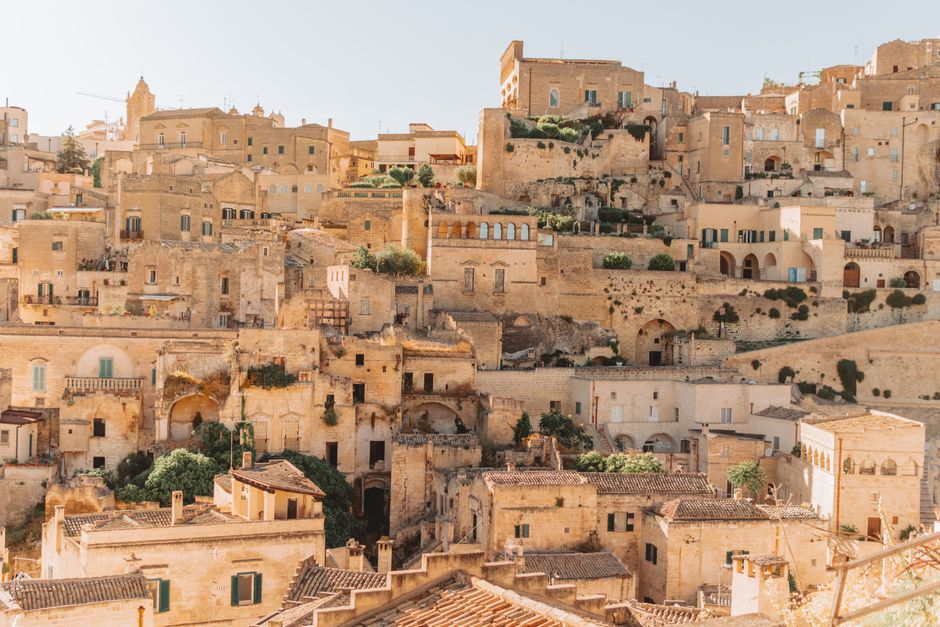
Early summer is comfortable only when you plan around the sun. The landscape looks inviting at noon, but white limestone reflects heat from every direction.
What time should I walk through the towns?
Start at 8 a.m. for a quiet walk through Ostuni, Locorotondo, or Alberobello. Stop for lunch before 1 p.m., rest indoors during the hottest hours, and return outside after 5:30 p.m. Wear shoes with a firm sole; polished stone becomes slippery on steep lanes, especially after an evening wash.
Do vegetarian travellers need to reserve dinner?
Reserve in Ostuni, Cisternino, and popular coastal villages, especially for Friday and Saturday nights. Tell the restaurant about vegetarian requirements when booking, not after sitting down. In Lecce and Bari, you can usually find an informal meal without planning three days ahead, but the best bakeries sell out of popular items before late afternoon.
How should I visit an olive grove?
Book a morning visit at a working masseria or small producer and ask what is included: grove access, mill explanation, tasting, lunch, and transport. Early summer is not harvest season, so you will not see olives being picked. You will see the trees, irrigation choices, dry-stone walls, and the landscape that shapes the oil. A two-hour visit is enough. Pay for knowledge and access, not a gift-shop sales pitch.
The mistakes that ruin a vegetarian Puglia trip
My strongest advice is to leave empty space in the itinerary. Puglia is not a checklist destination, and trying to cross the entire heel in one week turns good food into logistics.
Do not stay only in the famous towns
Alberobello deserves a morning, but sleeping there can make every meal feel designed for day-trippers. Pair it with Locorotondo, Martina Franca, or a countryside stay where the kitchen uses vegetables from nearby farms. The smaller places give you better context and calmer dinners.
Do not assume every “vegetarian” dish is safe
Menus change with the kitchen, and translations can hide stock, anchovies, or cured pork. Ask twice if needed. Also check whether a vegetable antipasto includes cheese if you are vegan; Puglia is friendly to vegetarians but far less predictable for strict vegan travellers outside larger cities.
Do not confuse olive-grove scenery with easy access
A masseria five kilometers from town can be impossible to reach after a late meal. Check the last train, taxi availability, and walking route before committing. The best trip leaves you with time to notice the next change in the landscape: olive trees giving way to vineyards, then dry stone walls, then the bright Adriatic horizon. That slower form of food travel is where Puglia’s vegetarian future already feels visible.