
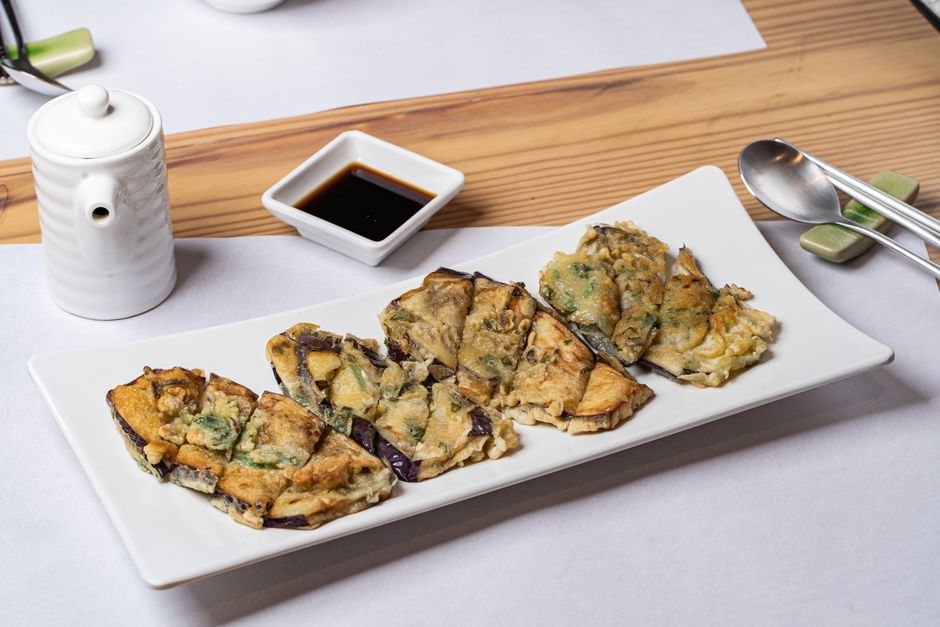
The common misconception is that vegetarian travellers can eat safely anywhere in Seoul by ordering a dish without visible meat. That fails at markets, noodle shops, and restaurants where broth, fish sauce, shrimp paste, egg, or shared cooking oil may still enter the dish. Seoul vegetarian food rewards a planned route: temple cuisine for certainty, markets for careful discovery, and palace neighbourhoods for easy walking between reliable meals. Late spring is the best season to use that plan because May brings mild walking weather and fresh mountain greens.
Which Seoul vegetarian stop gives the best value?
Compare the food, price, and certainty
Start with the level of confidence you need. A formal temple-food restaurant costs more than a market snack, but the menu has a clear culinary identity. A market costs less and feels more spontaneous, but each stall needs a separate question. Palace admission is inexpensive, so the main budget decision is lunch, not sightseeing.
| Stop | 2026 price reference | Vegetarian confidence | Best use |
|---|---|---|---|
| Balwoo Gongyang | Seon course ₩36,000; Won course ₩50,000 | High for temple cuisine | One calm, traditional meal near Jogyesa |
| Maji | Today’s set ₩11,000; course ₩23,000 | High, but confirm menu details | Better value near Gyeongbokgung and Seochon |
| Gwangjang Market | Price varies by stall | Low without questions | Snacks, atmosphere, and small tastings |
| Gyeongbokgung Palace | Adult foreign visitor ₩3,000 | Not a food stop | Pair with a planned vegetarian lunch |
My value verdict
Maji is the best value for most visitors. Its lower-priced set makes a proper vegetarian meal easier to fit beside a palace visit. Choose Balwoo Gongyang when the meal itself is the cultural experience and a ₩36,000 or ₩50,000 course fits your budget. Use Gwangjang Market for texture and energy, not as your only dependable vegetarian meal. The official Seoul listings for Balwoo Gongyang and Maji are useful before you leave your hotel because hours, menus, and prices can change.
What Korean temple food really means
The rule that changes your order
Korean temple food is not simply ordinary Korean food with meat removed. Its foundation is Buddhist cooking. Traditional temple cuisine excludes animal ingredients, although some descriptions allow dairy, and it avoids the five pungent vegetables known as oshinchae: garlic, green onion, chives, wild chives, and Chinese squill. Cooks build flavour with mushrooms, kelp, perilla seeds, fermented sauces, mountain greens, beans, and careful roasting.
That difference explains why temple food tastes clean rather than bland. A mushroom dish may carry the deep flavour that a meat stock would provide elsewhere. Acorn jelly, seasonal namul, lotus-leaf rice, tofu, and fermented vegetables create contrast through texture. The meal also follows a seasonal logic. In late spring, expect young greens, herbs, mushrooms, and lighter preparations instead of the dense stews that suit winter.
How to eat the meal properly
Do not rush through a temple-food course as if it were a buffet. Small plates may arrive together, and the point is to taste each one with rice, broth, or a fermented side dish. Take modest portions first. Some restaurants expect diners to avoid waste, and the meal may include unfamiliar greens with strong bitter or earthy notes.
Ask three questions before ordering: Is this dish vegan? Does it contain fish sauce or shrimp? Does it contain garlic or scallions? A restaurant can follow the temple-food tradition while adapting some dishes for mainstream diners. That is why the label helps, but a direct question gives the final answer.
Why late spring suits temple cuisine
May has an average temperature of about 17°C in Korea, with mild afternoons and cooler mornings. That makes a long Jongno walking route comfortable before lunch. Seasonal ingredients also matter more here than a fixed signature dish. The same restaurant may change its greens, mushrooms, or garnish as produce arrives. Pack a light jacket and leave space for a slow meal. The best temple-food experience is not the one with the most plates; it is the one where the ingredients still taste distinct.
What is the best palace-and-temple food route?
Take the north-to-east Jongno route
My recommended route is Gyeongbokgung, Seochon, Jogyesa, then Balwoo Gongyang. Enter Gyeongbokgung early, when the courtyards are cooler and the light is softer. In March through May, the palace opens from 9:00 to 18:00 and closes on Tuesdays. The adult foreign-visitor ticket is ₩3,000, and a complete hanbok can qualify for free entry under the palace rules.
- 09:00: Enter Gyeongbokgung and spend 90 minutes around Geunjeongjeon, the ponds, and the quieter western buildings.
- 10:45: Walk through Seochon. Buy water or fruit, but do not turn the first snack into lunch.
- 11:30: Choose Maji for a lower-cost traditional vegetarian meal, or continue toward Jogyesa.
- 13:30: Visit Jogyesa Temple and reserve time for Balwoo Gongyang if you chose the formal course.
- 16:00: Walk toward Insadong for tea, ceramics, and a slower end to the route.
Why this route beats crossing the city
The stops sit close enough to connect on foot, so you lose less time on transfers and arrive hungry rather than tired. It also separates sightseeing from food decisions. You can study a menu after seeing the palace instead of trying to find an acceptable dish while a tour group waits. The official Gyeongbokgung information page gives the current hours, admission, Tuesday closure, and guided-tour times. Use it on the morning of your visit.
How can you eat vegetarian food at Seoul markets?
Use this five-step market method
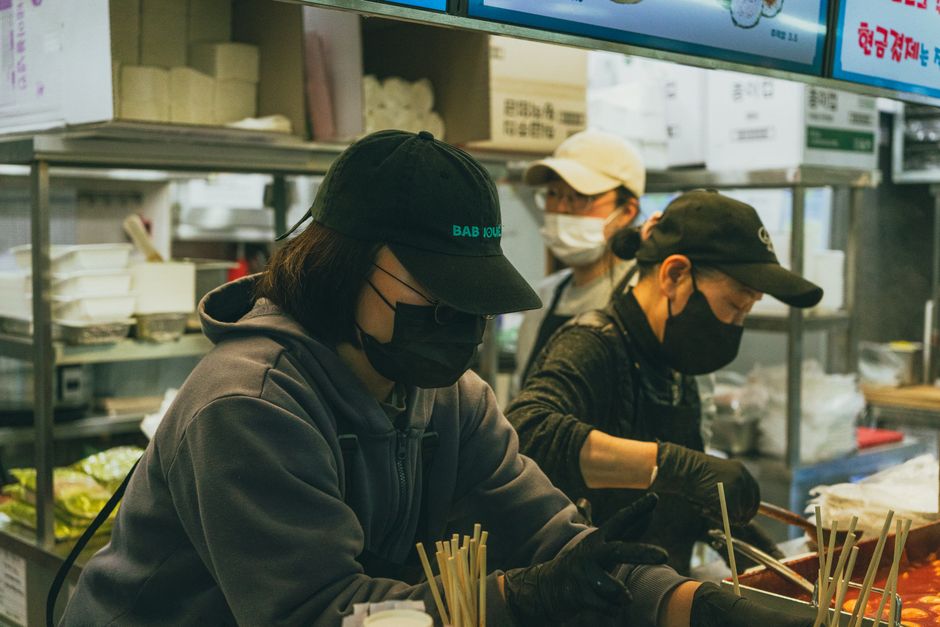
Markets are where many vegetarian travellers spend money on dishes that look safe but are not. A mung-bean pancake can contain pork. Gimbap can contain egg, fish cake, or tuna. Tteokbokki sauce may use anchovy stock. Shared griddles and fryers create another problem.
- Walk through the whole food lane before buying. Look for plain vegetable dishes, fruit, rice cakes, and clearly labeled banchan.
- Show the words 채식이에요, meaning vegetarian, or 비건이에요, meaning vegan, on your phone.
- Ask about meat, fish, shrimp, egg, milk, garlic, and scallions separately. A single yes-or-no question is too vague.
- Watch the cooking surface. If meat is frying beside the vegetable pancake, ask for a clean pan or skip it.
- Buy one small portion first. The stall’s answer and the food in front of you should match.
The best market order
At Gwangjang Market, begin with a plain vegetable item only after the vendor confirms its ingredients. Do not assume Soonheenae Bindaetteok is vegetarian; the stall is known for mung-bean pancakes and meatballs, so ask for the exact pancake mixture and cooking surface. Mayak gimbap is also a question, not an automatic safe choice. Gwangjang’s food alley operates later than the general market, but the official listing says the main market is closed Sundays, so a weekday or Saturday visit gives you the strongest choice.
Do you need vegan, halal, or allergy-safe food?
What Korean words should you know?
Use short, specific terms. Gogi means meat. Yuksu means broth and may contain beef, pork, chicken, or anchovy. Myeolchi means anchovy. Saeu means shrimp. Gyeran means egg, and u-yu means milk. For garlic and scallions, say maneul and pa. Showing the terms in Korean is more reliable than repeating the English word vegetarian.
Vegetarian is not the same as vegan
Many Korean dishes called vegetarian still contain egg, milk, fish sauce, shrimp paste, or anchovy broth. Temple cuisine is often the best starting point for vegans, but ask about dairy and the restaurant’s own adaptation. A dish can be meat-free without being vegan. It can also be vegan in ingredients but cooked beside meat.
When should you skip the dish?
Skip it when the server cannot answer, the ingredients are pre-mixed, or the cooking surface is shared and cannot be cleaned. This matters most with severe allergies. A translation card helps, but it does not remove kitchen risk. Choose a restaurant with a short, clear menu and enough time for questions. Paying for certainty is cheaper than losing a travel day to a reaction.
Which Seoul vegetarian restaurants deserve your budget?
Choose Balwoo Gongyang for culture
Balwoo Gongyang is the clear choice for a destination meal. It is operated by the Cultural Corps of Korean Buddhism near Jogyesa and serves set courses built around temple-food traditions. The current Seoul listing gives a Seon lunch course at ₩36,000 and a Won course at ₩50,000, with a break from 15:00 to 18:00 and last order at 19:40. Reserve ahead for a late-spring weekend. Do not arrive at 15:30 expecting an early dinner.
Choose Maji for price and palace access
Maji is the practical winner for travellers who want traditional Korean vegetarian food without spending a full afternoon budget on one meal. Its listed Today’s Set is ₩11,000, while lunch or dinner courses are ₩23,000. The restaurant sits near Jahamun-ro, making it an easy partner for Gyeongbokgung and Seochon. Confirm Sunday and Monday hours before walking over because the schedule is shorter on those days.
Sanchon is another established name in Insadong and focuses on seasonal vegetable and mountain-herb dishes. Choose it when the setting and traditional spread matter more than the lowest bill. Skip any restaurant that promises a fixed experience but cannot confirm opening hours, course price, or vegan substitutions. Late spring fills Seoul’s popular dining rooms, and a closed door is the most expensive meal plan of all.