
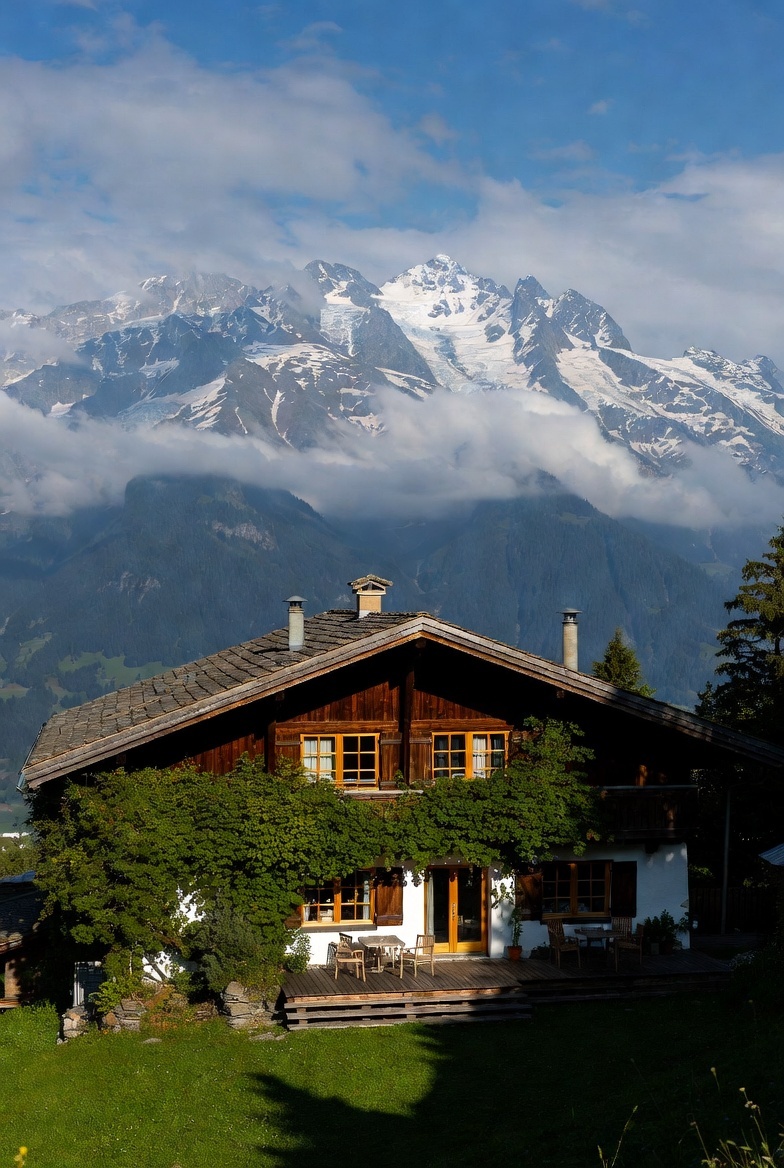
Why Choose Eco-Friendly Hostels in the Alpine Foothills
The Alpine region draws millions each year, but this tourism also impacts the environment—think high emissions from cars and large hotels, waste, and energy use. Choosing eco-friendly hostels in the Alpine foothills helps reduce this footprint. Compared to hotels, these hostels often have:
- Lower emissions due to smaller scale and shared facilities
- Use of green certifications ensuring sustainable practices
- Focus on renewable energy and waste reduction
Benefits for Travelers
Eco hostels offer many perks that go beyond sustainability:
| Advantage | What It Means For You |
|---|---|
| Budget-friendly stays | Affordable dorms and private rooms |
| Social atmosphere | Meet fellow eco-conscious travelers |
| Close to hiking trails | Step right into nature from your doorstep |
| Access to public transport | Easy, low-impact travel around the foothills |
Why the Foothills?
Towns like Annecy, Interlaken, Innsbruck, and Chamonix are perfect bases. The foothills offer:
- Milder terrain and climate—great for all seasons
- Year-round appeal—summer hiking, winter skiing, and shoulder-season adventures
- Easy transport connections—get around with trains and buses, no car needed
By choosing sustainable hostels here, you enjoy the stunning Alpine experience while keeping your trip kind to the planet. It’s smart, social, and environmentally friendly travel made simple.
What Makes a Hostel Truly Eco-Friendly?
Choosing a sustainable hostel means looking beyond just a low price. True eco-friendly hostels at the foot of the Alps focus on several key factors:
| Eco Criteria | What It Means |
|---|---|
| Renewable Energy | Solar, wind, or hydro power to reduce emissions |
| Waste Reduction | Recycling, composting, and limiting single-use plastics |
| Organic & Local Food | Serving seasonal produce that supports local farms |
| Eco-Building Materials | Using sustainably sourced wood, recycled materials |
| Water Conservation | Low-flow taps, rainwater harvesting, greywater reuse |
Many green hostels also carry certifications like EU Ecolabel, Green Key, or Clef Verte. These badges ensure the hostel maintains high standards in energy efficiency, waste management, and environmental education. You’ll often find additional eco-friendly services such as:
- Composting programs
- Bike rentals to avoid car use
- Carbon offsetting options for travelers
Hostels vs. Hotels on Sustainability
| Aspect | Eco Hostels | Hotels |
|---|---|---|
| Energy Use | Lower per guest via shared spaces | Generally higher per guest |
| Waste Management | Active recycling & composting | Often less emphasis on recycling |
| Food Sourcing | More local & organic options | More imports, less organic focus |
| Social Impact | Community-driven, budget-friendly | Luxury focus, higher resource use |
| Green Certifications | Common, especially in European Alps | Less common outside high-end eco hotels |
Staying in eco-friendly youth hostels in the Alps foothills means supporting sustainable tourism without compromising on comfort or location. These hostels provide a nature-friendly dorm or private room while helping reduce the overall environmental footprint you leave behind.
For travelers interested in organic food options and low-impact hiking, this style of accommodation aligns perfectly with responsible travel in the Austrian Alps and beyond. It also offers budget stays closer to nature, avoiding the overheads that come with larger hotels.
Top Eco-Friendly Hostels in the Alpine Foothills
If you’re planning a stay in sustainable hostels Alps-wide, the foothills offer some of the best eco-friendly options where nature meets responsible travel.
French Alps Foothills
In the Chamonix and Annecy area, HI Chamonix is a classic green youth hostel with shared facilities and renewable energy use, perfect for budget travelers keen on sustainable tourism Chamonix-style. Nearby, the Moontain Hostel offers organic food options and waste reduction initiatives, all within walking distance of Mont Blanc views. For more secluded stays, consider ecolodges focused on low-impact hiking hostels experiences, combining comfort with nature-friendly dorms near mountains.
Swiss Alps Foothills
Around Interlaken and Saas-Fee, you’ll find WellnessHostel4000, which pairs sustainable practices like solar energy and organic meals with wellness-focused features. Balmers Hostel stands out with WWF partnerships emphasizing nature conservation, sustainable tourism, and social atmosphere in its green youth hostels Switzerland network. The Youth Hostel Interlaken is also notable, striking a balance between affordability and eco-labeled hostels Switzerland standards.
Italian Alps Foothills
In regions like Trentino and Aosta Valley, eco backpacker accommodation Italian Alps options include L’Ost in Val di Cembra, proud of its use of organic local food and renewable energy. Pania Forata in the Apuan Alps offers environmentally friendly stays Italian Alps-wide, with eco-building materials and initiatives like composting, making it ideal for responsible travel Austrian Alps visitors seeking similar values.
Austrian Alps Foothills
Near Innsbruck, eco-hostels combine easy access to alpine trails with practical sustainability measures. These hostels often feature renewable energy systems, water conservation, and bike rentals to encourage low-impact exploration. Guests appreciate the mix of urban-alpine atmosphere and nature-friendly dorms near mountains, with prices generally budget-friendly for alpine foothills budget stays.
Each hostel offers a unique combination of green certifications and sustainability efforts, catering to travelers who want to enjoy the Alps responsibly without breaking the bank. Whether you’re after carbon-neutral Alpine accommodation or organic food backpacker lodges, these foothill spots deliver both comfort and conscience.
For additional tips on eco-conscious travel and sustainable stays, you might find insights on plant-based meals and ecolodges useful for planning your trip abroad.
Best Areas for Eco-Hostel Stays at the Foot of the Alps
When choosing sustainable hostels in the Alpine foothills, certain gateway towns stand out for their location and eco-friendly options. Chamonix, nestled near Mont Blanc, offers superb access to low-impact hiking hostels and green tourism activities all year round. The town combines stunning alpine views with a commitment to sustainable tourism, making it ideal for eco backpacker accommodation in the French Alps.
Interlaken in the Swiss Alps foothills is another top choice. Situated between two beautiful lakes and under the watchful gaze of the Jungfrau, it’s famous for green youth hostels like Youth Hostel Interlaken and Balmers Hostel, which partner with environmental groups. This area supports carbon-neutral Alpine accommodation, with plenty of eco-friendly stays focused on reducing emissions and encouraging public transport use.
Moving to the Italian Alps, Annecy offers a charming mix of lake-side beauty and an old town vibe. It’s a perfect base for responsible travel in the Alpine foothills, especially for those seeking organic food backpacker lodges and nature-friendly dorms near mountains. For a slightly more urban-alpine mix, Innsbruck in Austria combines city culture with easy access to sustainable tourism and eco-building hostels in the surrounding foothills.
Seasonal Tips for Visiting
- Summer: Ideal for low-impact hiking hostels, mountain biking, and wildlife spotting.
- Winter: Perfect for eco-hostels near ski areas that prioritize energy-saving measures and green certifications.
- Shoulder seasons: Offer fewer crowds and better deals while still giving access to nature-friendly dorms and sustainable hostels.
If you want to explore how to stay nourished and eco-conscious while traveling, check out this guide on how to stay nourished on long bus rides in Latin America, which offers smart tips for sustainable packed meals and reusable items—great for any backpacker on the go in the Alps.
Sustainable Activities from Your Hostel Base
Staying at eco-friendly hostels in the Alpine foothills puts you right where sustainable adventures begin. Many hostels are perfectly located near hiking and biking trails that start just outside their doors—ideal for low-impact hiking hostels and green youth hostels Switzerland-wide. Whether you want a leisurely bike ride around scenic lakes or a challenging day trek in nature, these trails let you explore without needing a car.
To keep your trip green, take advantage of excellent public transport options. Trains and buses link towns like Annecy, Interlaken, and Innsbruck, helping you minimize emissions and avoid traffic jams. Many hostels even provide info on local transport schedules or offer bike rentals to get you further on two wheels.
For truly responsible travel Austrian Alps or beyond, look for eco-experiences such as wildlife spotting tours, visits to organic farms, or low-impact adventure sports like paddleboarding or guided nature walks. These activities support local conservation efforts and encourage sustainable tourism Chamonix and other Alpine foothill hotspots promote. By choosing these options, you enjoy an environmentally friendly stay while connecting more deeply with the region’s natural beauty and culture.
Practical Tips for Booking and Staying Green
Finding truly sustainable hostels in the Alpine foothills is easier with the right tools. Use platforms like Ecobnb, Hostelworld’s green filters, or the HI network, which specialize in listing eco hostels with verified green certifications. These make spotting responsible travel options simple and reliable.
When packing for your eco-friendly stay, bring reusable essentials—water bottles, utensils, and bags—to cut down on waste. Supporting local economies by buying food, crafts, or services nearby helps communities and keeps your trip sustainable.
Arriving by train or bus is one of the best ways to reduce your carbon footprint. Many Alpine foothills hostels are well connected by public transport, plus some offer incentives like discounted stays for guests who arrive car-free. Consider carbon offsetting options to further neutralize your travel emissions.
Budget-wise, eco-friendly hostels typically range from affordable dorm beds to reasonably priced private rooms, often cheaper than hotels. To save more, book early, travel in shoulder seasons, or look for packages that include sustainable activities. For more tips on budget stays in Europe, check out these surprisingly affordable options for travelers interested in sustainable tourism.