
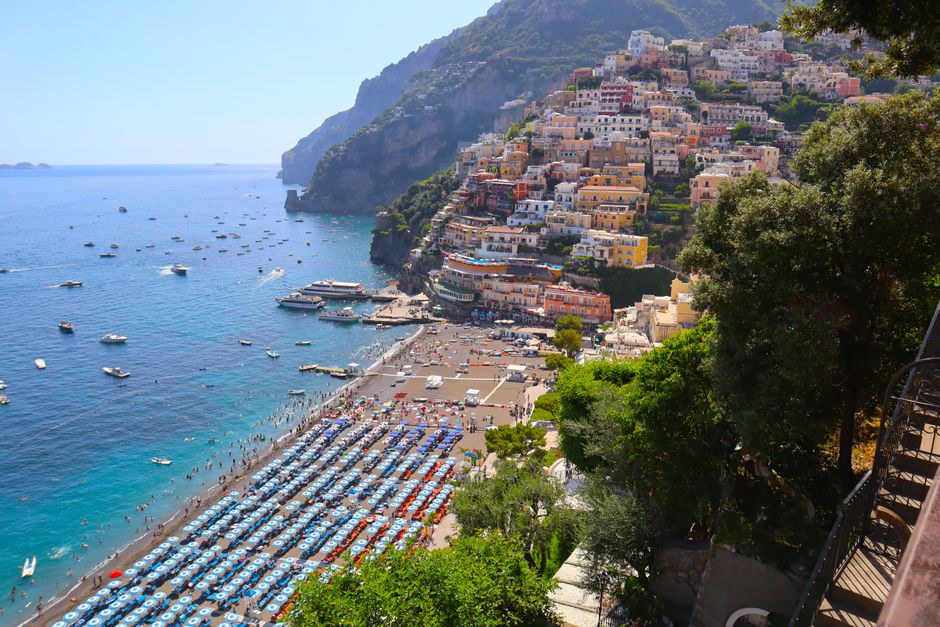
Around 68% of European beach hotels report their highest occupancy in August — not September. The weather gap between the two months? Negligible. That’s the arbitrage smart travelers quietly exploit every year.
September is when the Mediterranean sea temperature actually peaks in several locations, school terms restart across Europe and North America, and flight prices drop by 15–35% on the most popular routes. The crowds thin. The prices fall. The sun largely stays.
Why September Consistently Outperforms August for Travel
The logic feels counterintuitive. August has the peak-summer reputation, but that reputation is precisely what makes it unpleasant: packed beaches, inflated rates, restaurant queues measured in hours, and entry lines at every major landmark.
September breaks that pattern for three structural reasons.
First, school calendars. In the UK, France, Germany, and most of Europe, children return to school in the first two weeks of September. Families — the largest bloc of package holiday bookings — exit the market almost overnight. Occupancy at major Mediterranean resorts typically falls 25–40% between the last week of August and the second week of September.
Second, sea temperatures. The Mediterranean doesn’t cool until October. In Crete, the average sea temperature in September sits at 25°C (77°F), slightly warmer than July’s 23°C. The Algarve’s sea temperature holds at 20–21°C through September. You’re swimming in water the ocean spent three months heating up.
Third, pricing. Return flights from London to Athens in August regularly hit £300–420. The same route in September typically runs £160–240. A four-star hotel in Santorini charging €450 per night in August often lists at €200–280 in September. The product is identical. The price is not.
There’s a fourth factor: light. September delivers 12–13 hours of daylight across southern Europe. Golden hour arrives at a workable time, which matters if you’re photographing Oia’s famous sunset or hiking the Cinque Terre path before the heat builds.
Who Should Prioritize September Travel
Anyone without school-age children has almost no logical reason to travel in August over September. Couples, solo travelers, retirees, and remote workers get strictly better conditions at lower prices. The only exception is if your employer mandates August leave or you’re part of a family group with no schedule flexibility.
The One Genuine Caveat
Weather windows narrow as the month progresses. By late September, Atlantic-facing destinations — western Portugal, northern Spain’s coast — can turn changeable. Book the first two to three weeks of September, not the last. Southern Mediterranean stays reliable through the entire month without qualification.
Mediterranean Destinations Still Blazing in September
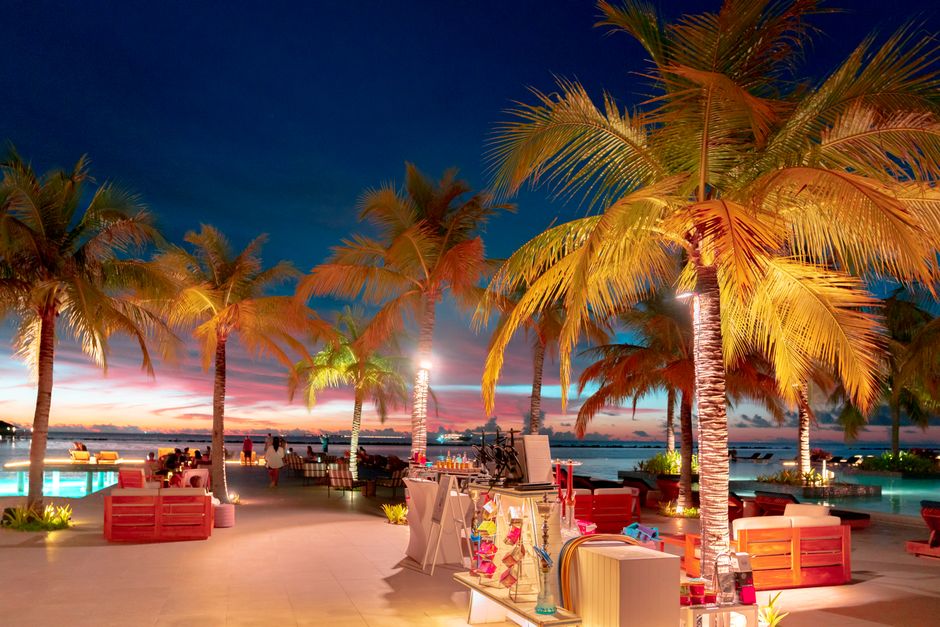
Five of the most popular European zones compared by actual September weather data:
| Destination | Avg Air Temp (°C) | Sea Temp (°C) | Avg Rainfall (mm) | Crowd Level vs August |
|---|---|---|---|---|
| Santorini, Greece | 24 | 25 | 7 | –35% |
| Dubrovnik, Croatia | 22 | 24 | 55 | –30% |
| Algarve, Portugal | 23 | 20 | 13 | –40% |
| Amalfi Coast, Italy | 23 | 24 | 40 | –25% |
| Malta | 27 | 26 | 4 | –20% |
The Best Pick From This List
Malta. It runs the hottest, driest September numbers of any European island and remains comparatively under the radar against Greece and Croatia. The Valletta Grand Harbour in September has space to breathe. Four-star hotels in St Julian’s run €80–150 per night, and the Blue Lagoon on Comino island is actually accessible without August’s boat queues three-deep.
Greece vs Croatia: The Honest Comparison
Santorini wins for photographs and romantic atmosphere. Crete wins for value — solid 4-star accommodation in Heraklion runs €90–130 per night in September, and the beach towns of Chania and Elounda don’t charge Santorini’s island premium. Dubrovnik’s old city walls are genuinely exceptional, but the Game of Thrones tourism effect hasn’t faded, and even with lower September crowds, the city’s footprint is small enough that it still feels crowded in the core streets. Split is the better Croatia pick — larger, cheaper, and Diocletian’s Palace is walkable without shoulder-to-shoulder conditions.
Bottom Line: Malta offers the best September value in Europe. If Greece is non-negotiable, book Crete over Santorini and save €100–200 per night without a meaningful weather downgrade.
Southeast Asia in September: Where to Go and Where to Bail
This is the section most travel listicles skip because it requires saying no. Southeast Asia in September is a minefield if you pick the wrong destination — and most popular picks are the wrong destination.
Bali: Southern Bali — Seminyak, Kuta, Canggu — starts seeing regular rain from September. Not constant downpours, but afternoon showers that break beach days. Ubud, being inland and at higher elevation, handles it better. Munduk in the northern highlands stays drier still. If Bali is your target, the beach-resort version of it doesn’t work well in September.
Thailand: Phuket and Krabi are in full monsoon. Koh Samui on the Gulf coast is worse — September is among its wettest months, averaging 200–300mm of rainfall. Chiang Mai in the north also gets significant rain. The marketing images of Thailand you’ve seen were not taken in September.
Vietnam: Central Vietnam — Hoi An, Da Nang, Hue — sits in typhoon season. Hanoi’s rainy season peaks in August and September. Ho Chi Minh City is marginally drier but still wet. Phu Quoc’s dry season runs November through April. None of these are September beach destinations.
Where Southeast Asia Actually Works in September
Cambodia. Siem Reap and Angkor Wat sit in a drier corridor compared to coastal Vietnam and Thailand. You’ll still get some rain, but the temples are far less crowded than peak season (November–March), the landscape is lush green, and the Mekong fills dramatically. Angkor Wat with early-morning mist and vivid rice paddies in September looks nothing like the dry-season postcard version — and that’s genuinely not a bad thing. Budget guesthouses in Siem Reap run $25–50 per night in September, and even mid-range properties like the Shinta Mani Angkor sit at a fraction of their December rates.
The Philippines in September
Palawan — El Nido and Coron — runs from November to May as dry season. September puts you in direct typhoon exposure. The Philippines in September is for experienced divers who’ve verified specific site conditions, not first-timers booking from resort Instagram accounts.
Five North America Destinations That Peak in September
- New York City — Post-Labor Day, hotel prices fall noticeably and the oppressive humidity of July and August disappears entirely. Average temperature lands at 18–22°C. Midweek rates in Manhattan drop to $180–260 at solid 4-star properties that run $350+ in summer. September is arguably NYC’s best month, and the pricing hasn’t caught up to that fact.
- Banff, Alberta — The larch trees turn golden yellow in late September, a two-week window that Banff regulars treat as the park’s best-kept secret. Lake Louise and Moraine Lake are still intensely blue. Temperatures range from 5–15°C, so pack layers. Parks Canada requires shuttle reservations for Moraine Lake even in September — book the Plain of Six Glaciers trail slots well ahead.
- San Francisco — September and October are genuinely San Francisco’s warmest months. The summer fog retreats and the bay opens up to consistent 18–22°C sunshine. The combination of city culture, Napa Valley day trips, and Marin headlands hiking is hard to match at this time of year at these prices.
- Tulum, Mexico — Hurricane season technically covers September, but Tulum’s Yucatán position tends to avoid direct hits. Boutique hotels along the beach road have real availability, the cenotes are quiet, and return flights from US East Coast airports run $200–350. Get travel insurance and book refundable accommodation — the weather upside is real, but so is the risk.
- New England — Foliage starts in Vermont and New Hampshire from mid-to-late September. Peak color arrives in October, but September delivers the first reds and oranges without peak foliage tourism pricing. Route 100 through Vermont’s Mad River Valley is reliably photogenic from the third week of September onward, and inn prices sit 20–30% below October peak.
The September Price Drop Is Real and Significant
A two-week Mediterranean trip in September costs roughly 25–35% less than the same itinerary in August. On typical flight and accommodation spend, that gap is £400–800 in savings — enough to upgrade your hotel tier and still come out ahead on total cost. The beaches are identical. The sea temperature is higher. The crowd is smaller. The math is not complicated.
Common September Travel Questions
Is September too cold for beach holidays in Europe?
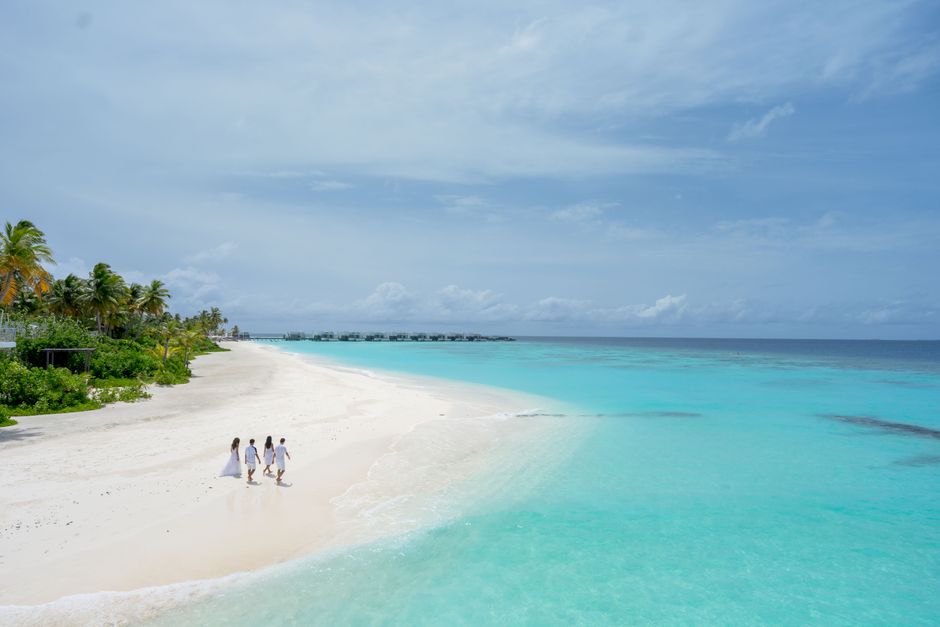
No. This misconception persists because “end of summer” sounds like it should mean cooler conditions. It doesn’t — not in the Mediterranean. Sea temperatures peak in September across Greece, Italy, and Malta. Air temperatures across southern Spain, Greece, and Malta average 22–27°C through the entire month. Malta averages 27°C air temperature and 26°C sea in September. You’re not packing jumpers for a Cretan beach in early September.
Are the Canary Islands a reliable September alternative?
Significantly underrated. Lanzarote, Tenerife, and Gran Canaria run their hottest September temperatures — around 26–28°C — with virtually zero rainfall. They’re closer to northern Europe than most Mediterranean destinations (3.5–4 hour flights from the UK), and September rates are lower than winter peak season when northern Europeans arrive in volume. For guaranteed sun with minimal weather risk, the Canaries are a more dependable bet than Portugal’s Atlantic coast in late September.
Should I avoid Southeast Asia entirely in September?
For beach holidays, mostly yes. The monsoon and typhoon patterns across Thailand, Vietnam, Bali, and the Philippines create genuinely poor beach conditions. Cambodia works well for temple tourism. Lombok in Indonesia tends to run marginally drier than southern Bali in September and is worth considering if you want Indonesian islands over temples — though check forecasts carefully before booking non-refundable resorts.
Is Japan worth a long-haul flight in September?
Yes, with timing awareness. Early September in Tokyo averages 26–27°C with moderate humidity. Late September drops to a comfortable 21–23°C. Hokkaido starts showing genuine autumn foliage by late September — the only part of Japan where you’ll see fall color this early. Typhoon risk is real in the first half of September; check Japan Meteorological Agency forecasts when planning and avoid booking non-refundable internal travel before you land.
Long-Haul Destinations Worth the Miles in September
Kenya’s Masai Mara in September is the best safari timing anywhere in the world. The Great Migration river crossings — wildebeest crossing the Mara River under predator pressure — peak between July and early October. Late August through September concentrates the most dramatic predator-prey interactions of the year into a compressed window. Asilia Africa and &Beyond both operate Masai Mara camps; expect to pay $4,000–8,000 per person for a 7-night stay including accommodation, meals, and twice-daily game drives. Expensive, yes. But nothing else produces a comparable experience at any price point, at any time of year, anywhere.
Morocco makes sense if Kenya’s price tag isn’t viable. Marrakech cools from its brutal July and August peak of 36–38°C down to a manageable 28–30°C in September. The souks, the Djemaa el-Fna square, and Atlas Mountain day trips are all dramatically more enjoyable at 28°C than 38°C. Riad accommodation inside the medina runs €60–150 per night in September, compared to €90–220 during winter peak season when Europeans arrive in volume.
South Africa: Spring Opens in September
Cape Town’s spring starts in September. The Cape Floral Kingdom blooms across the peninsula, temperatures climb from 16°C toward 20°C, and whale watching off Hermanus runs through November. It’s not beach weather by Cape Town’s own standards, but the light quality is extraordinary and the Garden Route operates without December–January peak crowds. Compare to summer (December–February) when Cape Town hits 28°C but accommodation roughly doubles and the V&A Waterfront becomes difficult to navigate on foot.
Japan: The Autumn Opening
Hokkaido’s autumn foliage starts in late September — the earliest anywhere in Japan. Tokyo and Kyoto won’t peak until October and November, but September in Japan means post-summer pricing, manageable temple crowds, and the beginning of the cultural calendar. The ryokan experience along the Nakasendo trail between Nagoya and Kyoto is exceptional in September, with accommodation running ¥15,000–35,000 per person per night including dinner and breakfast — and far more availability than the spring cherry blossom season allows.