
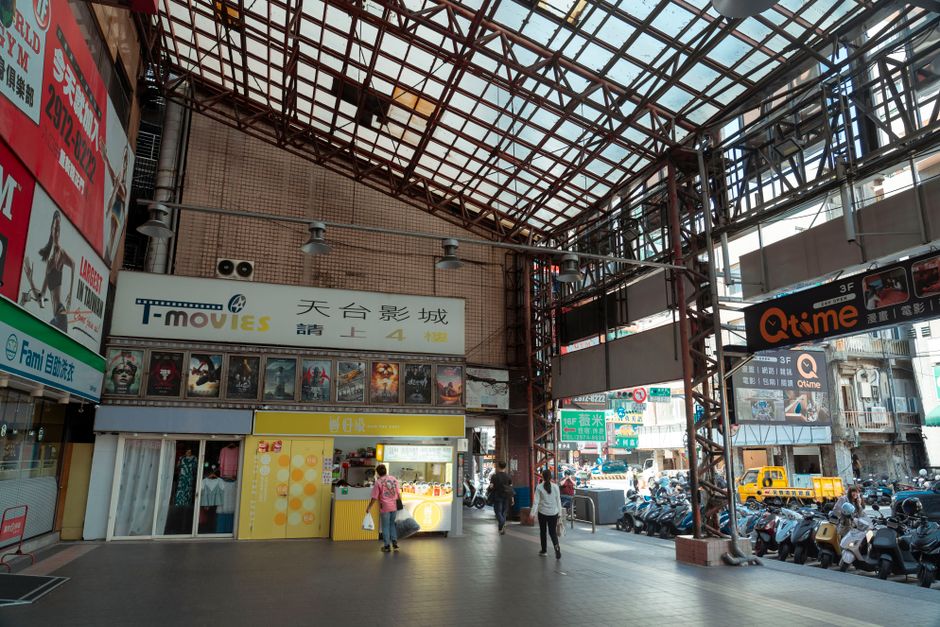
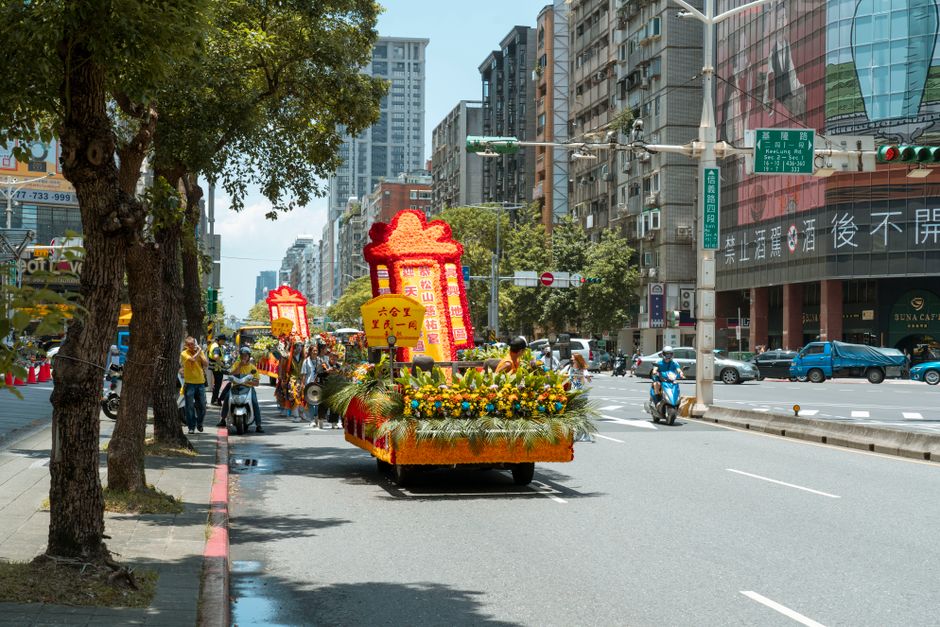
Taipei’s official 2026 Lunar New Year festival runs for 16 days, from January 31 to February 15, before New Year’s Eve on February 16 and the first holiday day on February 17. That long festive window creates a useful advantage for vegetarian travellers: you can eat exceptionally well, but only if you separate temple food, dedicated vegetarian restaurants, and ordinary night-market stalls. The official 2026 festival listing confirms the Dihua Street dates, but it does not guarantee that every nearby restaurant will open on every holiday day.
What vegetarian means in Taipei during Lunar New Year
The label 素食 is a starting point, not a full answer
Taiwan has a deep Buddhist and folk-religious vegetarian tradition, so the Chinese character 素 appears far more often than many visitors expect. A shop marked 素食 may serve vegetarian food, but the exact rules still vary. 全素 or 純素 usually means vegan; 蛋素 allows eggs; 奶素 allows dairy; and 奶蛋素 allows both. 植物五辛素 is plant-based but may include onion, garlic, leek, chive, or asafoetida. That last detail matters in temple cooking, because some Buddhist diners avoid the five pungent roots even when they eat no animal products.
Why temple food tastes different
Temple-style dishes often rely on mushrooms, tofu, wheat gluten, fermented bean curd, sesame, ginger, and carefully prepared vegetable stock instead of meat stock. The food is not simply a meat dish with the meat removed. A buffet may offer braised tofu, fried oyster mushrooms, rice noodles, mock duck, steamed greens, dumplings, and sweet red-bean desserts. Some dishes are mild and clean; others are rich with oil, five-spice powder, or fermented sauces.
The best first move
Decide your rule before you arrive. If eggs, dairy, or alliums are acceptable, night-market eating becomes easier. If you are strict vegan, carry the phrases 全素 or 純素 and ask about broth, lard, fish sauce, oyster sauce, and shared frying oil. For most travellers, a dedicated vegetarian restaurant is the safest anchor meal, while markets work better for snacks and atmosphere.
How to order safely when you cannot read the menu
- Show the right Chinese phrase. Use 我吃全素 for strict vegan food, 我吃蛋奶素 for egg-and-dairy vegetarian food, or 我吃素 for a broad vegetarian request. Say 不要蔥蒜韭菜 if you also avoid onion, garlic, and chives.
- Ask about the cooking base. A vegetable-looking bowl can still contain chicken stock, bonito flakes, shrimp paste, lard, or oyster sauce. Ask 這個有肉嗎? for meat, 有魚嗎? for fish, and 有蛋奶嗎? for egg or dairy.
- Check the cooking surface. A vegetarian label does not always mean a separate fryer, grill, or soup pot. If cross-contact matters, ask whether the food shares oil with meat or seafood. A stall that cannot answer clearly is not the right stall for a strict diet.
- Use the visual clues carefully. 素, 全素, 純素, 蛋素, and 奶素 are useful signs. 鍋邊素 means eating only the vegetables from a pot that may also contain meat, so it is not suitable for strict vegetarians. English translations can be less precise than the Chinese label.
- Buy one small item first. Test a stall with steamed vegetables, sweet potato, fruit, or a clearly labeled vegetarian dumpling before spending your whole dinner budget. This reduces the risk of discovering hidden stock after ordering three dishes.
The most common mistake is treating vegetarian as a single fixed category. Taipei’s food culture contains religious vegetarian cooking, modern vegan restaurants, flexible home cooking, and stalls that simply remove the visible meat. Those are different levels of protection. Clear questions work better than a long explanation in English, especially when the market is noisy and the queue is moving.
Where to find temple food near Dihua Street
Dihua Street is the strongest Lunar New Year starting point because it combines seasonal shopping, old temples, dried fruit stores, tea shops, and access to the Cisheng Temple Food Street. The city tourism listing places Cisheng Temple Food Street near Dihua Street and shows regular hours of roughly 07:00 to 18:00, but holiday schedules can change. Visit in the morning or early afternoon, then treat the night market as a separate stop.
| Area | Best time | Vegetarian strategy | Typical food budget |
|---|---|---|---|
| Dihua Street | 09:00–15:00 | Buy fruit, nuts, tea, sesame sweets, and packaged festive snacks; check ingredients carefully. | NT$100–400 |
| Cisheng Temple Food Street | 07:00–12:00 | Look for clearly marked 素 dishes and ask about soup stock and five pungent roots. | NT$80–250 |
| Ningxia Night Market | 17:30–21:00 | Choose labeled vegetarian stalls, then confirm frying oil and sauces. | NT$150–400 |
| Longshan and Huaxi area | 16:00–20:00 | Pair the temple visit with a planned vegetarian restaurant rather than relying on random stalls. | NT$200–500 |
What to buy on Dihua Street
Look for unsalted or lightly salted nuts, dried fruit, candied kumquat, sesame candy, tea, rice crackers, and vegetarian cakes. Meat jerky and sausage dominate many New Year displays, so read ingredient panels instead of judging by appearance.
The practical verdict
For temple atmosphere and the best chance of finding traditional vegetarian food, choose Dihua Street plus Cisheng Temple in daylight. Do not arrive after 18:00 expecting the temple food area to function like a night market. The Taipei tourism listing for nearby Dihua attractions is a useful planning reference, but confirm holiday hours locally.
Which Taipei night market works best for vegetarians?
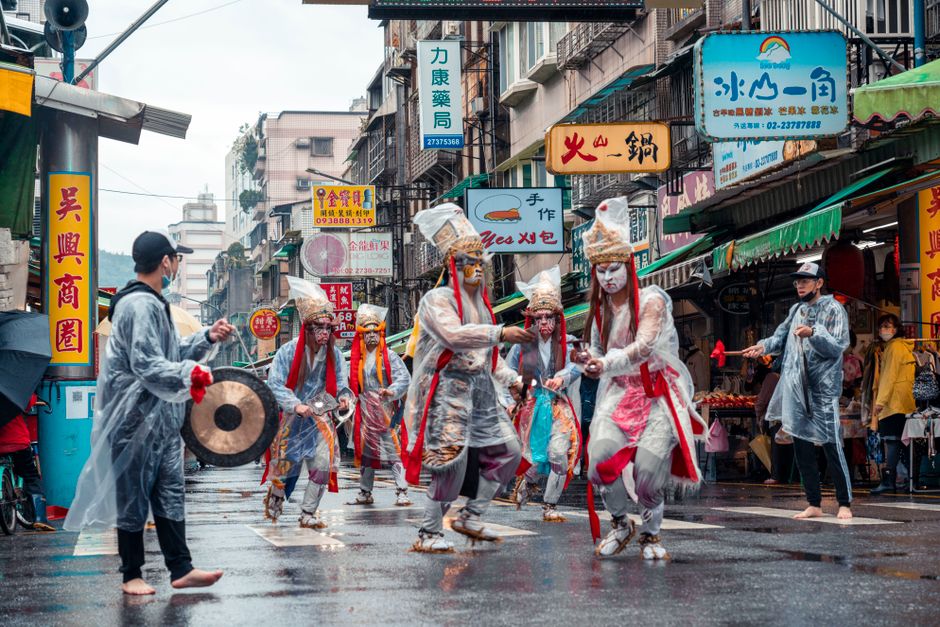
My pick: Ningxia for food, Shilin for variety
Ningxia is the better first choice for a vegetarian traveller who wants a concentrated food walk and a manageable route near Dihua Street. It is still meat-heavy, and the most famous stalls may not suit you, but its compact layout makes it easier to inspect signs and move on. Shilin offers more space and more vegetarian possibilities, including dedicated stalls in the market complex, but it takes longer to search and can feel chaotic during the holiday rush.
What to avoid at the busiest moment
Do not enter a packed stall line just because the queue is long. Popularity proves demand, not dietary suitability. Skip stalls where vegetarian food is cooked on the same griddle as pork, where the oil is visibly shared, or where the seller cannot identify the sauce. Fried sweet potato, grilled corn, fresh fruit, plain tea, and clearly marked vegetable dumplings are safer starting points than imitation meat with an unknown glaze.
Verdict: choose Ningxia for a focused vegetarian-friendly evening, Shilin for a larger group with mixed diets, and do not make Raohe your only plan if strict vegan eating is non-negotiable.
Which festive dishes should a vegetarian try?
What has symbolic meaning?
New Year foods carry wishes as much as flavour. Pineapple suggests prosperity because its Taiwanese name sounds like arrival of good fortune. Tangerines and oranges represent luck and wealth. Long noodles suggest longevity, while sticky rice cakes represent progress or a higher position. Vegetarian versions of these foods are common, but the filling and seasoning still need checking. A turnip cake may contain dried shrimp, and a vegetable dumpling may use lard or seafood stock.
Are vegetarian versions worth seeking out?
Yes, especially for sticky rice cake, sesame sweets, peanut candy, mushroom dumplings, braised tofu, vegetarian hot pot, and rice-based desserts. Mock fish and mock meat are less predictable because some sauces contain seafood or animal stock. The best festive meal is often a combination of plain steamed greens, mushroom dishes, tofu, noodles, and one sweet item rather than a plate built entirely around imitation meat.
Where do restaurant meals fit?
Use a restaurant as your reliable dinner when the market has become too crowded. Taipei restaurants such as Loving Hut, Ooh Cha Cha, and Yang Shin Vegetarian give travellers different price levels. A Taipei Loving Hut menu lists rice stews around NT$160 and noodle soups around NT$150; current dining guides place Ooh Cha Cha near NT$400–700 per person and Yang Shin Vegetarian lunch sets around NT$800–1,500. Menus and holiday hours change, so treat those figures as planning ranges, not guaranteed prices.