

How to Book a Vegetarian Honeymoon Package Without Overpaying
Are you trying to plan the most romantic trip of your lives — and quietly worried you’ll spend it negotiating with a chef about what’s actually in the sauce?
That’s a real problem with most “dream honeymoon” packages. They’re built around seafood feasts, beachside grills, and continental breakfasts where the vegetarian option is a single hard-boiled egg. Choose wrong, and you’re spending your honeymoon explaining your diet instead of enjoying it.
The solution isn’t luck. It’s knowing which destinations genuinely support plant-based eating, how to read a package before you hand over a deposit, and which booking moves save real money.
What Do Vegetarian Honeymoon Packages Actually Include?
Is “dietary accommodations available” a real guarantee?
No. That phrase is travel-industry shorthand for “we’ll try.” It carries no legal weight and no operational guarantee.
What you need is a property with a dedicated plant-based menu that exists by default — not a pasta dish with the chicken removed. When evaluating any package, ask the operator directly: “Can you send me the current restaurant menu?” Properties that are genuinely vegetarian-friendly publish their menus and respond quickly. Soneva Fushi in the Maldives operates dedicated vegetarian tasting menus across multiple restaurants — not a request-based modification service. That’s the standard worth holding out for.
How many meals does a typical honeymoon package cover?
Entry-level honeymoon packages almost always include breakfast only. Mid-range packages add either lunch or dinner. Full-board (all three meals) is worth the upgrade when your destination is remote — Maldives island resorts charge $80–$150 per person per dinner at on-site restaurants. Locking full-board at a package rate can save $400–600 over seven nights.
For most couples, half-board (breakfast + dinner) is the sweet spot. It gives you freedom to explore local food at lunch while ensuring at least one properly considered meal per day is guaranteed.
Are boutique hotels better than chain resorts for plant-based travelers?
Generally yes — and significantly so. Independent boutique hotels and eco-lodges cook from scratch, use local produce, and adapt readily. Finca Rosa Blanca Coffee Plantation Resort in Costa Rica runs its restaurant entirely on a farm-to-table model, with meat as the exception rather than the rule. Small riad-style hotels in Marrakech will build a full vegetarian mezze without treating it as an inconvenience.
Chain resorts can work, but they require more vetting. Aman and Four Seasons properties both carry strong reputations for custom dietary menus, though prices reflect that. Large all-inclusive resorts are the hardest category — for reasons covered below.
Five Destinations Where Vegetarian Couples Actually Thrive

Destination matters more than any spa credit or room upgrade. A package in a country with poor plant-based food culture is a worse deal than a cheaper package somewhere food genuinely works for you.
Southeast Asia and the Indian Ocean
Bali, Indonesia remains one of the easiest places in the world to honeymoon plant-based. Ubud has a dense ecosystem of vegan warungs, upscale plant-based restaurants, and health-focused resorts. Alila Ubud offers honeymoon packages from approximately $450 per night including couples’ spa treatments and farm-to-table dining. If you want to extend the trip beyond the main island, Indonesia’s lesser-known islands offer quieter romance with equally good vegetable-forward cuisines and far fewer tourists.
Sri Lanka is chronically underrated for honeymooners. Sri Lankan Buddhist cooking is almost entirely plant-based — a rice and curry spread with six to eight side dishes, none of which need modification. Tri Lanka eco-lodge in the Cultural Triangle offers all-inclusive honeymoon packages from around $350 per night including guided cooking classes. Return flights from London run approximately $550–700 with Sri Lankan Airlines.
South Asia, Europe, and the Americas
Rajasthan, India — particularly Udaipur and Jaipur — delivers one of the world’s most naturally vegetarian regional cuisines, shaped by centuries of Jain and Hindu tradition. The Oberoi Udaivilas (honeymoon suites from $900 per night) and Taj Lake Palace both offer packages with included vegetarian meals that compete with fine dining globally. Budget travelers can stay in heritage havelis for $60–$120 per night and eat just as well at local dhabas.
Tuscany, Italy works for couples wanting European romance without straying far from home. Agriturismo farm stays — properties like Il Borghetto or Fonte de’ Medici — run $200–$350 per night with full-board options built on house-made pasta, local vegetables, and regional olive oil. Italian cucina povera is naturally plant-heavy. You’re not adapting the cuisine, you’re eating it as designed.
Costa Rica suits couples who want nature and food in equal measure. Eco-lodges around the Osa Peninsula and Arenal region pair wildlife experiences with genuinely good local cooking. Lapa Rios Ecolodge offers honeymoon packages from $400 per night with meals included. Produce is local, fresh, and chefs at eco-lodges routinely accommodate plant-based guests without hesitation.
| Destination | Best For | Package Range/Night (couple) | Vegetarian Food Culture |
|---|---|---|---|
| Bali, Indonesia | Culture, spa, nature | $200–$450 | Excellent — dedicated plant-based restaurants widely available |
| Rajasthan, India | Heritage and fine dining | $80–$900 | Outstanding — naturally vegetarian regional cuisine by tradition |
| Sri Lanka | Beach and culture combo | $200–$350 | Very good — Buddhist cooking, minimal modification needed |
| Tuscany, Italy | Romance, wine, countryside | $200–$350 | Good — cucina povera is naturally plant-heavy |
| Costa Rica | Nature and adventure | $250–$400 | Good — eco-lodges adapt readily with fresh local produce |
All-Inclusive vs. Boutique Package vs. Self-Build: Which One Wins?
The hidden cost of all-inclusive buffets for plant-based couples
All-inclusive resorts are designed for volume. A kitchen serving 400 rooms cannot rethink its menu infrastructure for a subset of guests. Caribbean all-inclusive buffets consistently feature token vegetarian options — usually a pasta station and a salad bar — alongside tables of carved meats. Sandals has made real improvements at their Barbados and St. Lucia properties, with dedicated vegetarian and vegan stations now in place. But this is still the exception, not the standard category behavior.
If predictable cost is your priority — no bill surprise at checkout — all-inclusive delivers that. Just walk the buffet on day one and assess honestly before assuming it’ll work for seven nights.
Why boutique packages consistently win for vegetarian honeymooners
A smaller property’s kitchen has the structural flexibility to cook for you specifically. When a chef is covering 30 covers a night instead of 300, modifying a menu or sourcing an extra ingredient is routine. That’s not sentiment — it’s kitchen math.
| Package Type | Vegetarian Risk Level | Typical Price (7 nights, couple) | Best Suited For |
|---|---|---|---|
| All-Inclusive Resort | High — buffet format rarely prioritizes plant-based | $2,500–$8,000 | Couples who want zero planning friction and predictable total cost |
| Boutique / Eco-Lodge Package | Low — small kitchen, direct communication, genuine flexibility | $2,000–$7,000 | Food-conscious couples, nature seekers, experience-first travelers |
| Self-Built (DIY) | Variable — entirely depends on your research quality | $1,500–$5,000 | Experienced travelers who want full control and have time to research |
For most vegetarian couples, boutique or eco-lodge packages are the clear pick. Self-building works if you’re experienced and destination-savvy. Avoid DIY in the Maldives or remote island destinations — logistics there genuinely need a specialist operator.
Stop Choosing a Package for the Photo
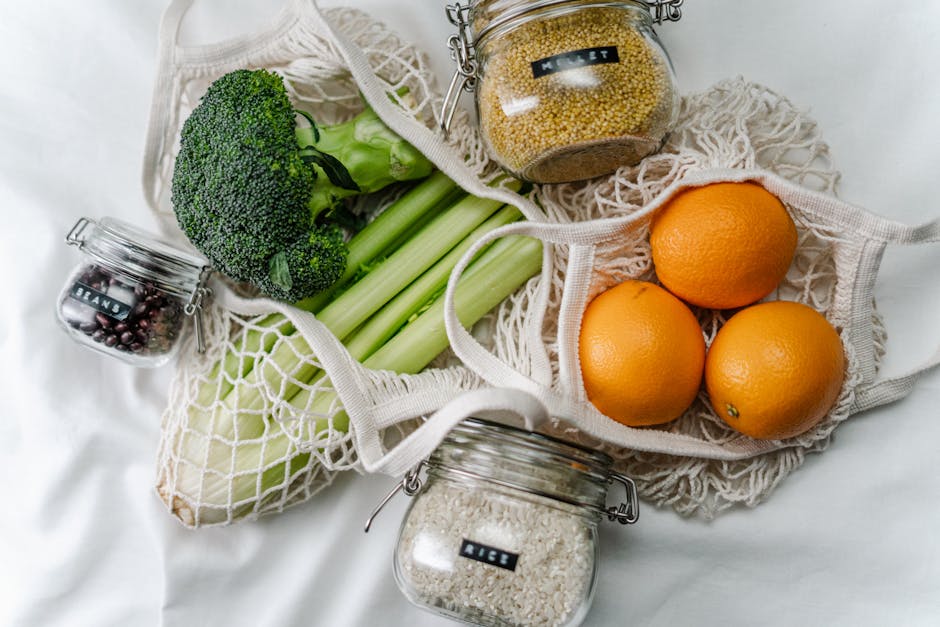
A stunning infinity pool tells you nothing about whether the kitchen has a single plant-based entrée worth ordering. Always verify the food situation first and worry about the scenery second.
Couples who’ve explored Europe already understand this — those who’ve discovered Barcelona’s distinctly vegetable-forward Catalan food scene know that a destination’s culinary culture is the actual product you’re buying. The view is just the background.
Step-by-Step: How to Research and Book Your Honeymoon Package
This seven-step process works whether you have 10 weeks or 10 months of lead time.
- Set a hard budget before opening a single browser tab. Not a range — an actual number. “Up to $8,000 all in” is a decision. “Somewhere between $6,000 and $12,000” is an open invitation for upselling. Packages are priced to expand into whatever ceiling you set.
- Write your non-negotiables in two columns. Column one: food requirements — fully vegan, lacto-vegetarian, flexible pescatarian. Column two: experience requirements — beach, culture, adventure, spa, hiking. This eliminates 60% of destinations before you spend a minute reading reviews.
- Use Google Flights with flexible date search. Set your destination and leave dates open by plus or minus three days. A $300–$400 per-person swing in flight cost is common within the same week. That’s $600–$800 redirected toward the actual stay.
- Search TripAdvisor with the “vegetarian friendly” filter for your shortlisted area. If a location has fewer than eight plant-based-friendly restaurants within 20 minutes of your accommodation, you’ll feel constrained fast — especially on a honeymoon longer than five nights.
- Email the property directly before committing. Not the booking form — actual email to the reservations team. Ask: “Can you share your current restaurant menu? We eat plant-based and want to confirm options before committing.” The speed and specificity of the reply tells you more than any review platform.
- Compare operator packages vs. booking direct. Intrepid Travel and Responsible Travel both offer curated vegetarian-friendly packages and have staff who understand the difference between “we have a vegetable soup” and genuinely plant-based dining. Then price the same components on Booking.com. Sometimes the package saves 15–20%. Sometimes it’s pure markup.
- Use TripIt (free) to organize all your confirmations. It parses booking emails automatically and builds a day-by-day itinerary. Invaluable on multi-stop honeymoons where you’re managing three properties across two airlines.
Using Loyalty Points to Cut What You Actually Pay

If you’re not using hotel and airline points for your honeymoon, you’re paying full price when you don’t have to. This doesn’t require being a points obsessive. Two moves work for most couples.
Which loyalty cards to open before you book
If your honeymoon is six or more months away, sign up for one hotel card and one airline card now. Marriott Bonvoy Boundless ($95/year) and Chase Sapphire Preferred ($95/year) offer the clearest value-to-cost ratio for most US-based travelers. Signup bonuses — typically 60,000–80,000 points — often cover two to four nights at a mid-tier property without touching your honeymoon budget.
Marriott Bonvoy points transfer to Air Canada Aeroplan and Singapore Airlines KrisFlyer, giving you flexibility across both hotel nights and flight redemptions. For couples deciding whether to push for elite status before a big trip, hotel loyalty gold status can unlock breakfast inclusions and room upgrades that meaningfully improve a stay — particularly relevant when you’re at a property where meal quality is already a concern.
The honeymooner disclosure that consistently works
Tell the hotel you’re honeymooning when you book direct. This isn’t manipulation — it’s standard practice that properties specifically plan for. Boutique hotels and eco-lodges routinely offer room-view upgrades, welcome amenities, or late checkout at no cost for honeymooners. It only works when booking direct. Third-party aggregators don’t pass the information through in a way that triggers these responses.
The direction vegetarian honeymoon travel is heading is clear: more resorts and tour operators are building plant-based dining as a core selling point rather than a footnote accommodation. The gap between destinations that understand this and those that don’t is only going to widen — which means your options in 2027 and beyond will be considerably better than they are now.