
Why Choose Eco-Conscious Stays in Norway’s Fjords
Travelers today ask: Why pick eco-conscious stays in Norway’s fjords? Norway leads the way in sustainability, making it the perfect destination for responsible tourism. Choosing green accommodations enhances your trip while protecting the stunning fjord landscapes for future explorers.
Norway’s Leadership in Sustainable Tourism
- Strict environmental laws safeguard fjord ecosystems.
- Norway invests in renewable energy like hydropower and solar.
- National focus on low-impact travel helps reduce carbon footprints.
- Eco-conscious stays contribute to preserving nature and local culture.
Benefits for Travelers
Staying in sustainable hotels or lodges means:
- Cleaner air and quieter surroundings for authentic fjord experiences.
- Support for local communities and preservation of Nordic heritage.
- Opportunities to engage with responsible tourism practices.
- Access to unique eco-friendly amenities like solar-powered cabins or zero-waste policies.
Key Eco-Certifications to Look For
To ensure true sustainability, watch for these trusted labels at eco-friendly lodges and hotels in Norway\’s fjords:
| Certification | What It Means |
|---|---|
| Nordic Swan Ecolabel | Strict environmental and social standards across Europe. |
| Eco-Lighthouse | Norwegian certification focused on energy use, waste, and transport. |
| Green Key | International award for sustainable tourism businesses. |
| Svanemerket (Swan) | Norway’s national eco-label promoting circularity and biodiversity. |
Choosing accommodations with these certifications guarantees adherence to green practices that align with your values and enrich your fjord adventure.
Embracing eco-conscious stays in Norway’s fjords connects you to nature’s grandeur while treading lightly. It’s a win-win for your travel experience and the planet.
Top Eco-Friendly Accommodation Types in the Fjords
When exploring Norway’s fjords, choosing from a variety of sustainable hotels Norway fjords can elevate your experience while keeping your footprint low. Boutique eco-lodges and timber hotels are popular options, often featuring solar-powered systems and low-energy designs that blend seamlessly with the natural surroundings. These green accommodations are designed to provide comfort without compromising on sustainability.
For something more unique, glamping in Norway fjords offers an unforgettable stay with minimal environmental impact. Think mirror cabins reflecting the stunning landscapes, treehouses that perch among the treetops, and traditional seaside rorbuer—fishermen’s cabins adapted for modern eco-travelers. These stays combine nature immersion with sustainable building practices.
Historic hotels have also embraced green upgrades, incorporating energy-efficient heating, water-saving technologies, and waste reduction programs to meet Eco-Lighthouse or Nordic Swan Ecolabel standards. These efforts preserve their charm while aligning with today’s eco-conscious values.
For travelers seeking an even closer connection to nature, campsites and organic farm stays offer immersive, low-impact experiences. Staying at an organic farm in Hardangerfjord or pitching a tent at a certified campsite ensures your visit supports local communities and conservation efforts.
By selecting any of these eco-friendly lodges Norwegian fjords offer, you’re contributing to responsible tourism and enjoying a memorable, sustainable adventure in one of the world’s most beautiful regions.
Best Regions for Sustainable Fjord Exploration
When it comes to eco-conscious accommodations and experiences, certain fjord regions in Norway stand out for their commitment to sustainability and natural beauty.
-
Sognefjord and Nærøyfjord: These UNESCO-protected fjords offer some of the quietest nature stays you’ll find. Here, green accommodations like Eco-Lighthouse certified lodges blend seamlessly into the landscape, providing a peaceful base to explore pristine surroundings with minimal impact.
-
Geirangerfjord: Famous for its dramatic waterfalls and steep cliffs, Geirangerfjord is also leading the way with electric boat tours that cut emissions while offering breathtaking views. Solar-powered cabins and low-energy timber hotels add to the region’s sustainable charm.
-
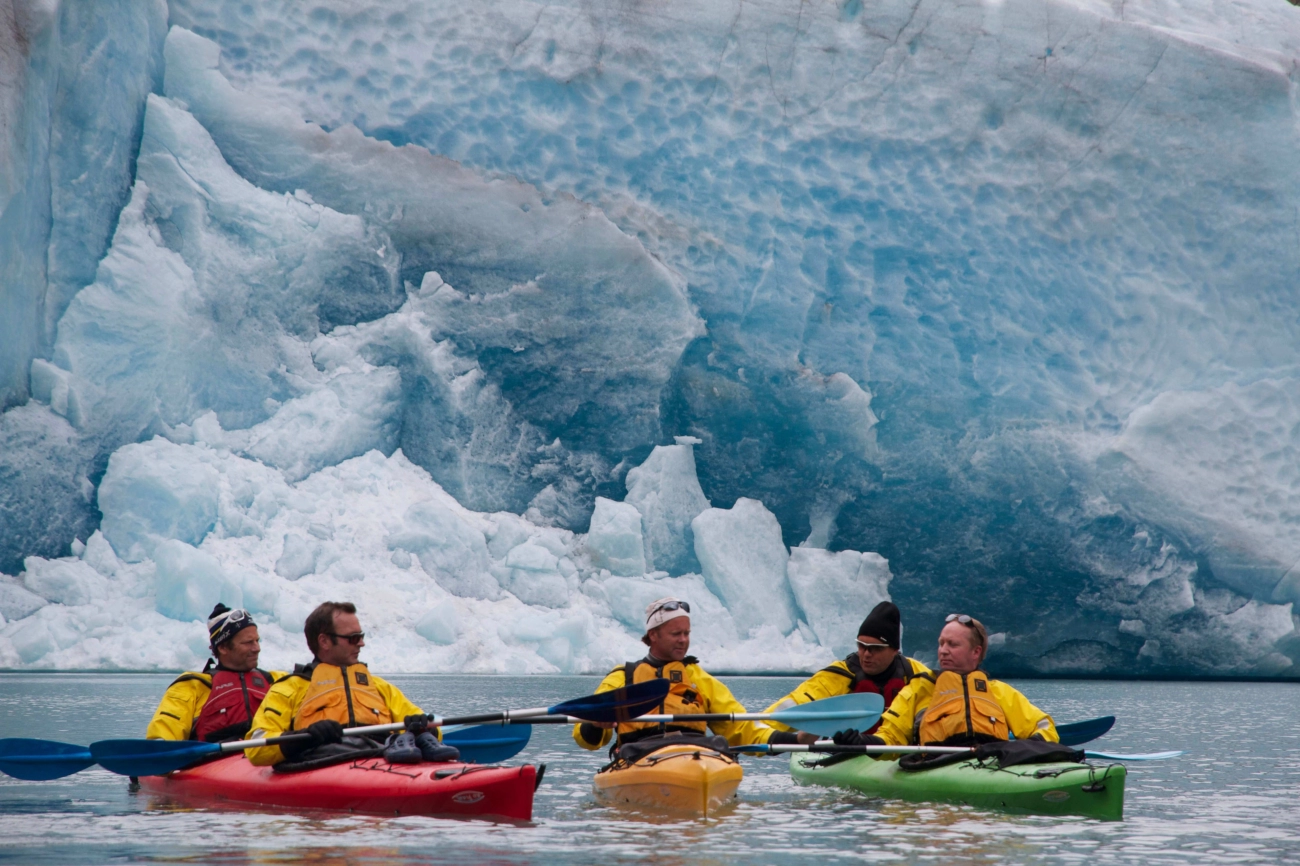
Hardangerfjord: This area is perfect for those interested in combining nature with local culture. The fjord is known for its fruit orchards and cider trails, with organic farm stays that emphasize eco-friendly living. It’s also a hub for kayaking, promoting low-impact water activities.
-
Lysefjord and Ryfylke: Best for hiking enthusiasts and those seeking secluded, nature-immersion lodges. These regions feature eco-friendly cabins and glamping sites that let you disconnect in style while respecting the environment.
Each of these fjords offers a unique blend of sustainable hotels Norway fjords travelers will appreciate, ensuring you can enjoy Norway’s stunning landscapes with a lighter footprint. For those keen on combining eco-stays with responsible exploration, these regions are some of the best starting points.
If you want to explore other eco-friendly travel ideas, our feature on adventurous yet meat-free hiking and dining in La Fortuna offers great tips for sustainable outdoor experiences.
Curated Recommendations: Standout Eco-Conscious Accommodations
Here are 8-10 top picks for eco-conscious accommodations across Norway’s fjords, covering luxury, boutique, and budget-friendly options. Each offers unique sustainability features, great amenities, and access to memorable nearby activities.
Luxury & Boutique Stays
- The Fjordloftet Lodge, Sognefjord: A timber-built eco-lodge powered by solar energy and certified with the Nordic Swan Ecolabel. Guests enjoy organic meals and easy access to guided low-impact hikes in nearby UNESCO fjord areas.
- Geiranger Solar Cabin Retreat: These solar-powered cabins blend into the dramatic Geirangerfjord landscape, offering electric boat access and eco-friendly waste management. Perfect for summer kayaking or winter northern lights viewing.
- Hardanger Fruit Farm Stays: Experience organic farm stays on orchards with cider trails, promoting zero-waste practices and farm-to-table dining, ideal for cycling and paddling enthusiasts.
Unique & Affordable Options
- Lysefjord Treehouse Cabins: Set in secluded forests, these energy-efficient treehouses provide nature immersion with minimalist design, using eco-lighthouse certified construction and composting toilets. Great for hiking the famous lysefjord trails.
- Rorbuer in Ryfylke: Traditional fisherman\’s cabins updated with green heating systems and water-saving technology. These offer an authentic fjord experience with easy access to coastal cycling routes and electric ferry transports.
- Glamping Pods near Nærøyfjord: Low-impact glamping sites featuring solar lighting and biodegradable amenities. They perfectly suit travelers seeking serene stays in one of Norway’s quietest nature spots.
Seasonal Tips
- Summer is ideal for kayaking, hiking, and cycling, with longer days enhancing outdoor adventures.
- Winter brings chances to witness the northern lights from cozy eco-lodges equipped with energy-saving heating, plus opportunities for snowshoeing and quiet fjord cruises.
These sustainable hotels and lodges across Norwegian fjords provide thoughtful, low-impact stays whether you’re after luxury comfort or close-to-nature simplicity. For detailed booking tips and eco-friendly travel planning, consider consulting resources like Visit Norway’s certified accommodation lists.
For travelers interested in responsible tourism and eco-friendly innovations, this curated selection offers the perfect balance of comfort and green credentials in Norway’s spectacular fjords.
Sustainable Activities to Pair with Your Stay
When visiting the Norwegian fjords, choosing low-impact adventures is key to preserving these stunning landscapes. Electric fjord cruises offer quiet, emission-free journeys through the waterways—perfect for spotting wildlife without disturbing nature. Guided hikes provide safe routes while educating you on the local flora and fauna, and sea kayaking lets you explore fjord edges up close with minimal footprint. Cycling on marked trails is another great way to connect with the environment sustainably.
For cultural immersion, seek out farm-to-table dining experiences that highlight organic, local ingredients, supporting regional farmers and reducing food miles—especially common in Hardangerfjord’s orchards. Sami heritage tours offer a thoughtful peek into indigenous traditions, while guided foraging walks teach you how to safely harvest wild berries and herbs, deepening your connection to the land.
Keep responsible exploration in mind by following Leave No Trace principles: pack out all waste, stay on trails, and respect wildlife habitats. Using public transportation like electric ferries and buses not only reduces emissions but also adds to the authentic fjord travel experience. Combining these eco-conscious activities with your stay enhances your trip while protecting Norway’s fjord ecosystems for years to come.
For a sustainable travel mindset during your adventure, check out insights on slow travel and cycling from the detailed cycling along Portugal’s coastline guide, which shares valuable tips on connecting responsibly with nature.
Practical Planning Guide for Eco-Conscious Fjord Travel
When planning your trip to Norway’s fjords, choosing sustainable transportation is key. The Norway in a Nutshell train routes offer scenic, low-impact travel connecting fjord regions with electric ferries and eco-friendly buses that reduce your carbon footprint. Many ferries now run on electricity, making fjord travel both quieter and greener.
The best time to visit is between May and September. This period provides mild weather ideal for hiking, kayaking, and enjoying the long daylight hours. Summer also brings a chance to experience local fruit orchards, cider trails, and other outdoor activities without the extreme cold of winter.
For booking, use trusted sources such as official tourism sites featuring certified accommodation lists that include Nordic Swan Ecolabel and Eco-Lighthouse certified stays to find reliable sustainable hotels in the Norwegian fjords. These platforms can help you secure eco-friendly lodges, farm stays, and campsites that prioritize zero-waste and renewable energy practices.
Here are some quick budget and packing tips for eco-travel in Norway’s fjords:
- Pack layers and waterproof gear — weather can change quickly, especially during hikes.
- Bring reusable water bottles and containers to cut down on plastic waste.
- Plan for public transportation and shared transfers whenever possible to keep emissions low.
- Opt for reusable toiletries and minimal packaging to support zero-waste accommodations.
For more ideas on low-impact travel and mindful packing, check out the sustainable travel advice detailed in this long-term travel guide, which offers practical tips to help make your journey greener from start to finish.