
Planning Your Slow Great Ocean Road Trip
Taking your time on the Great Ocean Road lets you truly soak in its magic. Ideally, plan for 4-5 days to explore without rushing, though you can easily extend your trip to uncover hidden gems or add detours. Starting from Melbourne, renting a car is the most flexible way to go—allowing you to stop for fuel and spontaneous photo breaks along this famous coastline. The roads are well-maintained but winding, so take your time and enjoy the drive.
For accommodations, mix it up with stays in charming coastal towns, eco-lodges tucked into nature, and scenic campsites. This blend gives you a deeper connection to the landscape and local life. When budgeting, remember to factor in fuel costs, entry fees for parks and attractions, plus some extra for indulging in fresh local seafood and unique experiences.
Being mindful of your impact is key on this journey. Follow sustainable travel tips like sticking to marked trails, minimizing waste, and supporting small businesses and local communities. This way, your slow Great Ocean Road road trip remains meaningful, responsible, and unforgettable.
Day 1: Melbourne to Lorne – Surf Coasts and Coastal Towns
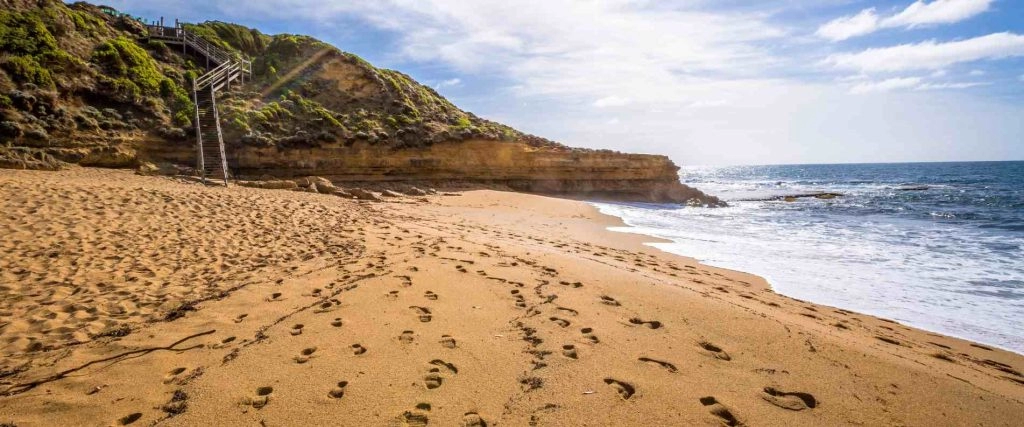
Start your Great Ocean Road itinerary by leaving Melbourne early to enjoy a slow and meaningful drive. Your first stop is Torquay, the official beginning of the Great Ocean Road and home to the famous Bells Beach. Here, you can soak in the surfing vibes and stunning ocean views, a perfect introduction to the coast’s rugged beauty.
Next, head to Anglesea, where the golf course lookout offers wide panoramas and you might catch a glimpse of kangaroos grazing nearby. It’s a great spot to stretch your legs and connect with local wildlife along this wildlife-rich stretch of road.
Keep going to Aireys Inlet, a quiet coastal village where you can visit the iconic Split Point Lighthouse. Take a peaceful seaside walk here to enjoy fresh sea air and great photo opportunities.
Arrive in Lorne by the afternoon, where you can relax on Lorne beaches or venture up to Teddy’s Lookout for panoramic views of the coast. A short detour will take you to Erskine Falls, a refreshing waterfall it’s worth the stop. As evening falls, enjoy a sunset stroll along the beach followed by a dinner featuring fresh, local seafood—a fitting end to your first day on this scenic route.
For travelers interested in sustainable options, mixing coastal towns like Lorne with eco-lodge stays adds to a meaningful travel experience, much like the thoughtful, slow travel vibes found on the Caribbean Coast.
Day 2: Lorne to Apollo Bay – Rainforests and Wildlife
Start your day with a slow morning exploring Lorne’s beaches and perhaps a quick visit to Erskine Falls if you haven\’t already. Then, head towards Kennett River, one of the best spots on the Great Ocean Road for koala spotting and birdwatching among the eucalyptus trees. Keep your camera ready for these iconic Australian wildlife moments.
Next, dive into the lush greenery of Great Otway National Park for some easy rainforest walks like the popular Maits Rest trail. This short loop takes you deep into ancient ferns and towering trees, with chances to spot hidden waterfalls along the way. If time allows, an optional detour to the Cape Otway Lightstation offers fascinating history alongside unmatched coastal views from one of Australia’s oldest lighthouses.
Arriving in Apollo Bay, slow down with relaxed beach time, stroll through local markets, or take a peaceful walk along the harbor. Finish your day enjoying fresh seafood at one of Apollo Bay’s seaside restaurants while gazing out over the ocean—a perfect moment for reflection on the day’s natural highlights and wildlife encounters.
Day 3: Apollo Bay to Port Campbell – Dramatic Coastlines and Iconic Sights
Starting from Apollo Bay, take a slow drive through the lush Great Otway National Park with stops at Triplet Falls or Beauchamp Falls for immersive rainforest walks that refresh the spirit. For those traveling in glow worm season, a detour to Melba Gully or the Princetown wetlands offers a magical after-dark experience, lighting up the forest with tiny glowing creatures.
Next, head to the Gibson Steps where you can descend to the beach and get up close with towering cliffs and roaring waves—a must-see for dramatic coastal views. Make sure to time your arrival at the Twelve Apostles around golden hour or sunset to enjoy these iconic limestone stacks with fewer crowds and beautiful light perfect for photography.
Not far from there, explore Loch Ard Gorge to discover shipwreck history and stroll through secluded coves where the ocean tells its own stories. End the day in Port Campbell, a cozy town with charming local cafes and stunning lookouts like The Grotto and London Arch, perfect for evening reflections and quiet coastal walks.
This stretch of the Great Ocean Road itinerary combines breathtaking nature, wildlife, and history for a truly unforgettable day on the road.
Day 4: Port Campbell to Port Fairy (or Return Loop)
Start your day with a peaceful morning revisit to the Twelve Apostles at sunrise, when the crowds are thin and the golden light makes the sandstone stacks even more breathtaking. From there, take the scenic drive to Bay of Islands and The Arch, where you\’ll find stunning, lesser-visited rock formations that offer a quieter and equally impressive coastal experience.
Back in Port Campbell, explore local cafes for a relaxed coffee break and stretch your legs on short coastal trails to soak in more views of the rugged coastline. If you want to extend your trip, head to Warrnambool for seasonal whale watching adventures or visit the historic Flagstaff Hill Maritime Village to dive into the region’s rich maritime history.
Finish your day in the charming town of Port Fairy, known for its heritage architecture and laid-back vibe. Take a walk around Griffiths Island, famous for its wildlife and lighthouse, to enjoy stunning coastal scenery and local birdlife. For a different route home, consider an inland return via Colac with a detour to the Grampians for some variety and more nature immersion.
This slower pace on Day 4 helps deepen your connection with the Great Ocean Road’s dramatic coastlines and rich cultural spots. For more insights on how to experience meaningful travel moments, you might find inspiration in this guide about missed opportunities in travel.
Day 5 (Extension/Return): Reflections and Hidden Gems
Take a slow morning in Port Fairy or Warrnambool to soak in the peaceful coastal vibes before heading back. This day is perfect for detours based on your interests—whether that’s chasing more waterfalls, exploring local redwood forests, or enjoying a quiet beach picnic away from the crowds.
For a scenic return to Melbourne, travel inland via Colac, where rolling hills and lush farmland offer a refreshing change of pace from the coastline. This loop adds a meaningful dimension to your Great Ocean Road itinerary, blending nature, history, and local life.
Use this time to reflect on highlights like the Twelve Apostles sunset, koala spotting at Kennett River, or peaceful rainforest walks in the Great Otway National Park. Each stop on this journey deepens your connection to Victoria’s stunning landscapes and its unique wildlife, making this slow road trip truly unforgettable.
Top Meaningful Experiences Along the Great Ocean Road
The Great Ocean Road itinerary is full of memorable experiences that connect you deeply with nature, history, and local life.
Wildlife encounters are a highlight—keep your eyes peeled for koalas at Kennett River, kangaroos grazing near Anglesea, and native birds across the eucalyptus forests. These moments of spotting wildlife in their natural habitats bring a special connection to this coastal journey.
For true nature immersion, take time on the popular rainforest walks in the Great Otway National Park, such as Maits Rest or trips to stunning waterfalls like Erskine Falls and Triplet Falls. Treetop adventures and quiet hikes offer peace and a chance to slow down and appreciate the lush environment that makes this region so unique.
The route also offers rich cultural touches: explore shipwreck stories at Loch Ard Gorge, visit the historic Cape Otway Lighthouse, and learn about Indigenous connections to the land from interpretative signs and local guides. These elements give your trip a deeper meaning beyond just sightseeing.
When it comes to food and relaxation, you can’t go past the fresh local seafood available at coastal cafés in Apollo Bay or Port Campbell. Enjoying a sunset ritual with a meal or a quiet moment by the Twelve Apostles or other lookout points adds a calm and reflective quality to the journey.
For those who love photography or mindfulness, there are countless spots for personal connection—whether it’s the golden hour at the Twelve Apostles sunset, quiet beaches near Lorne, or the serene wetlands at Princetown. These locations encourage you to slow down, breathe in the ocean air, and appreciate the Great Ocean Road’s breathtaking beauty.
For more ideas on combining local food and relaxing experiences, the top things to do in Australia page offers insightful tips to enrich your trip.
Practical Tips for a Safe and Enjoyable Trip
Driving the Great Ocean Road involves winding roads and sharp bends, so it’s important to stay alert and follow speed limits carefully. Watch out for wildlife crossings, especially at dawn and dusk when kangaroos and koalas are most active near the road. Fuel stops can be limited in some stretches, so plan your refills in bigger towns like Lorne or Apollo Bay.
Weather varies by season: summer is ideal for visiting beaches and enjoying outdoor activities, while winter brings lush waterfalls in the Great Otway National Park and fewer crowds. Pack layers and be prepared for sudden changes in weather when venturing into rainforest walks or coastal lookouts.
If you’re travelling with family or have accessibility needs, many coastal towns offer facilities like accessible boardwalks and family-friendly beaches, particularly around Apollo Bay and Lorne. For those who prefer less driving stress, guided tours or reverse itineraries (starting from Port Fairy or Warrnambool back to Melbourne) can help you avoid the busiest spots and enjoy a more relaxed pace.
Consider sustainable travel practices by supporting local communities and minimizing your footprint in national parks, which adds meaning to your journey along this incredible self-drive route. For more insights on travel safety and budget tips, check out useful guides on affordable North American travel for comparison and planning inspiration.