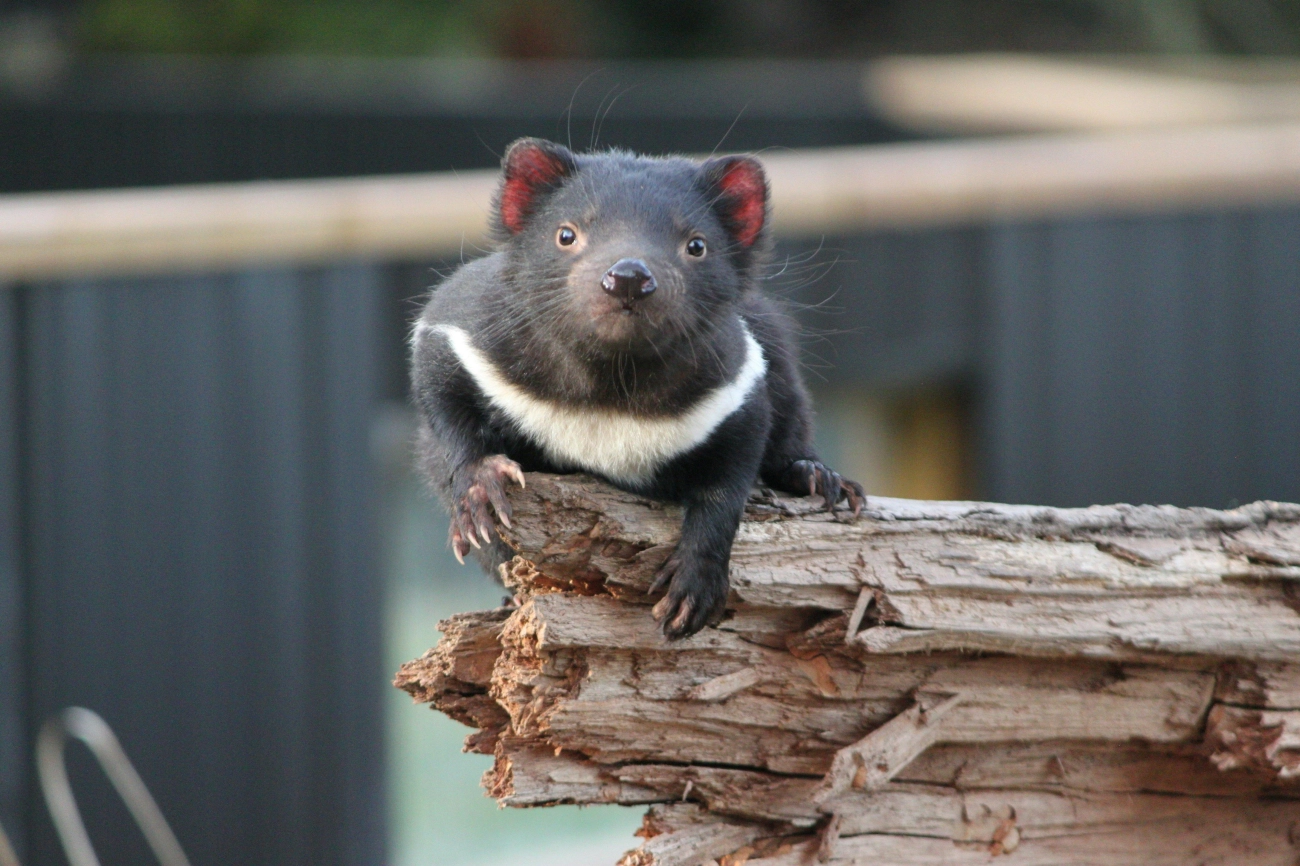
Tasmania is a true sanctuary for nature lovers, offering some of Australia’s purest wilderness. Its pristine environments range from lush temperate rainforests to rugged alpine peaks, framed by dramatic coastlines and crystal-clear waters. This island state is a haven of untouched beauty where ancient forests meet sweeping beaches, creating a diverse landscape that feels both wild and serene.
What sets Tasmania apart is its unique biodiversity. The island is home to countless endemic species, including the famous Tasmanian devil, wombats, and pademelons, making wildlife encounters here genuinely special. Unlike the mainland, Tasmania benefits from a cooler climate that supports these rare species and lush vegetation year-round.
Tasmania also contrasts sharply with mainland Australia in its atmosphere and approach to tourism. The island embraces sustainability and eco-friendly travel, encouraging visitors to enjoy its natural wonders without leaving a trace. With fewer crowds and a slower pace, Tasmania offers a more intimate connection with nature—perfect for anyone seeking a peaceful, authentic natural escape.
Getting to and Around Tasmania
Tasmania is easy to reach, with regular flights landing in Hobart and Launceston from mainland Australia. For a more scenic arrival, you can take the Spirit of Tasmania ferry from Melbourne, which lets you bring your own car and enjoy the Bass Strait crossing.
Once you’re there, a self-drive road trip is the best way to explore Tasmania’s wilderness at your own pace. Renting a car gives you the freedom to take scenic routes and stop whenever you like to soak in the views. Driving between key spots like Cradle Mountain, Freycinet National Park, and the Bay of Fires unlocks Tasmania’s purest natural hideaway.
Most visitors find that 7 to 14-day loop itineraries, starting from Hobart or Launceston, offer enough time to cover Tasmania’s highlights without rushing. This timeframe lets you enjoy top attractions and hidden gems alike, while embracing the island’s relaxed vibe. If you’re after detailed tips on routes and things to see en route, you might appreciate this slow and meaningful road trip guide from Melbourne, perfect for planning your travels in Australia.
Top Natural Wonders and Must-Visit Regions
Tasmania is packed with stunning natural spots that are must-see for any nature lover.
Cradle Mountain-Lake St Clair National Park offers iconic hikes like the Dove Lake Circuit, perfect for alpine scenery and spotting native wildlife. For serious trekkers, the Overland Track is one of Australia’s best multi-day hikes through pristine wilderness.
Freycinet National Park features the famous Wineglass Bay viewpoint, crystal-clear waters, and the Hazards beaches, ideal for coastal walks with breathtaking views.
The Bay of Fires stands out with its lichen-covered orange rocks, white sandy beaches, and quiet bays – perfect for peaceful exploration.
Don’t miss the ancient Takayna/Tarkine Rainforest, one of the world’s oldest cool-temperate rainforests, where you can enjoy scenic drives and short walks surrounded by towering trees.
Tasman National Park showcases dramatic sea cliffs, blowholes, and the challenging Three Capes Track, offering some of the most impressive coastal landscapes in Tasmania.
On Bruny Island, rugged coastlines, wildlife cruises, and gourmet food stops make for a unique blend of nature and local flavors.
For those looking for hidden gems, spots like Montezuma Falls, Hastings Caves, and Maria Island offer secluded hikes and wildlife encounters away from the crowds.
These highlights make Tasmania’s wilderness truly unforgettable, whether you’re hiking, driving, or simply soaking in the views. For planning your trip, consider combining these regions on a flexible Tasmania road trip to get the most out of this pure natural hideaway.
You might also find inspiration for your journey in other island escapes from the region, such as this guide to Indonesia’s lesser-known islands, which similarly blend pristine nature and cultural experiences.
Wildlife Encounters in the Wild
Tasmania is a hotspot for unique wildlife, offering unforgettable encounters with endemic species like the iconic Tasmanian devil, wombats, pademelons, platypus, and various wallabies. Spotting these animals in their natural habitats is a highlight of any Tasmania wilderness adventure.
The best places to see wildlife include specially guided night tours where you can catch nocturnal animals active, wildlife sanctuaries dedicated to conservation, and vast national parks such as Cradle Mountain-Lake St Clair and Takayna/Tarkine rainforest. These areas provide a safe environment for observing animals without disturbing their routines.
When watching Tasmania’s wildlife, it’s important to follow ethical viewing practices—always keep a respectful distance, avoid feeding animals, and stick to marked trails to protect their habitats. Conservation efforts play a crucial role in preserving these species, especially the endangered Tasmanian devil, which faces threats from disease. Supporting local wildlife tours that prioritize sustainability helps maintain this pure natural hideaway.
For those interested in deeper wildlife experiences, joining a Tasmania wildlife tours group can provide expert guidance and enhance your chance of sightings while ensuring the protection of the environment.
Outdoor Adventures and Activities in Tasmania Wilderness
Tasmania is a playground for outdoor lovers, offering activities that suit all fitness levels and adventure styles. Whether you’re into hiking or paddling, the island’s diverse landscapes make every outing memorable.
Hiking and Walking Tracks
From gentle strolls to challenging climbs, Tasmania’s trails have it all. Popular hikes like the Overland Track and Three Capes Track showcase alpine peaks, ancient forests, and dramatic sea cliffs. If you prefer something easier, coastal walks in Freycinet National Park or scenic circuits around Cradle Mountain offer stunning views without the intense grind.
Kayaking and Wildlife Cruises
Paddling is a fantastic way to get close to Tasmania’s crystal-clear rivers and bays. Kayak along the serene Gordon River while soaking up rainforest surrounds, or join wildlife boat tours for a chance to spot seals, dolphins, and birdlife in their natural habitat. These experiences offer a quiet, eco-friendly way to enjoy Tasmania’s nature.
Other Outdoor Pursuits
For those seeking variety, mountain biking trails weave through forests and rugged terrain, giving a more adrenaline-pumped way to explore. Fishing enthusiasts can enjoy both freshwater and coastal options. Meanwhile, forest bathing—simply immersing yourself in the peaceful Tasmanian wilderness—is perfect for recharging and connecting with nature.
Whatever your choice, Tasmania’s outdoor adventures promise unforgettable encounters with some of Australia’s purest wilderness.
Best Time to Visit and Seasonal Highlights
Tasmania’s climate varies enough to offer something special all year round. Summer (December to February) is ideal for warm weather, longer days, and perfect conditions for hiking popular trails like the Overland Track or exploring Wineglass Bay. It’s also the best time for kayaking and wildlife boat tours without the chill.
Autumn brings cooler temperatures and stunning foliage, turning places like Cradle Mountain and the Tarkine Rainforest into vibrant landscapes. It’s a quieter time too, great for road trips and enjoying Tasmania’s natural escapes without the crowds.
In winter, the alpine areas often get snow, making the alpine peaks around Cradle Mountain perfect for snowy hikes and photography. Just be sure to pack warm layers and waterproof gear as conditions can be wet and cold.
Spring showcases blooming wildflowers across Tasmania’s wilderness, especially in national parks and along coastal walks such as the Bay of Fires. It’s a refreshing season for outdoor activities and wildlife spotting, including glimpses of newborn pademelons and wallabies.
Weather Considerations and Packing Essentials
Layered clothing for changing conditions, especially if visiting alpine regions
Waterproof jacket and sturdy walking boots for hikes
Sun protection: hat, sunscreen, sunglasses
Insect repellent for warmer months
Camera or binoculars for wildlife and scenic views
Planning your Tasmania road trip around these seasonal highlights ensures you make the most of its natural beauty and unique wildlife all year. For more on exploring the Tasmanian outdoors sustainably and at your own pace, check out detailed Tasmania eco travel tips and recommended itineraries.
Sustainable Travel and Practical Tips
Tasmania’s wilderness invites us to travel responsibly. Practicing eco-friendly travel means leaving no trace—pack out what you bring in, stick to marked trails, and respect wildlife habitats. Supporting local operators helps the community thrive and ensures your tourism dollars boost conservation efforts. Look for certified eco-tourism groups and farmers markets for authentic experiences.
When it comes to places to stay, Tasmania offers a range of sustainable accommodations. Choose from wilderness lodges nestled in nature, eco-retreats using renewable energy, or well-run camping sites that minimise impact. These options help you connect deeply with Tasmania’s pure environment while keeping your footprint low.
Tasmania’s food and wine scene is a delicious part of sustainable travel. Fresh seafood, caught ethically from local waters, pairs perfectly with cool-climate wines from the region’s vineyards. Many farm-to-table restaurants highlight seasonal produce and support small-scale farmers, giving you a true taste of Tasmania’s natural bounty.