
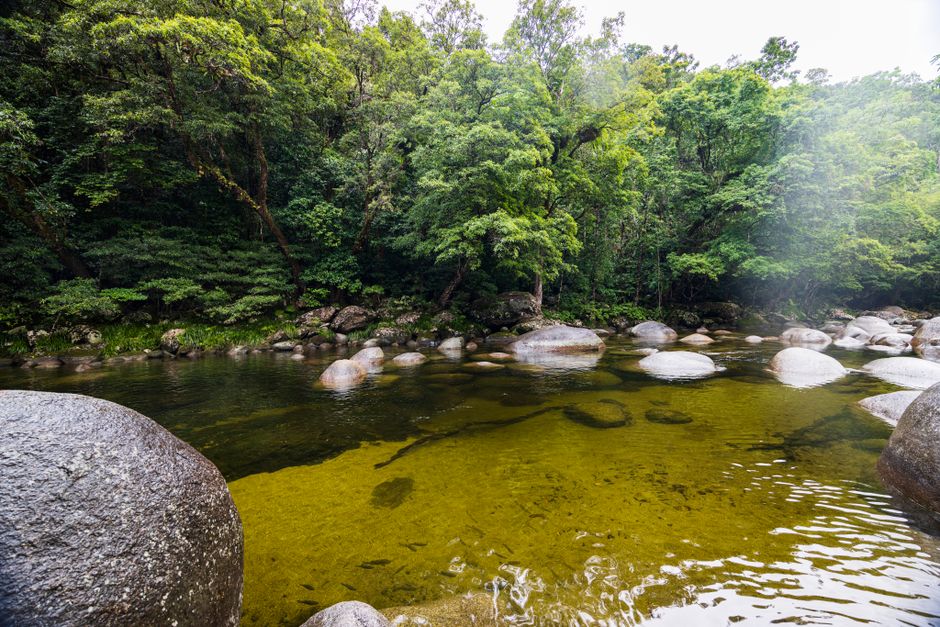
Many travellers picture tropical Queensland as hot, wet and difficult to explore without seafood. July usually tells a different story. Cairns and Port Douglas sit in the dry season, with warm afternoons, cooler evenings, lower rainfall and strong conditions for reef and rainforest days. Vegetarian food is also easier to find than the local seafood reputation suggests, provided you check menus instead of assuming every kitchen can adapt a dish safely.
This guidance concerns travel in Queensland, Australia.
Is July a good time for Cairns and Port Douglas?
Yes, July is one of the strongest months for a first visit. The trade-off is that mornings and boat rides can feel cool, especially after swimming. The Bureau of Meteorology lists Cairns July climate averages at a mean maximum of 25.9°C, a mean minimum of 17.2°C and average rainfall of 33.2 millimetres. Port Douglas has a similar coastal pattern, but local forecasts still matter because wind and showers can change conditions on the water. See the Bureau of Meteorology climate averages before fixing your day-by-day plans.
| Planning point | What July usually means | What to pack or book |
|---|---|---|
| Daytime | About 26°C in Cairns on the long-term average | Light clothing, hat, sunscreen and a refillable water bottle |
| Early morning | About 17°C in Cairns on the long-term average | Light jumper or overshirt for walks and transfers |
| Rainfall | About 33 mm in Cairns on the long-term average | Small rain shell rather than a heavy wet-season wardrobe |
| Reef water | Cooler than summer, though still suitable for snorkelling | Ask the operator about wetsuits and stinger protection |
| Visibility | Often favourable in the dry season, but never guaranteed | Keep one flexible day for a weather change |
| Road travel | Cairns and Port Douglas are about 67 kilometres apart | Allow roughly 1 hour 15 minutes before stops and traffic |
July is not a promise of perfect weather. It is a useful seasonal advantage. The strongest plan treats the reef as weather-dependent and keeps a land-based alternative available. The Great Barrier Reef Marine Park Authority also advises visitors to follow operator safety instructions and current marine conditions.
How should you split a six-day Queensland escape?
A six-day trip works best when Cairns handles the arrival, food variety and easy-access activities, while Port Douglas provides a slower base for the reef and Daintree. Driving between the towns every day wastes time and makes early boat departures harder, so divide the stay rather than commuting.
Days one and two: settle into Cairns
Use the first afternoon for the Esplanade, the lagoon and an easy vegetarian dinner. Do not schedule a reef boat immediately after a long international flight. On day two, choose one major activity: the Kuranda rainforest area, a reef excursion, or a relaxed city day with the Cairns Botanic Gardens and nearby walking trails. If you are vegetarian rather than vegan, eggs and dairy expand breakfast choices. If you are vegan, tell the restaurant before ordering rather than relying on a garnish or side dish.
Days three and four: move to Port Douglas
Travel north in daylight and stop only where the timing works. Port Douglas is compact, so staying near Macrossan Street or the waterfront reduces the need for a car at dinner. Keep your reef day here if the marine forecast is better than the Cairns forecast. A morning departure usually leaves the afternoon for Four Mile Beach, but swimming conditions and beach warnings should control the decision. July can feel breezy after a boat trip, so carry a dry layer even when the forecast looks sunny.
Days five and six: choose rainforest or reef
Reserve one day for the Daintree and Cape Tribulation area. Start early, check the Daintree River ferry status, fill the car before heading north and avoid treating the whole route as a quick scenic drive. Boardwalks can be muddy after rain even during the dry season. The Queensland Parks Cape Tribulation map shows the main facilities and walking areas. Use the final day for the activity you could not complete because of wind, rain or fatigue. That buffer is more valuable than adding another rushed stop.
Where can vegetarians eat without guessing?
The clear winner for convenience is Cairns, where casual cafés, Indian food and plant-based menus create more backup options. Port Douglas has excellent vegetarian dishes, but its smaller evening dining pool makes reservations more useful in July.
- The Roti Shack in Cairns: the vegetarian and vegan option can be served with potato curry, basmati rice, stir-fried vegetables, chickpea curry and dahl. It suits travellers who want a filling meal after a day outdoors, and the kitchen lists chilli separately so you can control the heat. Check the current Roti Shack menu before visiting.
- NOA in Edge Hill: the listed vegetarian and vegan choices include pumpkin gnocchi at A$29, vegan Thai curry at A$28 and angel hair mushroom pasta at A$31. This is the strongest Cairns pick for a proper sit-down dinner because the menu gives clear dietary labels and more than one substantial main.
- Lichi in Port Douglas: the vegetarian menu lists aubergine pie at A$37 and wild mushroom linguine at A$40, with vegan and vegetarian markings shown beside dishes. The aubergine pie is the better choice for a dairy-free diner; the linguine is the better choice for someone who wants a richer restaurant meal. Prices are in Australian dollars and menus can change.
- Watergate in Port Douglas: its vegetarian menu lists tofu at A$29.90, dukkah cauliflower steak at A$38.90 and aubergine nasu dengaku at A$38.90. The cauliflower is the most substantial pick, while the tofu offers the clearest protein-focused option.
Vegetarian does not always mean vegan, and vegan does not automatically mean safe for an allergy. Ask about fish sauce, oyster sauce, shrimp paste, chicken stock, butter and shared fryers. For a severe allergy, explain the risk directly and accept that a venue may decline the order. That is safer than treating the word vegetarian as a guarantee.
What mistakes spoil a vegetarian reef and rainforest trip?
Will every reef tour provide a vegetarian lunch?
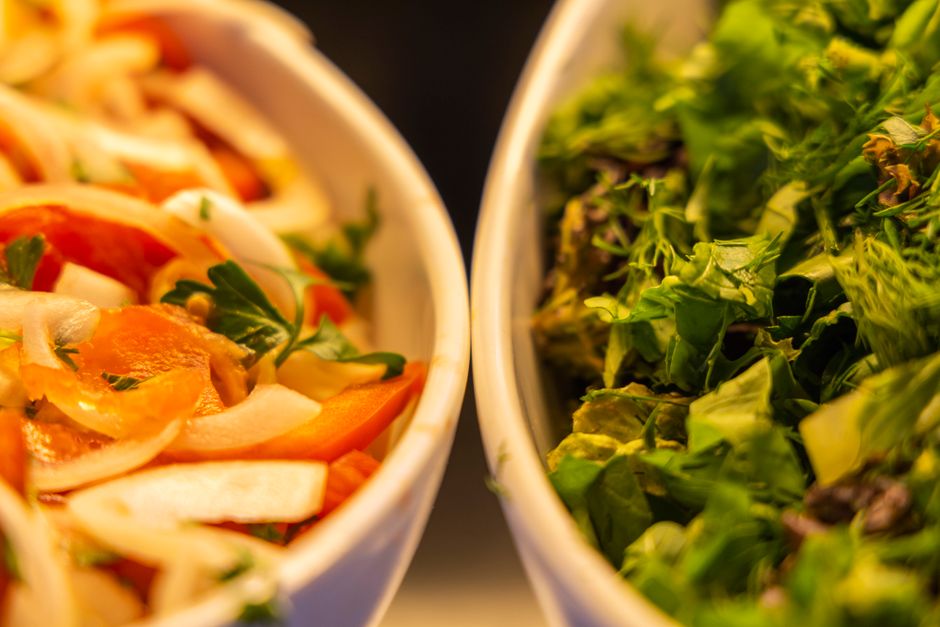
No. Many operators can provide a vegetarian meal when told during booking, but a last-minute request may produce salad, bread or fruit rather than a balanced lunch. State vegetarian, vegan or allergy requirements clearly, then confirm the meal again before departure. Carry a small backup snack that does not melt in tropical heat.
Is July too cold for snorkelling?
Usually no, but the first entry can feel sharp. Ask about a wetsuit or thermal top, especially if you plan several hours in the water. Stinger risk is seasonal and local conditions can change, so follow the operator’s instructions about protective clothing, swimming zones and marine warnings. Never treat a calm-looking beach as proof that swimming is permitted.
Can you fit the Daintree into a casual afternoon?
That is a common planning error. Ferry queues, narrow roads, boardwalk stops and return timing make the Daintree a full-day outing from Port Douglas. From Cairns, it is longer still. Check road and ferry updates, carry water, wear shoes with grip and do not book a fixed evening reservation immediately after the drive.
What should you do if the weather changes?
Move activities rather than forcing the original schedule. A windy reef day can become a rainforest or town day, while a wet morning can be followed by a coastal walk. Keep one uncommitted block in the itinerary. In July, flexibility protects the trip from one cancelled boat more effectively than packing in extra attractions.
What should you book first for a July vegetarian escape?
My recommendation is three nights in Cairns and three nights in Port Douglas. That split gives a first-time visitor enough time for one reef day, one rainforest day and slower meals without turning the holiday into a transfer schedule.
- Book accommodation with a refrigerator or basic kitchenette if breakfast preferences or allergy control matter.
- Reserve the reef day before the most popular July dates fill, but choose an operator with a clear weather and cancellation policy.
- Tell every tour and restaurant about vegetarian, vegan or allergy needs at the time of booking.
- Leave one flexible half-day for weather, fatigue or a place that deserves more time than the itinerary allowed.
If you have only three nights, stay in Cairns. It offers the better transport base, the broader vegetarian fallback and easier access after a flight. Choose Port Douglas instead only when a quieter resort-style stay and direct access to the reef and Daintree matter more than restaurant range. The common misconception was that tropical Queensland in July must be wet, exhausting and seafood-first. With the right split, it is closer to the opposite: cool enough for walking, dry enough for exploring and flexible enough for a genuinely satisfying vegetarian escape.