
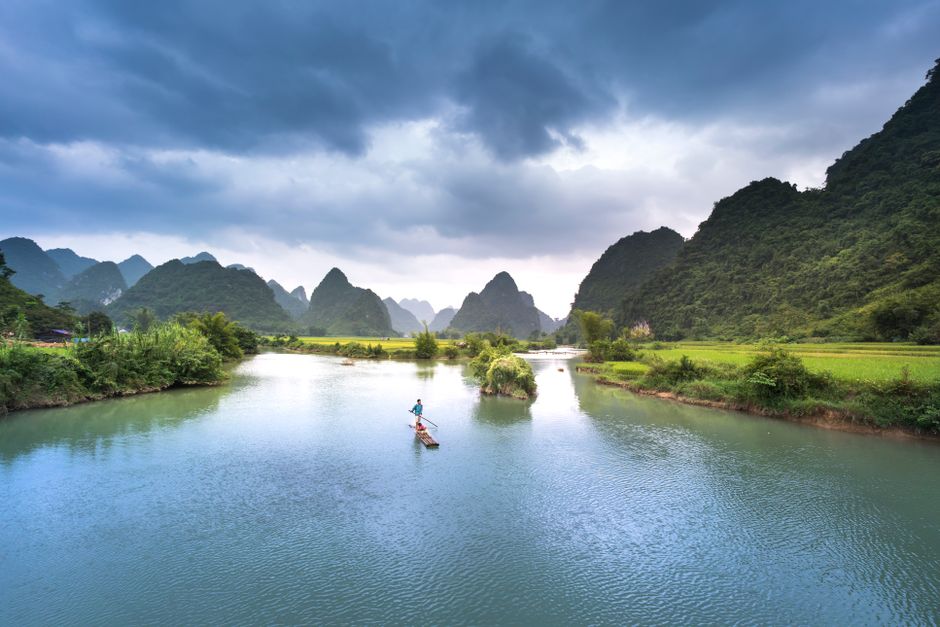
Most people plan South India wrong. They try to see everything in 10 days, end up spending half the trip in a car, and come home exhausted saying they “did” Kerala and Tamil Nadu. You didn’t do anything. You drove through it.
South India is not a checklist. It’s a region that punishes overambitious itineraries and rewards slow travel. The states are big. The roads are winding. The heat is real. And the best experiences — a temple ritual at dawn, a backwater canoe ride, a coffee estate walk — cannot be rushed.
This guide covers the five planning mistakes I see travelers make constantly, then gives you the destinations actually worth your time. No affiliate links. No sponsored picks. Just honest advice from someone who has spent months traveling this region.
The 5 Planning Mistakes That Ruin South India Trips
Let’s start with what not to do. These mistakes are so common they’ve become the default advice in half the travel forums online.
Mistake 1: Squeezing All Three States Into One Week
Kerala, Tamil Nadu, and Karnataka are each the size of a European country. Driving from Kochi to Madurai takes 5-6 hours. Madurai to Hampi? Eight hours minimum. You cannot “do” all three in 7 days unless your goal is to collect windshield time.
Fix: Pick one state as your base. Spend 10-14 days there. Go deep instead of wide.
Mistake 2: Booking Hill Stations in Peak Summer Without Checking Altitude
Ooty and Kodaikanal are not the same. Ooty sits at 2,240 meters and gets crowded, commercialized, and traffic-clogged from April to June. Kodaikanal is lower (2,133 meters) but has better lakeside walking. Munnar (1,532 meters) is actually a tea-growing valley, not a classic hill station — it gets misty, not cold. If you want quiet mountain air, skip Ooty entirely and go to Coonoor, 19 km away, which has better views and a fraction of the crowds.
Mistake 3: Treating the Backwaters as a Day Trip
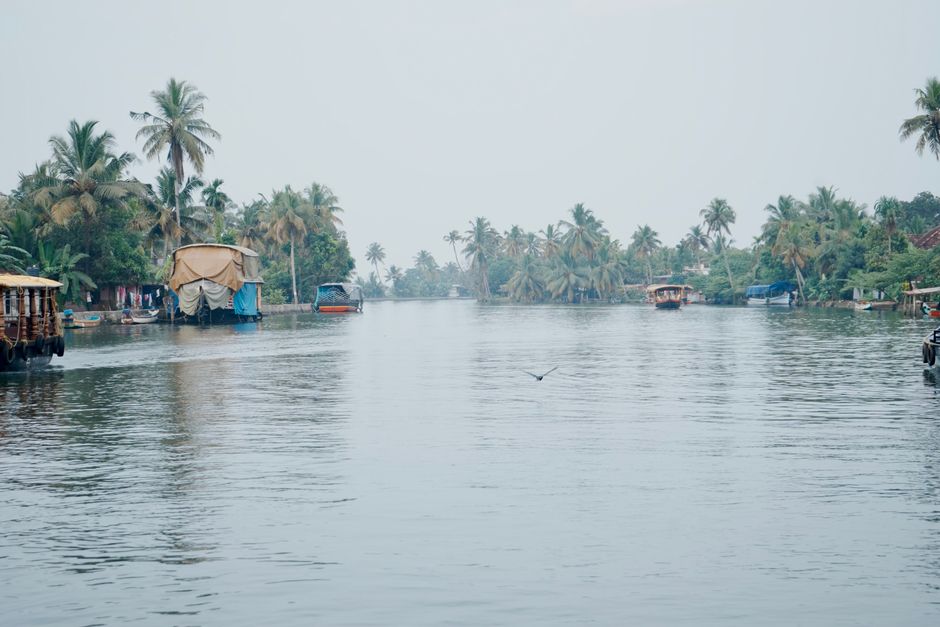
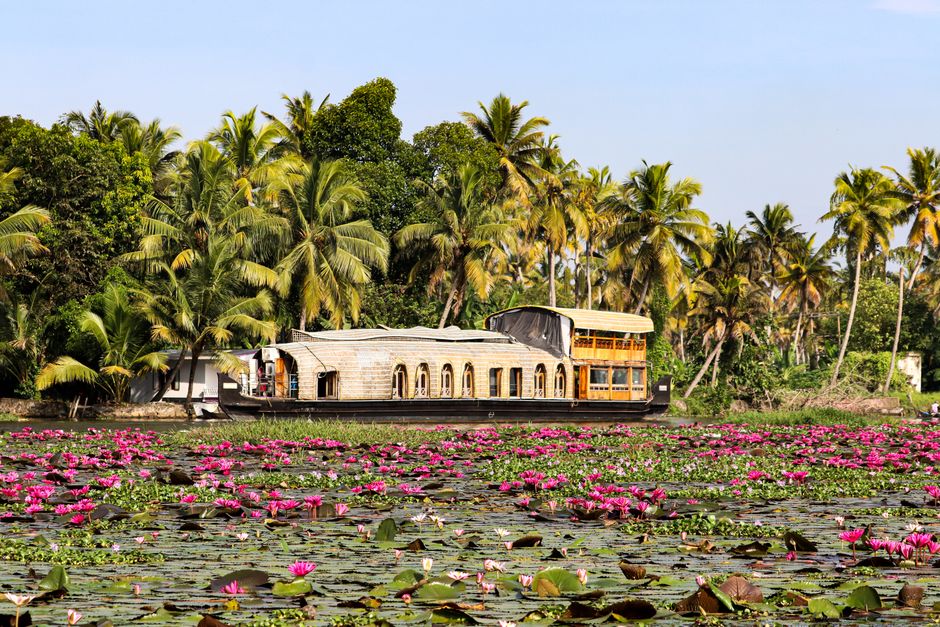
Alleppey houseboat day cruises are the most overrated tourist product in Kerala. You sit on a boat with 50 other people, chug down a crowded canal, and see more plastic bottles than kingfishers. The real backwater experience is staying overnight on a small houseboat (2-4 people) in the quieter routes around Kumarakom or the canals south of Alleppey. Or skip the houseboat entirely and do a homestay on a backwater island. You’ll pay less and actually talk to people who live there.
Mistake 4: Visiting Temples Without Understanding the Dress Code or Timing
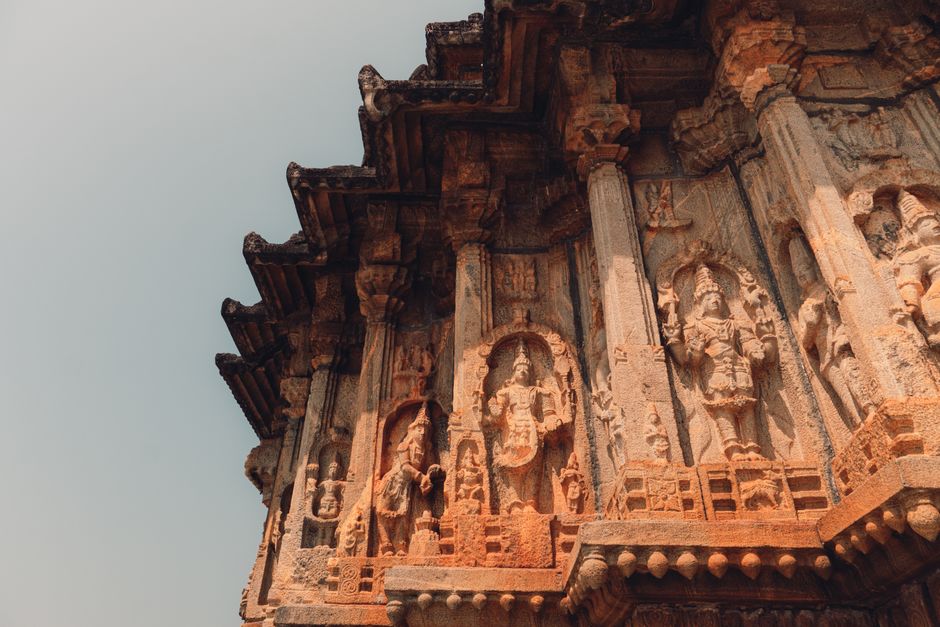
South Indian temples are not tourist attractions. They’re active religious sites with strict rules. Men must remove shirts at many Kerala temples. Women need covered shoulders and ankles at Madurai’s Meenakshi Temple. Photography is banned inside most sanctums. And many temples close for 2-3 hours in the afternoon. Show up at 2 PM and you’ll stand outside a locked gate. Check timings before you go. The Meenakshi Temple opens at 5 AM for the dawn ceremony — that’s the best time, not 11 AM with every tour bus in Tamil Nadu.
Mistake 5: Assuming Vegetarian Food Is Easy Everywhere
This one surprises people. South India is actually the best region in India for vegetarians, but you still need to know what you’re doing. In Tamil Nadu, pure veg restaurants are everywhere and the food is excellent — think ghee roast dosa, sambar, and filter coffee. In Kerala, seafood dominates and “veg” options can be limited outside cities. In Karnataka, you’ll find both worlds. The key phrase to learn: “pure veg” means no meat, no fish, no egg. “Veg” alone sometimes means the dish has no meat but was cooked in the same kitchen. Ask before you order.
Where to Actually Go: A State-by-State Breakdown
Here’s my honest take on the destinations worth your time in 2026, organized by what you actually want from a trip.
| If You Want | Go Here | Why | Skip This |
|---|---|---|---|
| Quiet beaches | Varkala (Kerala) | Cliff-top views, clean sand, no package tourists | Kovalam — overbuilt and crowded |
| Tea plantations | Munnar (Kerala) | Rolling tea estates, cool mornings, great walking | Ooty — traffic jams and souvenir shops |
| Ancient temples | Madurai + Thanjavur (Tamil Nadu) | Meenakshi Temple and Brihadeeswara Temple are architectural masterpieces | Rameswaram unless you’re a pilgrim |
| Ruins and boulders | Hampi (Karnataka) | 500+ monuments spread across a surreal landscape | Badami unless you’re a history scholar |
| Coffee estates and rain | Coorg (Karnataka) | Lush, quiet, great homestays, excellent coffee | Chikmagalur if you only have 2 days |
| French colonial charm | Pondicherry (Tamil Nadu) | Walkable White Town, good cafes, easy cycling | Mahabalipuram for more than a day trip |
Here’s the thing about this table: it’s a starting point, not a complete itinerary. Pick one row. Build a trip around that single experience. Add one or two nearby stops. That’s it.
Kerala vs Tamil Nadu vs Karnataka: Which Should You Pick?
If you only have one trip, pick Kerala. Here’s why.
Kerala is the easiest introduction to South India. The tourist infrastructure is better than anywhere else in the region. You can find clean homestays, reliable drivers, and English-speaking hosts without much effort. The distances between destinations are shorter. And the variety within one state is unmatched: beaches, backwaters, hill stations, and wildlife sanctuaries all within a few hours of each other.
But Kerala is also the most touristy. If you want raw, unfiltered India, go to Tamil Nadu. The temples are bigger, the food is spicier, the crowds are more local, and nobody is trying to sell you a houseboat package. Tamil Nadu is where you go to feel like a traveler, not a tourist.
Karnataka is the underrated middle child. Hampi is one of the most extraordinary places in all of India — a 4,100-hectare UNESCO site with boulder-strewn hills and temple ruins that look like a fever dream. Coorg is what Ooty wishes it could be. And Mysuru (Mysore) has a palace that rivals anything in Rajasthan. Karnataka gives you history, nature, and food without the tourist markup of Kerala or the intensity of Tamil Nadu.
My verdict: First-timers should go to Kerala. Repeat visitors should go to Tamil Nadu. People who want to avoid tourist crowds entirely should go to Karnataka.
How to Build a South India Itinerary That Doesn’t Suck
Here’s the practical execution part. You need to know distances, timing, and transport realities before you book anything.
Distances in South India are deceptive. A 200 km drive can take 5-6 hours on mountain roads. A 300 km drive can take 7 hours on state highways. Do not trust Google Maps estimates — add 25-30% buffer for real-world conditions: truck traffic, road repairs, monsoon slowdowns, and unmarked speed breakers.
Transport options ranked:
- Hire a car with driver: The best option for most travelers. Costs ₹4,000-6,000 per day ($50-75 USD) including fuel. You get flexibility, local knowledge, and no stress about navigation. Book through a reputable agency, not a random person at the airport.
- Trains: Excellent for long distances between major cities (Chennai to Madurai, Kochi to Trivandrum). Book AC chair car or 2AC sleeper for comfort. Book 2-3 weeks ahead during peak season.
- Buses: Fine for short hops, but overnight buses on mountain roads are not fun. Skip if you value sleep.
- Self-drive rental: Only if you’re experienced with Indian traffic. South Indian drivers are more disciplined than North Indian drivers, but it’s still chaos by Western standards.
Timing matters more than you think. The best months for South India are November to February. The weather is dry, temperatures are pleasant (25-30°C), and the monsoon is over. March to May is brutally hot in Tamil Nadu and Karnataka — Madurai regularly hits 40°C. June to September is monsoon season in Kerala and Karnataka — the landscape turns lush green, but you’ll deal with daily rain and possible flooding. October is shoulder season: decent weather, fewer crowds, but still some rain.
Money reality check: South India is cheap by Western standards but not as cheap as Southeast Asia. Budget travelers can manage on ₹2,000-3,000 per day ($25-40 USD) for basic accommodation and local food. Mid-range travelers should plan ₹6,000-10,000 per day ($75-125 USD) for comfortable hotels, private transport, and better restaurants. Luxury travelers can spend ₹20,000+ per day ($250+ USD) on heritage properties and premium experiences.
What Nobody Tells You About South India Travel
The things guidebooks gloss over. Read this before you book.
You Will Get Stared At
Especially if you’re white, Black, or East Asian, and especially outside major tourist hubs. It’s curiosity, not hostility. Smile, nod, move on. It decreases after the first few days as you stop noticing it.
The Food Is Spicier Than You Expect
South Indian food is not the mild korma you get in Western Indian restaurants. Tamil Nadu’s Chettinad cuisine is genuinely fiery. Kerala’s fish curry uses plenty of green chilies. Even the breakfast sambar has heat. Ask for “less spicy” — it helps, but only marginally.
Power Cuts and WiFi Failures Are Normal
Even in 2026, even in cities. Carry a power bank. Download offline maps. Don’t schedule important work calls during your trip unless you have a backup plan.
The Temples Will Change You
This is not a cliché. Standing inside the Meenakshi Temple at 6 AM while priests chant and incense fills the air is unlike anything else in India. You don’t need to be religious to feel it. But you do need to be respectful. Follow the rules. Take off your shoes. Don’t point your camera at people praying.
You’ll Come Back
Everyone I know who has traveled South India properly — not rushed through it — wants to return. The region gets under your skin. The food, the temples, the landscapes, the people. One trip is never enough.
So stop trying to see everything. Pick one state. Go slow. Let South India happen to you instead of trying to conquer it. That’s the whole secret.