
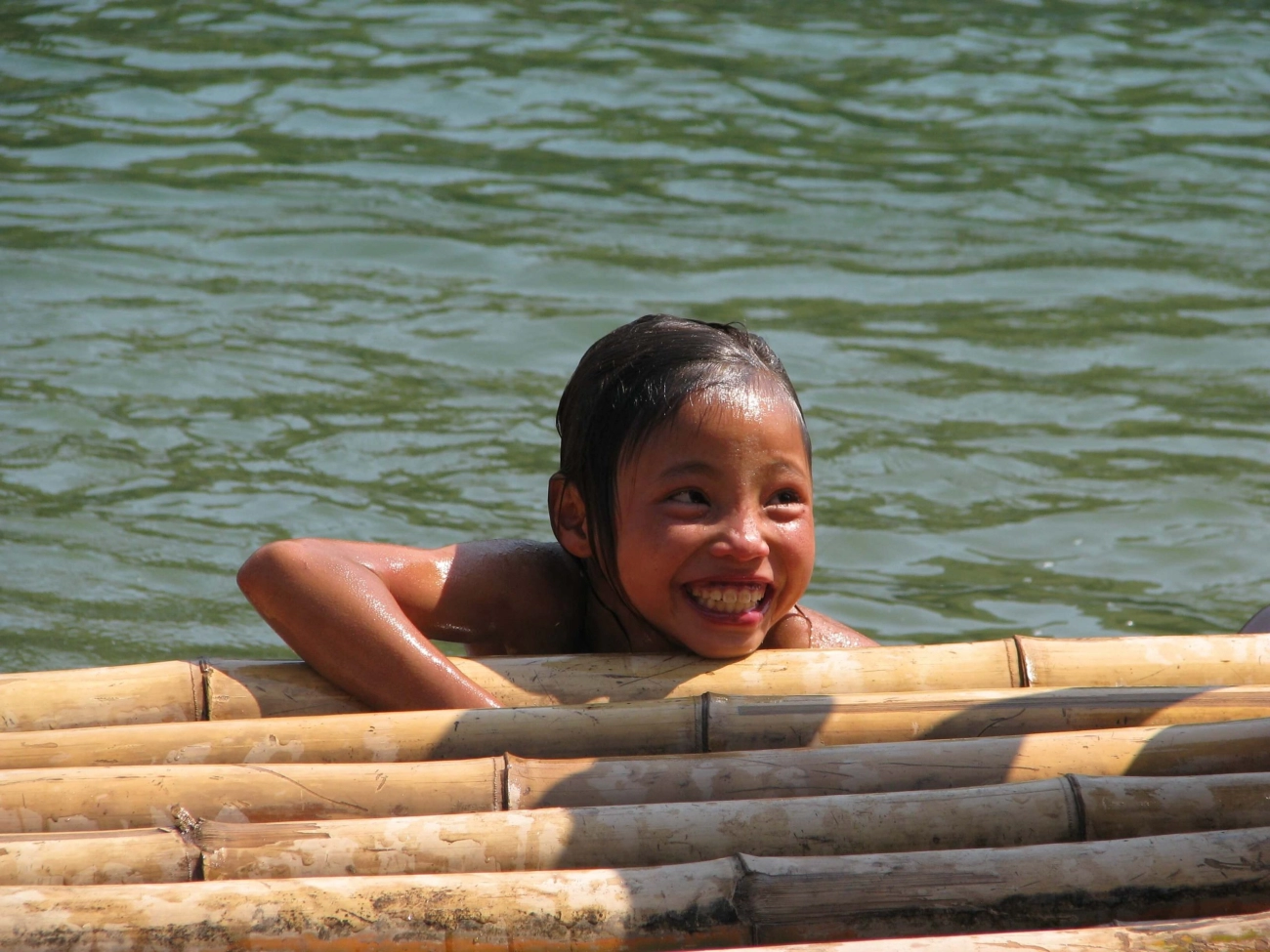
Why Choose Village Trekking in Laos
Village trekking in Laos offers a unique blend of nature, culture, and people that’s hard to find elsewhere. Imagine wandering through serene rice fields, visiting ancient Buddhist temples, and meeting local villagers whose warm, genuine smiles welcome you at every turn. This connection creates an authentic experience that enriches your journey beyond typical sightseeing.
A Unique Blend of Experiences
- Nature: Lush green rice terraces Laos, bamboo forests, and peaceful river valleys.
- Culture: Sacred temples where monks chant softly, traditional stilt houses, and ethnic crafts.
- People: Friendly villagers from Hmong villages trek or Khmu homestays offering heartfelt hospitality.
Less Crowded than Neighboring Countries
Compared to trekking hotspots in Vietnam or Thailand, village trekking in Laos is less crowded and commercialized. This means:
- More peaceful trails.
- Authentic encounters with hill tribe communities.
- Greater opportunities for meaningful cultural immersion.
| Feature | Laos | Vietnam | Thailand |
|---|---|---|---|
| Crowds | Low | Moderate to High | High |
| Cultural immersion | Deep and personal | Moderate | Tourist-oriented |
| Nature diversity | Rice terraces & mountains | Coastal trails & hills | Tropical forests & beaches |
Benefits of Village Trekking in Laos
- Physical Adventure: Trekking through diverse terrains offers both easy and challenging routes suitable for all fitness levels.
- Cultural Immersion: Living with ethnic communities, observing daily life, and joining local festivals.
- Sustainable Tourism: Supports rural economies by choosing community-based tours, encouraging ethical travel that benefits villagers directly.
Choosing Laos village trekking means embracing a slower, authentic pace of travel, deeply connecting with nature and culture while encouraging responsible tourism that gives back. It’s more than a hike—it’s a meaningful journey woven with landscapes, traditions, and smiles.
Best Regions and Routes for Village Trekking
Laos offers some of the most diverse and scenic village trekking routes, each with its own unique charm.
Luang Prabang and Surrounds
This area is perfect for easy day hikes through lush rice paddies to charming Hmong and Khmu villages. Treks here often include stops at serene Buddhist temples and the stunning Kuang Si Waterfalls, making it a great introduction to northern Laos trekking.
Nong Khiaw and Muang Ngoi
Known for its dramatic limestone karsts and the winding Nam Ou River, this region offers scenic trails passing terraced rice fields and mysterious caves. You can opt for short treks or longer, multi-day adventures visiting remote ethnic villages, all while enjoying beautiful river views.
Luang Namtha and Nam Ha National Protected Area
For deeper jungle experiences, this area leads you through challenging paths in old-growth forests and upland rice terraces. Expect to meet Akha and Lanten hill tribe villages embedded in the wilderness. This region is ideal for travelers seeking a more intense Nam Ha NPA adventure.
Other Notable Spots
Phongsaly Province is excellent for trekking among remote hill tribe communities, offering authentic Laos village trekking away from tourist crowds. Meanwhile, the Bolaven Plateau in southern Laos features rolling rice fields and historic temples, providing a different cultural and natural backdrop.
These trekking routes offer a range of options from gentle walks to strenuous hikes, allowing you to connect with Laos’ rich ethnic diversity and stunning landscapes. For those interested in combining trekking with other activities, some routes near Nong Khiaw also offer kayaking or waterfall swims to refresh after a day on the trails.
If you’ve explored trekking routes in other parts of Southeast Asia, like the quieter, uncommercialized fishing villages of Central Vietnam, you’ll find Laos village trekking just as authentic and rewarding. For a different kind of cultural immersion, check out these peaceful fishing village experiences as a nice travel complement.
What to Expect on the Trails
When you set out on Laos village trekking, expect to be surrounded by stunning landscapes. You’ll walk through lush green rice terraces that ripple across hillsides, pass towering limestone karsts, and wind along bamboo forests and peaceful river valleys. These scenes are classic Northern Laos hiking highlights that make the journey memorable.
Along the way, cultural encounters bring the trek to life. Stop by local wats (Buddhist temples) where you might catch monks chanting or witness traditional ceremonies. Observe daily life in stilted houses belonging to Khmu or Hmong villages, and don’t miss the chance to try lao-lao, the famous local rice whisky, often shared as a friendly welcome by villagers.
But what truly stands out on these Laos village trekking routes are the smiles. Friendly villagers, especially children, often wave as you pass, creating moments of genuine warmth. Shared meals of sticky rice and local dishes in homestays deepen the connection, turning each trek from just a physical adventure into an authentic Laos experience.
Sample Itineraries for Village Trekking in Laos
Here are some popular options to experience authentic Laos village trekking, rice terraces, and temples:
| Duration | Highlights | Route & Activities |
|---|---|---|
| 1-2 Day Trek | Easy scenic walks | Start in Nong Khiaw, trek through rice paddies to nearby ethnic villages and Buddhist temples. Great introduction to Laos village trekking and the smiles of locals. |
| 3-5 Day Adventure | Immersive multi-village homestay trek | Explore Nam Ha National Protected Area with jungle trails, upland rice terraces, and stays in Akha and Lanten villages for cultural depth and natural beauty. |
| Custom Options | Mix trekking with other activities | Combine hiking with kayaking along the Nam Ou River or swimming near Kuang Si Waterfalls for a varied, active experience. |
These itineraries cover the best of Northern Laos hiking, from gentle paths in Muang Ngoi to challenging forest treks in Nam Ha NPA. Whether you\’re after a quick day trek or a multi-day adventure through ethnic villages Laos is perfect for sustainable trekking experiences that connect you with the local culture.
For those interested in detailed multi-day routes, exploring the less crowded trails around Nong Khiaw and Muang Ngoi offers a peaceful trekking alternative to busier spots like Vietnam or Thailand.
If you want to plan further with some cultural twists or vegetarian-friendly meals along your trek, also check out insights from a vegetarian’s day in Portland, which could inspire your food choices on the trail.
Practical Planning Guide for Village Trekking in Laos
Best Time to Trek
The ideal season for village trekking in Laos is the dry period from October to April. During these months, trails are clear and rice terraces shine with vibrant green hues, making your hike through ethnic villages Laos especially scenic and enjoyable.
Difficulty Levels
Laos village trekking offers something for everyone:
- Easy: Flat walks through rice paddies and gentle trails around Luang Prabang or Nong Khiaw.
- Moderate: Trails with some hills and longer distances, typical for multi-day treks near Muang Ngoi.
- Strenuous: Tough climbs and rugged jungle paths like those in Nam Ha NPA or the Bolaven Plateau.
Choosing Ethical Operators
Opt for responsible guides and community-based tours that prioritize sustainable trekking Laos. This helps support rural communities, respects local cultures, and ensures your adventure has a positive impact. Many operators also offer homestays with Khmu or Hmong villages, enhancing your authentic Laos experiences.
Packing Essentials
- Sturdy shoes: Essential for rocky and muddy trails.
- Rain gear: Sudden showers are common, even in the dry season.
- Insect repellent: Protects against mosquitoes in forested areas.
- Reusable water bottle: Stay hydrated while reducing plastic waste on remote trails.
Proper planning will let you make the most of your Northern Laos hiking adventure, whether you’re exploring the Buddhist temples hike Laos offers or wandering through lush rice terraces. For more insights into sustainable travel, you might also enjoy this detailed guide to Indonesia’s lesser-known islands for eco-friendly adventures.
Cultural Etiquette and Sustainable Tips
When trekking through ethnic villages in Laos, it’s important to respect local customs. Dress modestly, especially when visiting Buddhist temples, to honour their spiritual traditions. Always ask permission before taking photos of villagers or their homes—this simple gesture builds trust and shows respect. Supporting local crafts and buying directly from artisans helps sustain village economies and keeps traditional skills alive.
To minimize your impact on the environment, stick to marked trails to protect the fragile rice terraces and forest floors. Avoid single-use plastics by carrying a reusable water bottle and packing out all waste. Choose community-based homestays run by Khmu or Hmong families, where your visit directly benefits rural communities and promotes sustainable trekking in Laos. This way, your adventure helps preserve the unique culture and stunning landscapes you’ve come to experience.
Personal Highlights and Reflections
One of the most unforgettable parts of village trekking in Laos is watching the sunrise over the lush rice terraces. The soft morning light casting long shadows across the fields creates a peaceful scene that stays with you. Early temple chants echo through the air, adding a sense of calm and tradition as you explore Buddhist temples on your hike. Evenings bring warm village feasts where sticky rice is shared among new friends, giving you a real taste of local life.
But it’s the smiles that truly make Laos village trekking special. The genuine warmth from villagers—children waving shyly, elders greeting you with quiet kindness—adds a deep human connection to the journey. In a world that often moves too fast, these moments of slow, authentic interaction remind you why trekking through rural Laos is not just about the stunning landscapes but also about the people who make it their home. This blend of nature and culture creates an experience you won’t forget, enriched by the smiles that welcome you every step of the way.