
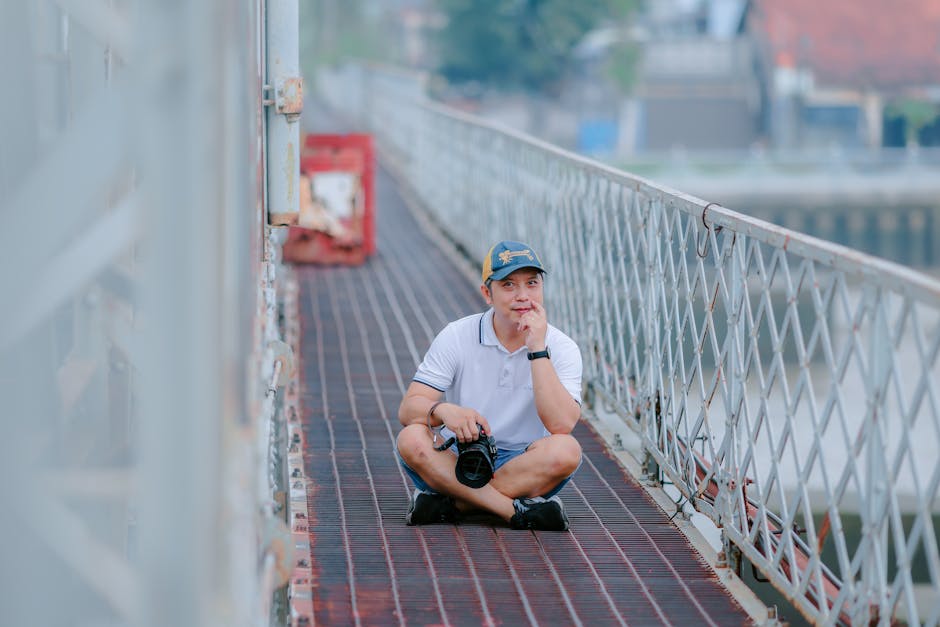
Many aspiring photographers picture travel photography as an endless vacation with a camera. They imagine getting paid to explore exotic locales, snapping a few beautiful shots, and moving on. This vision, while appealing, often misses the mark on the professional reality. Landing legitimate travel photography jobs, especially as a fresher, demands much more than just a passion for travel and a decent camera. It requires specific skills, strategic planning, and a deep understanding of the industry’s competitive landscape.
The Reality of Entry-Level Travel Photography
Getting your foot in the door as a travel photographer, fresh out of school or shifting careers, is a challenging but achievable goal. It is not a field where talent alone guarantees immediate success. The industry is saturated, and clients often seek photographers with established portfolios and extensive experience. This doesn’t mean it’s impossible for newcomers. It simply means a different approach is necessary.
Forget the idea of a dream assignment right away. Entry-level positions in travel photography are scarce and highly competitive. Many freshers start by assisting established photographers, working on smaller local projects, or creating their own travel content to build a portfolio. You will likely spend significant time on self-promotion, networking, and developing a unique photographic voice before securing significant paid travel assignments. The journey demands persistence.
Beyond Good Photos: Business Skills Matter
Exceptional photography skills are foundational. However, they are only one piece of the puzzle. Professional travel photography also requires a strong grasp of business fundamentals. You need to understand client communication, contract negotiation, copyright law, and invoicing. Without these skills, even the most stunning images may not translate into a sustainable career.
For example, knowing how to draft a clear contract that outlines usage rights, payment terms, and project scope protects both you and your client. Understanding licensing models – whether exclusive, non-exclusive, perpetual, or limited-term – is crucial for fair compensation. Many freshers overlook these administrative aspects, thinking only about the creative side. This oversight often leads to missed opportunities or undervaluing their work. Learn these basics early.
Understanding Market Demands
The market for travel photography is diverse. It spans editorial features for magazines, commercial campaigns for tourism boards, content creation for travel blogs, and even stock photography. Each segment has distinct demands and aesthetic preferences. A fresher must research these niches to understand where their style might fit best.
Some clients prioritize vibrant, aspirational imagery, while others seek authentic, documentary-style shots. Digital platforms often require images optimized for web use, complete with metadata and appropriate aspect ratios. Traditional print media still demands high-resolution files suitable for large formats. Knowing these requirements helps you tailor your portfolio and approach potential clients effectively. It saves time. It increases your chances of success.
Core Photography Skills You Must Master

Before you even think about travel, solidify your fundamental photography skills. These are non-negotiable. Without them, even the most exotic locations won’t yield compelling images. Focus on these areas:
- Manual Mode Mastery: Understand aperture, shutter speed, and ISO inside out. You need to quickly adjust settings in varying light conditions without relying on automatic modes. This control allows for creative expression and consistently sharp, well-exposed images. Practice in challenging environments.
- Compositional Excellence: Go beyond the rule of thirds. Learn about leading lines, framing, symmetry, asymmetry, negative space, and pattern recognition. Strong composition guides the viewer’s eye and adds depth to your photographs. Experiment with different angles and perspectives in everyday settings.
- Light Manipulation: Photography is fundamentally about light. Learn to identify good light, understand its direction, quality, and color temperature. Master working with natural light, both harsh midday sun and soft golden hour glow. Develop skills in using artificial light, even basic reflectors or small LEDs, to enhance your subjects.
- Post-Processing Proficiency: Your images are not finished in-camera. Proficiency with software like Adobe Lightroom or Capture One is essential. Learn culling, color correction, exposure adjustments, sharpening, and noise reduction. Develop a consistent editing style that enhances your work without making it look artificial. This step refines your vision.
- Storytelling Through Images: A single beautiful shot is good; a series of images that tell a story is powerful. Learn to connect individual photographs to convey a narrative, evoke emotion, or capture the essence of a place. Think about sequencing and how images flow together. This is especially vital for editorial and documentary travel photography.
- Gear Familiarity: Understand your equipment completely. Know its limitations and strengths. This includes your camera body, lenses, tripods, and any other accessories. You should be able to operate your gear intuitively, even in high-pressure situations, allowing you to focus on the scene, not the settings.
Crafting a Standout Portfolio
Your portfolio is your most important tool as a fresher. It’s your visual resume, demonstrating your skills, style, and potential. A weak or unfocused portfolio will quickly get overlooked. A strong one opens doors.
Don’t just fill it with every photo you’ve ever taken. Be incredibly selective. Focus on quality over quantity. Every single image should be one of your absolute best. If an image doesn’t elevate the overall quality of your portfolio, remove it. Potential clients spend only a few seconds glancing at a portfolio. Make those seconds count.
Niche Down Your Focus
Trying to be everything to everyone is a common mistake. Instead, identify a specific niche within travel photography that excites you and where you can excel. Do you love landscape photography? Adventure travel? Cultural documentation? Food and travel? Family travel? Focusing on a niche allows you to tailor your portfolio specifically to clients in that area.
For instance, if you aim for adventure travel clients, showcase dynamic images of hiking, climbing, or water sports, often with human subjects interacting with grand landscapes. If cultural storytelling is your goal, include portraits, market scenes, and architectural details that convey a sense of place and local life. A specialized portfolio demonstrates expertise and makes you memorable.
Quality Over Quantity Principles
Aim for 15-25 of your strongest, most relevant images. Organize them into cohesive galleries or projects. Each project should have a clear theme or narrative. For example, a project on “Coastal Villages of Portugal” should feature images exclusively from that theme, showcasing your ability to capture a specific destination comprehensively. Avoid including images that don’t fit the current project’s theme just to add variety.
Update your portfolio regularly. As your skills grow and your style evolves, replace older, weaker images with newer, stronger work. Get feedback from experienced photographers. A fresh pair of eyes can often spot weaknesses or areas for improvement that you might miss. This continuous refinement keeps your portfolio sharp and relevant.
Online Portfolio Platforms
An online portfolio is essential. Platforms like Squarespace, Adobe Portfolio, or Pixieset offer professional templates that make it easy to showcase your work beautifully. Ensure your chosen platform is mobile-responsive, loads quickly, and is easy to navigate. Include an ‘About Me’ section with a professional headshot, a brief bio outlining your passion for travel photography, and your contact information.
Social media platforms like Instagram can complement your main portfolio but should not replace it. Instagram is excellent for daily sharing and engagement, but a dedicated website provides a more curated, professional, and controlled viewing experience. Use high-resolution images on your portfolio site to truly show off your capabilities.
Where Freshers Find Their First Gigs

Securing your first paid travel photography assignment can feel daunting. However, several avenues exist for freshers to gain experience and build their reputation. It requires proactive effort and a willingness to explore various opportunities.
| Approach | Pros for Freshers | Cons for Freshers | Example Target |
|---|---|---|---|
| Local Tourism Boards & Businesses | Direct client contact, builds local network, relevant experience. | Lower pay initially, limited travel scope. | City tourism offices, boutique hotels, local tour operators. |
| Assistant Roles for Professionals | Hands-on learning, mentorship, networking with established photographers. | Unpaid or low pay, less creative control. | Contact successful travel photographers in your area or online. |
| Stock Photography Agencies | Passive income potential, broad exposure, low entry barrier. | Extremely low per-image payout, high competition. | Getty Images, Shutterstock, Adobe Stock. |
| Online Freelance Platforms | Access to global clients, diverse project types, quick setup. | High competition, price wars, platform fees. | Upwork, Fiverr, PeoplePerHour (for specific tasks). |
| Blogging & Content Creation | Full creative control, builds personal brand, long-term monetization. | No immediate income, requires consistent effort, slow growth. | Starting your own travel blog or YouTube channel. |
| Non-Profit/NGO Projects | Meaningful work, unique travel opportunities, great portfolio pieces. | Often volunteer or low pay, specific skill sets required. | Local charities, international aid organizations (e.g., Doctors Without Borders, smaller community initiatives). |
Each of these avenues offers a different entry point into the industry. Combining several approaches often yields the best results. For example, dedicating some time to stock photography for a small income while actively seeking assistant roles can provide both experience and a modest revenue stream. The key is to be persistent and adaptable.
Networking Is Non-Negotiable
This is a relationship business. Success in travel photography, especially for freshers, often hinges on who you know. Simply having a great portfolio is not enough. You must actively build connections within the industry. Many jobs are never advertised; they are filled through referrals and word-of-mouth. Attend workshops. Engage with online communities. Reach out to photographers you admire. Relationships open doors.
Do not underestimate the power of a genuine connection. People hire those they know, like, and trust. Being present, helpful, and consistently producing quality work within your network will eventually lead to opportunities. It’s a marathon, not a sprint. Show up. Be authentic. Offer value first.
Finding Mentors and Communities
Seek out experienced travel photographers who might be willing to offer advice or even mentorship. Many photographers are generous with their knowledge. Join online photography forums, Facebook groups dedicated to travel photography, or local photography clubs. These communities offer valuable insights, critiques, and potential networking opportunities.
Consider volunteering for local events or projects that align with your interests. This is an excellent way to meet people and demonstrate your commitment. Remember to approach these interactions with respect and a genuine desire to learn, not just to ask for a job. Focus on building rapport and offering assistance where you can.
Local Events and Workshops
Attending photography workshops, even local ones, provides opportunities to learn new techniques and connect with instructors and fellow students. These events are often smaller, allowing for more personal interactions. Industry trade shows or conferences, while larger, also offer chances to meet gear representatives, editors, and other photographers. Always carry business cards or have a digital portfolio ready to share.
Engage actively. Ask thoughtful questions. Follow up with new contacts. A simple, polite email thanking someone for their time can leave a lasting positive impression. These efforts compound over time, slowly building your professional circle and increasing your visibility within the industry.
Understanding Fair Rates and Basic Contracts
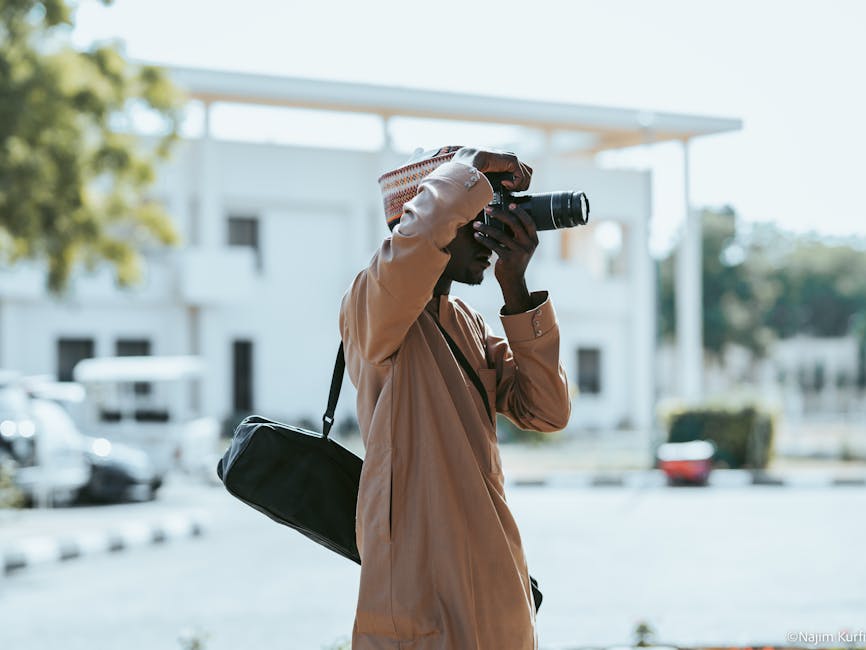
As a fresher, one of the trickiest aspects is knowing how to price your work and protect your rights. Undervaluing yourself is common but detrimental. Understanding basic contract elements provides essential protection and ensures fair compensation for your creative effort.
How Do I Price My Work as a Fresher?
Pricing varies greatly based on the project scope, client type, usage rights, and your experience level. As a fresher, you might start with project-based fees, day rates, or even hourly rates for smaller assignments. Research what other entry-level photographers in similar niches charge. For simple assignments, day rates for freshers might range from $150 to $500, not including expenses. For licensing existing images, consider factors like the client’s size, distribution, and duration of use. Never give your work away for free unless it’s a very strategic collaboration that directly benefits your portfolio and network. Even then, ensure usage rights are clearly defined.
What Are Usage Rights?
Usage rights define how a client can use your photographs. This is critical. You, the photographer, typically own the copyright to your images. When you license an image, you grant the client permission to use it under specific conditions. These conditions include the duration of use (e.g., one year, perpetually), the geographical reach (e.g., local, national, worldwide), and the medium (e.g., website, print magazine, social media). Always clarify if the license is exclusive (only the client can use it) or non-exclusive (you can license it to others). Be explicit. If a client wants ‘all rights,’ understand that means giving up future income potential from those images. Negotiate carefully.
Why Do I Need a Contract?
A written contract protects both you and the client by clearly outlining the terms of your agreement. It prevents misunderstandings and provides legal recourse if issues arise. Essential clauses in a photography contract include project description, deliverables (number of images, file types), timeline, payment schedule, usage rights, cancellation policy, and indemnification. Even for small projects, a simple, clear contract template can save significant headaches. Never start work without a signed agreement. It’s professional practice. It protects your livelihood.
Sustaining a Career in Travel Photography
Success in travel photography isn’t about a single big break. It’s about continuous learning, adaptation, and consistent effort over time. The industry evolves quickly, demanding photographers stay current with trends, technologies, and client needs. Treat your craft as a lifelong journey of improvement and exploration.
Landing your first travel photography job requires diligent skill development, strategic portfolio building, and relentless networking. Focus on making genuine connections and providing undeniable value.