
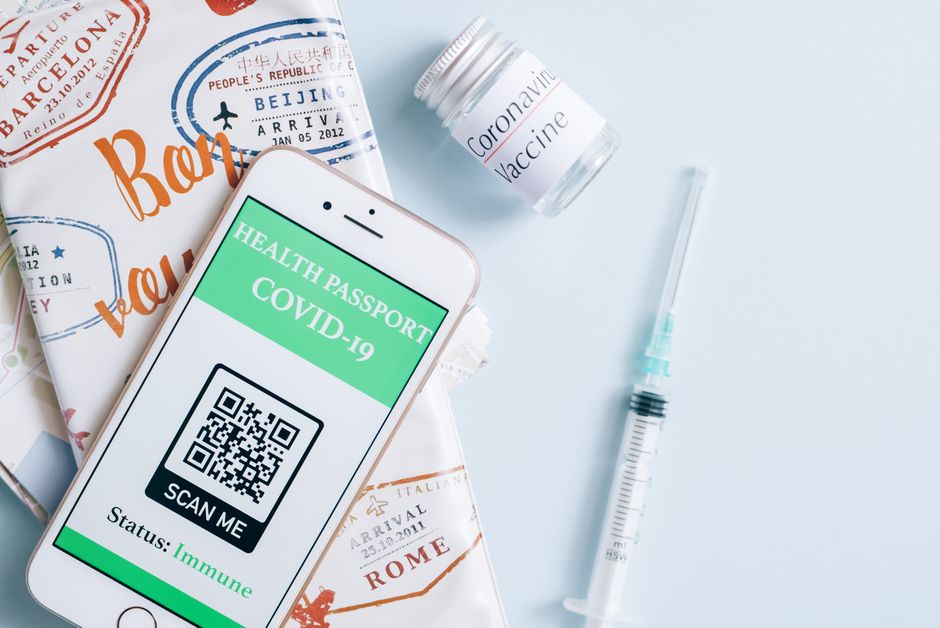
You booked the flight to Oaxaca or Playa del Carmen. The hotel is sorted. Then someone at work says, “You got your shots for Mexico, right?” And now you’re spiraling through CDC pages at 11pm trying to figure out if typhoid is actually a thing in Tulum. I’ve done this research twice now for trips to Mexico City and the Yucatán, and the gap between official recommendations and what travelers actually need is wider than you’d think.
Here’s the short version: most travelers need two vaccines, maybe three. Not eight. And one of them you probably already got as a kid.
Routine Vaccines First, Then the Travel-Specific Ones
Before you book a $150 travel clinic appointment, check your childhood immunization records. Mexico doesn’t require proof of any special vaccines for entry, but the CDC and WHO both frame their recommendations around what you should already have from routine care in the US, Canada, or Europe. If you’re up to date on routine shots, you’ve already knocked out half the list.
What counts as routine
- MMR (Measles, Mumps, Rubella) — Two doses for adults born after 1957. Mexico had measles outbreaks in recent years, and this one matters more than most travelers assume.
- Tdap (Tetanus, Diphtheria, Pertussis) — You need a Td booster every 10 years, but the pertussis component matters if you’re around kids or staying in rural areas.
- Varicella (Chickenpox) — Two doses if you never had the disease. Not a Mexico-specific risk, but travel clinics will ask.
- Polio — One-time adult booster if you completed the childhood series and are traveling to states with lower vaccination coverage (parts of Chiapas and Guerrero).
- Annual flu shot — Worth getting if you’re traveling between November and March, especially on crowded buses or flights.
The failure mode here is paying a travel clinic to tell you to get vaccines your regular doctor would give you for free under insurance. Call your primary care office first. Ask for a records check. Then go to a travel clinic only for the travel-specific stuff.
The Two Vaccines Most Travelers Should Actually Get
For a standard trip to Mexico City, Oaxaca, the Riviera Maya, Puerto Vallarta, or Los Cabos, the CDC puts two vaccines on the “recommended for most travelers” list: Hepatitis A and Typhoid. Both protect against contaminated food and water, which is the real health risk in Mexico, not exotic jungle diseases.
Hepatitis A
Hep A spreads through food and water handled by someone with the virus. It doesn’t cause chronic liver disease, but it can knock you out for weeks. The vaccine is a two-dose series (Havrix or Vaqta), with the first dose given at least two weeks before travel. That first shot alone is about 85-90% effective. The second dose six months later gets you to nearly 100% and lasts 20+ years.
Cost at a pharmacy: $75-120 per dose without insurance. Many insurance plans cover it as preventive care. If you’re 40+ or have liver issues, this one is non-negotiable.
Typhoid
Typhoid fever comes from Salmonella Typhi bacteria in contaminated food or water. The risk is lower for resort-heavy trips, but street food in Mexico City or market meals in Oaxaca change the math. You have two options: an oral live vaccine (Vivotif, four capsules taken every other day, lasts about 5 years) or a single injection (Typhim Vi, lasts 2-3 years). The oral version costs around $85-100. The injection is $100-130.
My pick for most travelers: the oral Vivotif. No needle, you can start it a week before departure, and it’s slightly cheaper. But if you’re on antibiotics or have a weakened immune system, the injection is the only safe choice.
| Vaccine | Brand Name | Doses Needed | Typical Cost (US, no insurance) | Protection Window |
|---|---|---|---|---|
| Hepatitis A | Havrix, Vaqta | 2 (second at 6 months) | $75-120 per dose | 20+ years after series |
| Typhoid (oral) | Vivotif | 4 capsules, every other day | $85-100 | 5 years |
| Typhoid (injection) | Typhim Vi | 1 | $100-130 | 2-3 years |
| Tdap booster | Adacel, Boostrix | 1 every 10 years | $45-65 | 10 years |
When You Might Need Rabies or Malaria Pills (And When You Don’t)
This is where the CDC recommendations get misinterpreted. The CDC lists Rabies as “recommended for some travelers” and Malaria prophylaxis as “recommended for some areas.” That doesn’t mean every traveler to Mexico needs a rabies series or a bottle of Malarone. It means your itinerary determines it.
Rabies: only for specific situations
Rabies exists in Mexico, mostly in dogs and bats. But the pre-exposure vaccine (RabAvert or Imovax, two or three doses at $250-400 per dose) is only worth it if you’re doing cave exploration, working with animals, or spending extended time in very remote areas where post-exposure treatment would be hard to access. If you’re staying in a hotel in Cancún or an Airbnb in Roma Norte, skip it. If you get bitten by a dog, you can still get post-exposure treatment in any Mexican city within 24-48 hours.
Malaria: mostly not a concern
Malaria transmission in Mexico is limited to specific rural pockets in Chiapas and along the Guatemala border. The CDC does not recommend malaria prophylaxis for Mexico City, the Yucatán Peninsula, Oaxaca City, or the Pacific coast resorts. If you’re trekking in the Lacandon Jungle or staying in rural Chiapas, talk to a travel doctor about Malarone (atovaquone-proguanil, about $7-10 per pill). For the other 95% of travelers, this is a non-issue.
The mistake people make is treating the CDC’s “some travelers” list as a checklist. It’s not. It’s a risk-stratified guide. Your itinerary is the filter.
What a Travel Clinic Visit Actually Costs and How to Do It Cheaper

Travel clinic pricing in the US is wildly inconsistent. A full consult plus vaccines at Passport Health or a hospital travel medicine department can run $300-500 per person. But you don’t always need the full package.
- Check your insurance first. Many plans cover Hep A and Tdap as preventive care with $0 copay. Typhoid and rabies are usually not covered, but the clinic visit itself might be.
- Use a pharmacy for routine shots. CVS MinuteClinic and Walgreens offer Hep A, Tdap, and flu shots at transparent prices. No consult fee.
- Skip the yellow fever conversation entirely. Mexico does not require yellow fever vaccination unless you’re arriving from a country with yellow fever transmission (Brazil, parts of Africa). If you’re flying from the US or Europe, this is irrelevant.
- Book 4-6 weeks out. Hep A needs two weeks to build immunity. Typhoid oral needs a week. Don’t be the person calling a clinic three days before a flight and paying a rush fee.
If you’re traveling from the UK, Canada, or Australia, the math changes slightly. NHS travel clinics in the UK charge for Hep A and typhoid but often less than US private clinics. Canadian provincial health plans don’t cover travel vaccines, so expect similar out-of-pocket costs to the US. Australian travelers can get some travel vaccines subsidized through the PBS, but Hep A and typhoid are still private scripts.
Food and Water Precautions Matter More Than Any Vaccine

Here’s the uncomfortable truth: no vaccine protects you from the most common travel illness in Mexico, which is traveler’s diarrhea. Hep A and typhoid vaccines reduce specific risks, but the bacteria and parasites that cause most stomach issues (E. coli, norovirus, giardia) have no vaccine. Your behavior matters more than your immunization record.
Stick to bottled or filtered water. Skip ice in rural areas but not necessarily in Mexico City or resort zones where purified ice is standard. Eat at busy street stalls where food turnover is high. Avoid raw produce you didn’t peel yourself unless you trust the source. Carry oral rehydration salts (DripDrop or Liquid I.V., $10-15 for a pack) and a basic anti-diarrheal like Imodium for emergencies. Some travelers bring azithromycin as a standby antibiotic, but that requires a prescription and a conversation with your doctor about whether it’s appropriate for you.
If you’re vegetarian or vegan, the food risk is actually lower in one way: you’re not eating undercooked meat, which eliminates some bacterial risks. But raw salads and fresh salsas carry the same waterborne risks as they do for anyone else. Don’t assume a vegetarian diet protects you from contaminated produce.
One more thing: dengue fever is present in Mexico, especially during the rainy season (June to October). There’s no widely available vaccine for most travelers (Dengvaxia is approved only for specific populations in endemic areas). Your defense is mosquito repellent with 20-30% DEET or picaridin, applied during the day, not just at night. Pack a bottle of Sawyer Picaridin lotion ($9) or Ben’s 30% DEET wipes ($12 for a pack).
The single most important takeaway: get your routine vaccines updated, add Hep A and typhoid for most trips, and spend more energy on food and water precautions than on chasing every vaccine on the CDC’s list.