Ireland is not in the Schengen Area. That single fact causes more border denials and missed flights than any other visa misunderstanding. Travelers assume their Schengen visa covers Ireland. It doesn’t. Ireland runs its own immigration system through the Irish Naturalisation and Immigration Service (INIS). A German Schengen visa means nothing at Dublin Airport. Period.
This guide cuts through the embassy jargon and tells you exactly what applies to your passport, what documents matter, and what to avoid. No fluff.
Do You Even Need a Visa? Check Your Passport First
Most readers of this site hold a passport from the US, Canada, Australia, or an EU country. Here’s the fast answer.
US citizens: No visa required for tourism or business stays up to 90 days. You need a valid passport. That’s it. Your passport just needs to remain valid for the duration of your stay. Ireland does not require six months of remaining validity like some countries do.
Canadian citizens: Same deal. No visa for stays up to 90 days. Valid passport required.
Australian citizens: No visa for stays up to 90 days. Valid passport required.
EU/EEA citizens: No visa. You can enter with a national ID card if you’re from an EU country. You have the right to live and work in Ireland under EU freedom of movement rules. No stamp, no fee, no application.
UK citizens: No visa. The Common Travel Area (CTA) between Ireland and the UK means British citizens can enter Ireland freely with just a passport or even a driver’s license in some cases. No time limit on stays.
If your passport is from India, China, South Africa, Nigeria, or most countries in Asia, Africa, and South America, you likely DO need a visa. Check the official INIS website before booking flights. The list changes. Don’t trust a random blog post from 2019 for this. Go to irishimmigration.ie and look up your nationality.
The Schengen Trap That Catches Americans Too
Here’s where smart travelers mess up. They spend three weeks in France, Spain, and Italy on a Schengen visa, then fly to Dublin thinking it’s all the same. It is not. Ireland is in the EU but outside Schengen. Your Schengen visa or entry stamp does not transfer. If you need a visa for Ireland, you need a separate Irish visa. No exceptions.
The reverse also applies. An Irish visa does not let you enter France or Germany. You need a Schengen visa for those countries.
Short-Stay Visa: The Documents That Actually Matter
If you do need a visa, you’re applying for a Short Stay ‘C’ Visa. This covers tourism, visiting family, business meetings, and short courses under 90 days. The application goes through the Irish visa office, not a third-party agency. Anyone offering to “guarantee” your Irish visa for a fee is scamming you. The decision rests solely with INIS.
Here’s what you need. Not what some checklist from 2018 says. What actually gets approved.
- Passport: Valid for at least 6 months after your planned departure from Ireland. Two blank pages minimum.
- Visa application form: Completed online via the AVATS system. Print it and sign it.
- Two passport photos: 35mm x 45mm, white background, taken within the last 6 months. No smiling. No glasses.
- Proof of accommodation: Hotel bookings, a letter from your host, or Airbnb confirmations. For a vegetarian traveler staying with friends, a letter from the host with their address and phone number works.
- Proof of funds: Bank statements from the last 6 months. They want to see consistent balance, not a sudden $10,000 deposit two days before applying. That triggers fraud checks.
- Travel insurance: Coverage of at least €30,000 for medical emergencies. AXA Schengen and SafetyWing both offer policies that work for Ireland.
- Flight itinerary: A return ticket or reservation. Don’t buy a non-refundable ticket before the visa is approved. Use a refundable fare or a flight reservation service.
- Employment letter: If you work, a letter from your employer stating your role, salary, and approved leave dates. This proves you intend to return home.
The Document People Forget
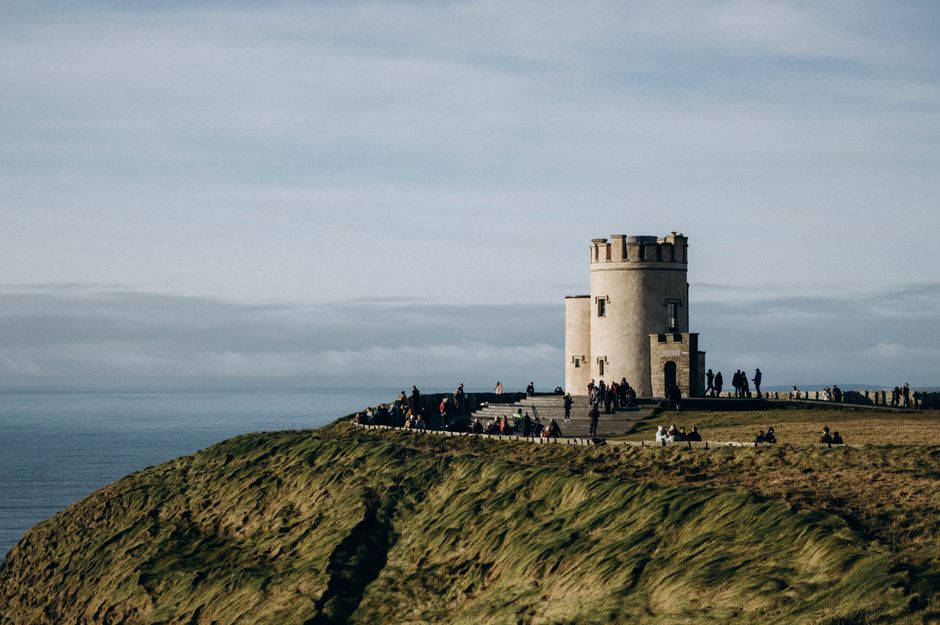
A cover letter. Yes, it’s not on the official list. But visa officers read them. A one-page letter explaining why you’re visiting Ireland, your itinerary, and your ties to your home country clears up ambiguity. Mention that you’re a vegetarian traveler planning to explore Cork’s food scene or hike the Cliffs of Moher. Specifics build credibility. “I want to visit Ireland” does not.
Visa Fees and Processing Times: The Real Numbers
Let’s talk money and time. The standard single-entry short-stay visa costs €60. A multiple-entry visa costs €100. You pay this fee online when you submit your application. It is non-refundable. Even if your visa is denied, you don’t get the fee back.
Processing times vary wildly by country. Applications from India and China currently take 4 to 8 weeks during peak season. Applications from Nigeria and Pakistan can take 8 to 12 weeks. The Irish embassy in London processes some applications in 10 working days. Don’t book flights until you have the visa in your passport. Not the approval email. The physical stamp.
| Passport Type | Visa Needed? | Max Stay | Fee | Processing Time |
|---|---|---|---|---|
| US, Canada, Australia | No | 90 days | Free | N/A |
| EU/EEA | No | Unlimited | Free | N/A |
| UK | No | Unlimited | Free | N/A |
| India, China, South Africa | Yes | 90 days | €60-€100 | 4-8 weeks |
| Nigeria, Pakistan, Philippines | Yes | 90 days | €60-€100 | 8-12 weeks |
For vegetarians traveling from visa-required countries, factor this processing time into your planning. You’re not just booking a flight. You’re booking a flight 3 months out. That changes everything about trip planning.
The Border Interview: What Happens When You Land in Dublin
Here’s the part nobody prepares for. Even with a valid visa or visa-free passport, the immigration officer at Dublin Airport can deny you entry. They have full discretion. Your visa is not a guarantee of admission. It’s permission to travel to the border. That distinction matters.
The officer will ask you three things. Have your answers ready.
“What is the purpose of your visit?” Say tourism. Be specific. “I’m here for 10 days. I’m starting in Dublin, then taking the train to Galway, then down to Killarney National Park. I’m vegetarian, so I’ve researched restaurants in each city.” That answer shows preparation. It shows you’re a genuine tourist, not someone planning to overstay and work illegally.
“Where are you staying?” Have the address. Not just “a hotel in Dublin.” Have the actual name: “The Generator Hostel on Smithfield Square, Dublin 7.” If staying with friends, have their name, address, and phone number. You can show the booking confirmation on your phone.
“How much money do you have?” Have a number. “€800 in my bank account and a credit card with a €5,000 limit.” Show a bank statement if asked. This proves you can support yourself without working illegally.
The Mistake That Gets People Sent Home
Lying about working. If you say you’re visiting for two weeks but your Instagram shows you promoting a yoga retreat in Cork, the officer can check. They do check social media. They do deny entry for misrepresentation. A ban from Ireland is a ban from the UK too under the Common Travel Area data sharing. Don’t risk it.
For vegetarian travelers, this is straightforward. You’re here to eat, hike, and see castles. Say that. Mean it. Done.
When NOT to Apply for an Irish Visa
There are situations where applying for an Irish visa is the wrong move. Here’s when to skip it.
- You’re traveling to Northern Ireland only. Belfast is in the UK, not the Republic of Ireland. UK visa rules apply. An Irish visa does not cover Belfast. A UK visa does not cover Dublin. If your trip is just to Northern Ireland, apply for a UK Standard Visitor visa instead.
- You have a valid UK visa with a BIVS endorsement. The British-Irish Visa Scheme (BIVS) allows certain Indian and Chinese nationals with a UK visa to enter Ireland without a separate Irish visa. Check if your UK visa has the BIVS stamp. If it does, you’re covered for Ireland too.
- You’re transiting through Dublin Airport only. If you don’t leave the airport and your connecting flight is within 24 hours, you may not need a visa. Some nationalities need a transit visa. Check the INIS transit visa list before assuming.
- You’re an EU citizen’s family member. If your spouse or parent is an EU citizen and you’re traveling with them, you may be exempt from visa requirements under EU free movement law. This applies even if your own nationality would normally require a visa. You’ll need proof of the relationship and that you’re traveling together.
For most vegetarian travelers reading this, the answer is simple: check your passport, apply early if needed, and bring real documents to the border. The Irish immigration system is not designed to catch tourists. It’s designed to catch people who lie. Don’t lie. Don’t overstay. Don’t work without permission. Follow those three rules and Dublin Airport is just another airport.
Quick Verdict: Ireland Visa Cheat Sheet
- US, Canada, Australia, EU, UK passport holders: No visa. Valid passport. Go.
- India, China, South Africa, Nigeria, and most of Asia/Africa: Apply for a Short Stay ‘C’ Visa at least 8 weeks before travel. Fee €60-€100.
- Schengen visa holders: Your Schengen visa does NOT cover Ireland. Apply separately.
- UK visa holders with BIVS endorsement: You’re covered for Ireland. Check the stamp.
- Everyone: Bring proof of accommodation, funds, and return flight to the border. Have real answers ready.