
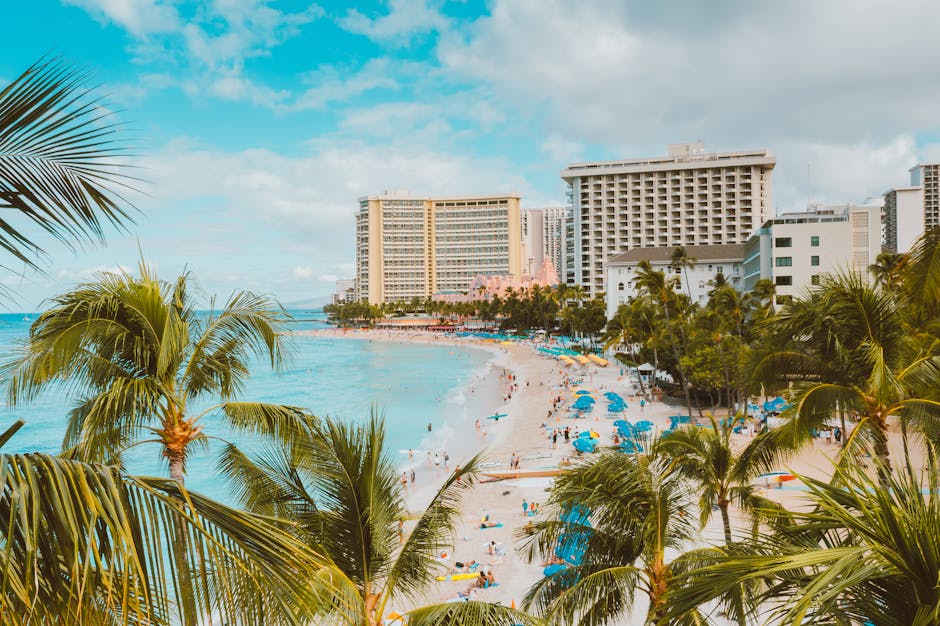
You booked a week in late September expecting 30°C days and empty beaches. Instead, you got a tropical storm warning, a hotel lobby full of families, and a pool that closed at 6 PM. That failure cost you £1,200 and a year of saved leave.
September is the trickiest month to travel. School holidays end in Europe, hurricane season peaks in the Atlantic, and monsoon rains hit Southeast Asia. Yet it’s also the month when savvy travelers can snag 40% discounts and near-empty beaches — if they pick the right place.
These seven destinations deliver consistent 28°C+ temperatures in September, but they avoid the three traps that ruin most autumn trips: rain, crowds, and overpriced accommodation. Every pick is backed by historical weather data and booking trends.
Why Most September Destinations Fail — The Data
September travel failures fall into three categories. First, the hurricane belt. The Atlantic hurricane season peaks between mid-August and late October. Cancún, Orlando, and the Bahamas see a 12–15% chance of a named storm making landfall in any given September week. That’s a coin flip you don’t want to take with non-refundable flights.
Second, the monsoon hangover. Thailand, Vietnam, and Bali still receive 200–400mm of rain in September. Koh Samui averages 18 rainy days. You can get lucky, but the odds are against you.
Third, the price plateau. Many “shoulder season” destinations like southern France and Tuscany keep high-season prices through mid-September because European families still book. A villa in Provence costs the same on September 10 as it does on August 10.
The solution is simple: go where the weather is reliably hot and dry, where school holidays have ended, and where the local tourism board doesn’t rely on summer-only staff. These seven destinations pass all three tests.
7 Hot September Destinations That Actually Deliver
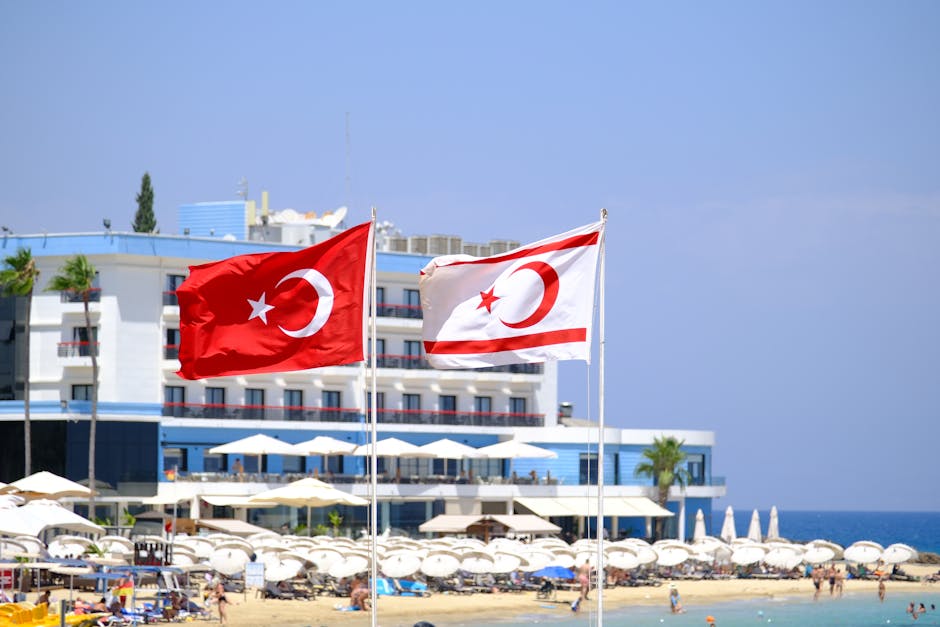
Each destination below meets three criteria: average high temperature above 28°C, fewer than 6 rainy days in September, and at least a 25% price drop from August peak season. Data from World Weather Online and Skyscanner averages.
1. Crete, Greece — 29°C, 3 Rainy Days
Crete is the safest bet in the Mediterranean for September heat. The meltemi winds fade by late August, leaving calm seas and clear skies. Chania and Rethymno drop to 22°C at night — comfortable for sleeping without air conditioning.
Flight prices from London drop 35% after September 5. A week in a 4-star hotel near Elafonisi Beach runs €600–€800 per person in mid-September versus €1,100 in August.
What to watch: The southern coast (Matala, Ierapetra) stays 2–3°C warmer than the north. If you want serious heat, skip Heraklion and head south.
2. Algarve, Portugal — 28°C, 2 Rainy Days
The Algarve is the driest region in mainland Europe in September. Lagos and Albufeira average just 12mm of rain for the entire month. Water temperatures hit 22°C — swimmable without a wetsuit.
The real advantage here is daylight. Sunset is around 7:30 PM, giving you long evenings. Restaurants in Tavira and Carvoeiro shift to autumn menus with fresh sardines and cataplana at 20% less than July prices.
Book accommodation west of Faro. The eastern Algarve (Olhão, Tavira) is quieter and cheaper, with direct beach access and fewer golf tourists.
3. Fethiye, Turkey — 31°C, 4 Rainy Days
Fethiye on Turkey’s Turquoise Coast is hotter than Crete and cheaper than the Algarve. September averages 31°C with sea temperatures at 26°C. The paragliding season peaks here — tandem flights from Babadağ Mountain cost €120–€150 and run through October.
All-inclusive resort prices drop 40% after September 10. A week at the Liberty Hotels Lykia (5-star, half-board) costs £550 per person in mid-September versus £900 in August.
The catch: avoid the first week of September when domestic Turkish tourists still fill coastal towns. Book from September 10 onward.
4. Lanzarote, Canary Islands — 29°C, 1 Rainy Day
Lanzarote is the driest Canary Island. September averages one rainy day — sometimes zero. The calima (hot wind from the Sahara) can push temperatures to 35°C for a day or two, but it passes quickly.
This is a windsurfing and kitesurfing hub. Famara Beach has consistent cross-shore winds in September. Equipment rental runs €40–€60 per day, half the price of August.
Skip the resort strip at Playa Blanca. Rent a villa in the interior near Haría — 20 minutes from the beach, half the price, and genuine local restaurants.
5. Dalmatian Coast, Croatia — 28°C, 5 Rainy Days
Dubrovnik, Hvar, and Korčula stay warm through September without the July-August cruise ship crowds. The city walls in Dubrovnik are walkable at 8 AM without queueing. Ferry schedules to the islands run until late October.
Prices drop sharply after September 5. A private apartment in Hvar Old Town costs €80–€120 per night in September versus €200+ in August. Island-hopping tours cost €100–€150 per person for a full day, including lunch and wine.
One warning: the bura wind can kick up in late September. It’s cold and gusty. If you’re island-hopping, stick to the southern islands (Korčula, Mljet) which are more sheltered.
6. Essaouira, Morocco — 27°C, 3 Rainy Days
Essaouira is cooler than Marrakech (which hits 35°C in September) but the trade-off is the Alizee wind — a constant breeze that keeps temperatures pleasant. It’s a windsurfing and kitesurfing destination, but the old medina and fresh seafood markets are the real draw.
September is the start of the sardine season. The port auctions run daily at 4 PM. A grilled sardine lunch with bread and salad costs €5–€7 at the harbor restaurants.
Accommodation in the medina (riad) costs €40–€70 per night. Book a room with a rooftop terrace — sunset over the Atlantic is worth the extra €10.
7. Kyrenia, Northern Cyprus — 31°C, 2 Rainy Days
Northern Cyprus is overlooked by most European travelers. Kyrenia (Girne) averages 31°C in September with sea temperatures at 27°C. The Five Finger Mountains shelter the coast from north winds, keeping conditions stable.
Prices are 30–50% lower than the Greek Cypriot south. A week at the Merit Royal Hotel (5-star, all-inclusive) costs £450 per person in September. Direct flights from London to Ercan Airport run daily.
Rent a car (€25–€35 per day) to explore the Karpas Peninsula — empty beaches and wild donkeys. Avoid the buffer zone areas near Nicosia unless you have a specific interest.
September Weather Comparison — 7 Destinations Side by Side
| Destination | Avg High (°C) | Rainy Days | Sea Temp (°C) | Price Drop from Aug | Best For |
|---|---|---|---|---|---|
| Crete, Greece | 29 | 3 | 24 | 35% | Beach + hiking |
| Algarve, Portugal | 28 | 2 | 22 | 25% | Dry heat, long evenings |
| Fethiye, Turkey | 31 | 4 | 26 | 40% | All-inclusive, paragliding |
| Lanzarote, Spain | 29 | 1 | 22 | 30% | Windsurfing, guaranteed sun |
| Dalmatian Coast, Croatia | 28 | 5 | 23 | 35% | Culture, island hopping |
| Essaouira, Morocco | 27 | 3 | 21 | 30% | Wind sports, food |
| Kyrenia, N. Cyprus | 31 | 2 | 27 | 40% | Budget luxury, empty beaches |
When NOT to Book a Hot September Destination
Not everyone should chase heat in September. Here are three scenarios where you should pick a different month or a different destination.
If you’re booking for the first week of September. School holidays in the UK and Germany end around September 3–5. The first week still has peak-season crowds and prices. Wait until September 10 or later for the real discounts.
If you’re set on the Caribbean or Florida. Hurricane risk is highest in September. Even if a storm doesn’t hit your resort, flight cancellations and resort closures can derail the trip. The Bahamas, Cancún, and Orlando are best visited from December to April.
If you want guaranteed pool weather every single day. No Mediterranean destination guarantees zero rain in September. The Algarve and Lanzarote come closest, but a single cloudy day is possible. If you need 14 days of solid sun, go in July or August — and pay the premium.
The tradeoff is real: September gives you lower prices and fewer tourists, but you trade a small chance of a rainy day for those benefits. For most travelers, that’s a good deal.
How to Book Without Getting Burned
September bookings require different strategies than summer or winter. Here’s what the data says.
Book flights 6–8 weeks out. Skyscanner data shows that September flight prices bottom out 45–55 days before departure. That means booking in mid-July for a mid-September trip. Last-minute September deals are rare because airlines cut capacity after summer.
Use flexible dates. Flying on a Tuesday or Wednesday instead of Saturday saves 20–30% on September routes to Greece and Turkey. Use the Skyscanner “whole month” view to find the cheapest day.
Check the cancellation policy. Many hotels in Turkey and Greece offer free cancellation up to 7 days before arrival in September. Booking direct (not through an OTA) often gets you better terms. Read the fine print on weather-related cancellations — most standard policies don’t cover rain.
Get travel insurance that covers weather disruption. Standard policies exclude “known events” — if a hurricane is forecast when you book, you’re not covered. Buy the policy within 14 days of booking your first trip payment to get the broadest coverage. Premiums for a week in Greece run £15–£30. That’s cheaper than rebooking a missed flight.
The September travel market is fragmented. Hotels drop prices unevenly — some slash 50%, others hold firm. The destinations listed above have the most consistent discounts because they’ve invested in year-round tourism infrastructure. That’s not an accident. It’s by design.