
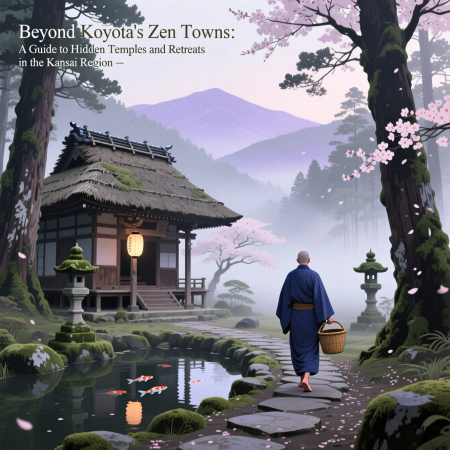
Why Explore Zen Towns Beyond Kyoto?
Kyoto may be Japan’s Zen capital, but the Kansai region offers many underrated Zen towns waiting to be discovered. These quieter places provide a deeper dive into Zen Buddhism’s rich history and day-to-day practices, especially tied to the Rinzai and Soto sects, which spread widely throughout Kansai since the Kamakura period.
While Kyoto’s temples attract crowds and tourists, exploring beyond reveals peaceful meditation spots with authentic shukubo stays—traditional temple lodgings that welcome visitors. These hidden gems offer:
- Calm, reflective environments perfect for zazen (seated meditation)
- Genuine shojin ryori meals (vegetarian monk cuisine)
- More affordable access with fewer tourists
- Opportunities for meaningful interactions with monks and locals
Historical Context: Zen in Kansai
- Rinzai School: Known for koan practice, rock gardens, and discipline, key temples dot the region.
- Soto School: Emphasises silent zazen and simple rituals, with many active training temples just outside Kyoto and Osaka.
By venturing beyond, travelers find not only spiritual depth but a refreshing escape from crowds and commercialized tourism.
Quick Comparison: Zen Towns vs. Kyoto Hotspots
| Zen Town | Crowd Levels | Key Zen Features | Travel Time from Kyoto/Osaka |
|---|---|---|---|
| Koyasan (Wakayama) | Low | Temple stays, Okunoin Cemetery | ~2.5 hours |
| Enryaku-ji (Shiga) | Low | Zazen, hiking trails | ~1.5 hours |
| Yoshino (Nara) | Moderate | Shugendo trails, temple lodging | ~2 hours |
| Awaji Island (Hyogo) | Very Low | Modern Zen retreats, meditation | ~2 hours |
| Miidera (Shiga) | Low | Hidden gardens, tea ceremonies | ~1 hour |
Exploring these Kansai off the beaten path spots guarantees a more personal, serene Zen experience. Next up: the sacred mountain of Koyasan and its timeless temple stays.
Koyasan (Mount Koya), Wakayama Prefecture
Koyasan stands as the spiritual heart of Shingon Buddhism in Japan, housing over 100 temples scattered across this sacred mountain. While it’s known for its deep religious roots, many visitors come for the peaceful Zen experiences that Koyasan offers, making it a unique blend of tradition and tranquility.
One of the must-visit sights here is Okunoin Cemetery, an atmospheric and vast resting place where ancient cedar trees tower over centuries-old tombstones. Another highlight is Kongobu-ji Temple, famous for its massive Japanese rock garden, a perfect spot to reflect and absorb the serene environment.
The Koyasan temple stay experience is truly special. Many shukubo (temple lodgings) offer overnight stays that include participation in morning prayers and traditional zazen sessions, giving travelers a genuine taste of monastic life. Meals here feature authentic vegetarian shojin ryori cuisine, crafted from seasonal, local ingredients that align with Buddhist dietary customs.
After dark, guided night walks through Okunoin or temple grounds provide a meditative way to connect with the spiritual ambiance. Access to Koyasan is made easy via a scenic cable car ride from the foot of the mountain, and it’s best to book your shukubo in advance, especially during busy seasons like autumn.
If you’re seeking a quiet retreat steeped in spiritual history, Koyasan offers an immersive and affordable option for those looking to dive deeper into Buddhist practice and Zen meditation. For travelers interested in exploring vegetarian-friendly culinary traditions alongside their spiritual journey, it complements well with guides to mindful travel and cuisine.
Enryaku-ji Temple Complex, Mount Hiei, Shiga Prefecture
Enryaku-ji is the historic Tendai Buddhism headquarters perched atop Mount Hiei, overlooking the stunning Lake Biwa. Recognized as a UNESCO World Heritage site, this temple complex offers more than just rich history—it’s a peaceful retreat with deep spiritual roots. Key spots to visit include the Kompon Chudo hall, a serene place for meditation, surrounded by ancient cedar trees along hiking trails that invite quiet reflection.
For those seeking authentic Zen experiences, Enryaku-ji offers guided zazen sessions and the opportunity to try sutra copying, both great ways to calm the mind and connect with tradition. The panoramic views across Lake Biwa make this a perfect spot for contemplation and spiritual recharge.
Planning a day trip here is easy: take the cable car from the Kyoto side up Mount Hiei. Many visitors combine this with a visit around Lake Biwa to enjoy the natural beauty and quieter temples nearby, making it an underrated yet enriching Kansai Zen destination.
For more on enjoying mindful vegetarian cuisine during your spiritual travels, check out this detailed guide to vegetarian paradise destinations that can inspire your shojin ryori experience.
Yoshino and Kinpusen-ji, Nara Prefecture
Yoshino and Kinpusen-ji offer a unique blend of mountain asceticism known as Shugendo, infused with deep Zen influences, making this area a spiritual haven beyond the usual Kansai Zen spots. Kinpusen-ji, the head temple here, stands out for its impressive architecture and sacred atmosphere, especially striking during spring when cherry blossom tunnels create breathtaking scenery perfect for meditation and reflection.
Visitors can immerse themselves in pilgrimage trails winding through ancient forests and rugged terrain, providing both physical and spiritual renewal. Temple lodging options here allow for authentic shukubo experiences where you can participate in seasonal rituals that have been practiced for centuries. This living tradition combines nature’s tranquility with Zen mindfulness, ideal for travelers seeking a deeper connection to Kansai’s spiritual roots.
Getting to Yoshino is straightforward: trains run regularly from Osaka or Nara, offering convenient access to this underrated Zen destination. Its blend of natural beauty and spiritual focus makes Yoshino and Kinpusen-ji perfect for those after a harmonious nature-Zen fusion experience.
For more on vegetarian temple cuisine you might encounter during your stay, check out this insightful guide on the evolving world of shojin ryori in different cultural contexts.
Eiheiji-Area Influences and Nearby Retreats on Kansai Edges
Though Eiheiji Temple itself lies just outside Kansai, its deep Soto Zen roots influence several quiet temple towns along the southern edge of the region. These lesser-known spots offer accessible retreats where active monk training continues, making them ideal for travelers seeking authentic Zen practice away from the crowds.
Visitors can join full-day zazen programs, participate in calm garden viewing sessions, and soak in the peaceful atmosphere cultivated by generations of Soto Zen monks. These retreats focus on mindfulness and meditative discipline, perfect for a serious, immersive experience.
For travel planning, consider combining your visit with trips near the Fukui border to deepen your Zen practice. This area’s relative calm and traditional settings complement Kansai’s more popular Zen destinations, providing a balanced spiritual journey.
Zenbo Seinei and Awaji Island, Hyogo Prefecture
Awaji Island in Hyogo Prefecture offers a unique blend of modern and traditional Zen experiences, making it an underrated gem for those seeking a peaceful retreat. At Zenbo Seinei, you’ll find contemporary Zen meditation pavilions set amid the island’s lush bamboo forests. These serene surroundings are perfect for mindfulness sessions that open your senses to the calming sea views just nearby.
The experience here goes beyond simple meditation; guided retreats focus on wellness, combining Zen practices with nature walks and quiet reflection. It’s an ideal spot for anyone looking to escape the hustle of Kansai’s busier cities and recharge in a balanced, mindful setting.
Getting to Awaji Island is straightforward via the iconic Akashi Kaikyo Bridge from Kobe, making it easily accessible for a day trip or longer stay. Whether you want a short meditation escape or a deeper Zenbo Seinei retreat, this destination offers a refreshing, wellness-focused alternative within the Kansai region.
Lesser-Known Gems: Miidera and Lake Biwa Area, Shiga Prefecture
Just outside bustling Kyoto, the Miidera Temple and Lake Biwa area in Shiga Prefecture offer peaceful Zen escapes often overlooked by travelers. These hidden temples feature beautiful Japanese rock gardens where you can connect deeply with nature, especially during rainfall when the views transform with a serene, misty atmosphere. At Miidera, private zazen sessions by tranquil waters create the perfect setting for meditation away from crowds, complemented by traditional tea ceremonies that immerse you in authentic spiritual practice.
Despite its close proximity to Kyoto, this area remains quiet and uncrowded, making it an underrated spot for those seeking a genuine Kansai off the beaten path experience. Its combination of natural beauty and Zen-focused activities provides a rare chance to slow down and reflect. If you want to extend your spiritual travel in Kansai beyond the usual temples, the Miidera and Lake Biwa region is a must-visit for cultivating calm and mindfulness.
Practical Guide to Planning Your Zen Journey
When exploring underrated Zen towns in the Kansai region, smooth transportation and thoughtful planning make all the difference. Most of these destinations are accessible by JR lines and local buses, with key stops connected via cable cars or mountain shuttles—for example, Koyasan and Mount Hiei. Consider purchasing regional passes like the Kansai Thru Pass or ICOCA card for convenient and cost-effective travel between Kyoto, Osaka, and these quieter Zen spots.
Accommodation: Shukubo vs. Ryokan
Staying overnight in a shukubo experience Kansai (temple lodgings) offers a unique chance to immerse yourself in daily monastic life, joining in morning prayers and enjoying traditional shojin ryori cuisine. These temple stays are usually more affordable and spiritually rich compared to nearby ryokans, which offer more comfort but less of the authentic Zen atmosphere.
What to Pack and Temple Etiquette
Pack modest clothing suitable for meditation and walking pilgrimage trails. Comfortable shoes are a must for hiking or temple grounds. Inside temples, remove shoes before entering and keep noise to a minimum. When taking part in meditation sessions or tea ceremonies, follow guidance respectfully and avoid distractions like phones.
Sample 5-7 Day Itinerary
- Day 1-2: Explore Koyasan with temple stays, zazen, and Okunoin Cemetery visits.
- Day 3: Head to Mount Hiei for Enryaku-ji and panoramic meditative hikes.
- Day 4: Visit Yoshino and Kinpusen-ji for pilgrimage trail experiences, especially during cherry blossom season.
- Day 5: Spend a day at Miidera by Lake Biwa for private zazen and tea ceremonies.
- Day 6-7 (Optional): Relax with mindfulness sessions on Awaji Island or visit quiet retreats near the Kansai-Fukui border.
Budget Tips and Sustainable Travel
- Book temple stays well in advance to secure the best prices and availability.
- Use public transport rather than taxis where possible to reduce your carbon footprint.
- Support local community-run retreats and businesses committed to preserving these tranquil Zen experiences.
This practical approach ensures you get the most out of your spiritual travel in Kansai\’s hidden Zen gems. For vegetarian travelers, pairing your journey with authentic shojin ryori is a highlight, much like noted culinary traditions found globally.
Explore more on mindful vegetarian travel experiences while on the road by checking insights inspired by similar immersive journeys like those documented in South America’s vegetarian travel narratives.