
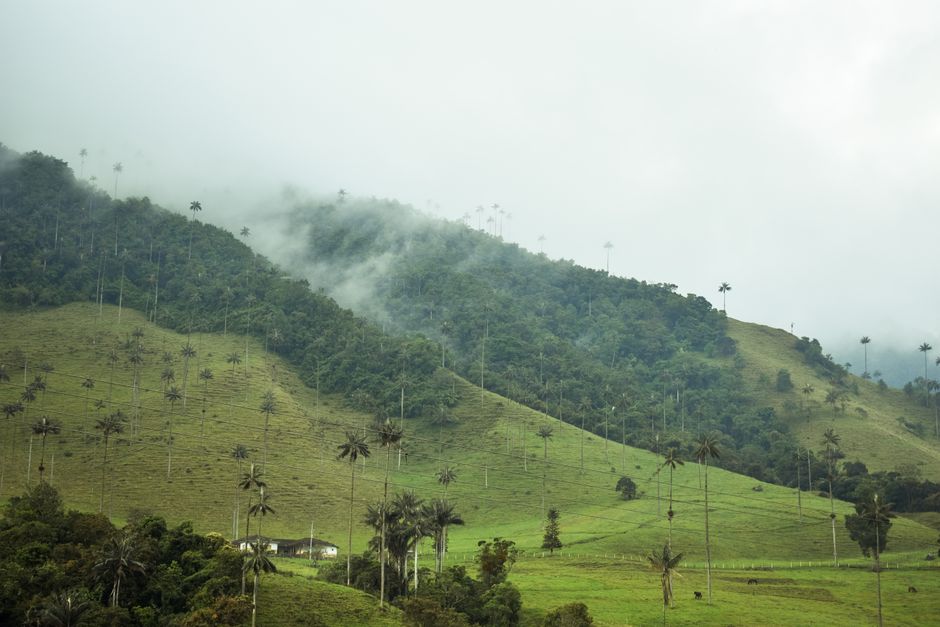
Salento is the best base for vegetarian travel in Colombia’s coffee region because it combines walkable restaurants, easy access to Cocora Valley, and working coffee farms that can handle a meat-free diet with advance notice. I would spend three nights here: one for the town and a farm visit, one for the full Cocora hike, and one for a slower breakfast, coffee tasting, or day trip to Filandia.
How many days do you need in Salento and Cocora Valley?
My three-night route
Arrive in Salento on the first afternoon and stay close to the main plaza if you want the widest choice of vegetarian meals. The town is compact, but the roads to farms and the valley are not. On day two, leave early for Cocora Valley. On day three, visit a coffee finca or reserve and keep enough time for a long lunch.
| Day | Plan | Vegetarian strategy | Typical local costs |
|---|---|---|---|
| 1 | Salento plaza, Calle Real, viewpoint | Eat in town; confirm eggs, cheese, or vegan options | COP 20,000–40,000 per meal |
| 2 | Cocora Valley hike from early morning | Carry fruit, arepas, nuts, and water | COP 30,000–50,000 trail fees plus transport |
| 3 | Coffee farm stay or guided finca visit | Request a meat-free lunch when booking | Tour and meal prices vary by farm |
| 4 | Optional Filandia or a second farm visit | Use town restaurants instead of remote roadside food | COP 20,000–45,000 per meal |
Where to sleep
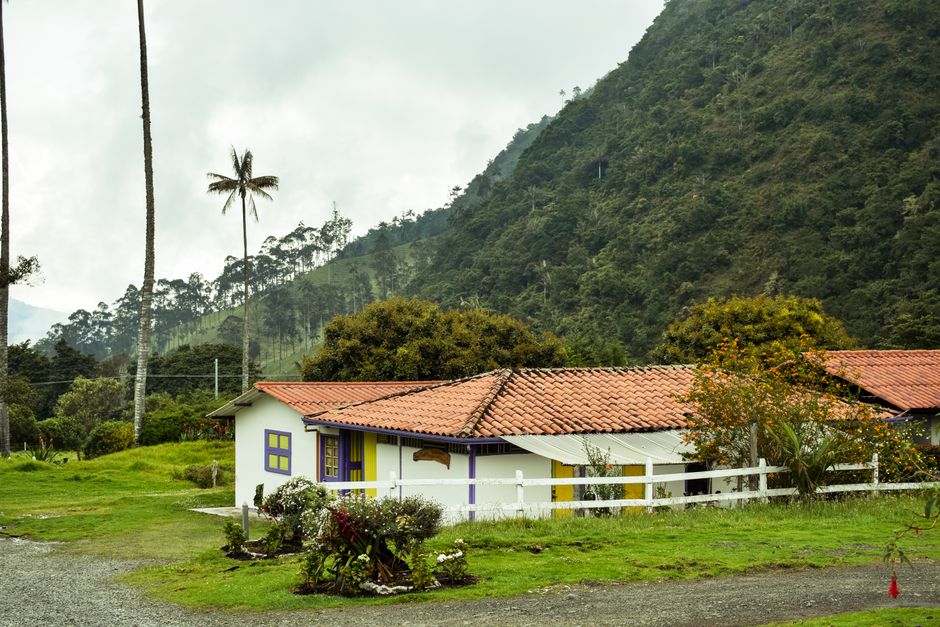
For first-time visitors, a guesthouse in Salento town is the practical winner. You can reach the main square on foot, buy snacks before a hike, and ask several restaurants about ingredients in one evening. A rural stay gives you better views and quieter mornings, but dinner may be fixed-menu and transport can cost more. Finca Hotel El Zorzal, El Rancho Salento, and Finca El Ocaso are recognizable names to compare, but ask each property exactly what its 2026 breakfast and dinner menus include.
The shared Willy jeeps from Salento’s main square are the simplest way to reach the valley. The ride takes roughly 30 minutes, and a one-way fare is commonly around COP 3,600–5,900. Carry small Colombian peso notes. Prices and departure rules can change during weekends, holidays, and busy dry-season dates.
What can vegetarians eat in Salento?
My clear food verdict: stay in town for dependable vegetarian meals, then use farm stays for the setting rather than culinary variety. Salento is not a vegan destination in the way Medellín or Bogotá can be, but vegetarian food is easy to find if you ask direct questions. The local diet includes beans, rice, plantain, arepas, potatoes, avocado, eggs, cheese, soups, and fresh fruit. The problem is hidden meat: stock in soup, bacon mixed into beans, or a “vegetarian” plate cooked on the same grill as sausage.
Reliable meals in town
Brunch Diner publishes useful vegetarian choices, including a veggie omelette listed at COP 35,000, a big salad at COP 35,500, and an avocado toast brunch at COP 28,000. These prices provide a realistic 2026 reference point, although menus can change. The restaurant also lists vegan pancakes and fruit-based dishes, which makes it a strong breakfast choice before a long day.
Order the dish as a complete sentence in Spanish: Soy vegetariano; no como carne, pollo, pescado ni caldo de carne. If you are vegan, add tampoco como huevos, leche, queso ni mantequilla. “Vegetariano” can sometimes mean “no red meat,” so naming chicken and fish prevents an awkward plate arriving at the table.
What farm kitchens can and cannot do
Farm stays often serve breakfast and dinner at set times. That can be wonderful when the meal uses plantains, local fruit, beans, corn, and farm vegetables. It can also mean a fixed plate designed around trout, chicken, or pork. Finca El Ocaso, Finca Cafetera Don Elias, Hacienda Venecia, and El Rancho Salento are useful properties to research because they connect accommodation or tours with coffee production, but their existence does not guarantee a vegetarian menu.
Message before paying. Ask three things: can the kitchen provide a protein-rich main dish, is the soup made with meat stock, and can the farm prepare food without cross-contact if you have an allergy? A plate of rice and salad is not enough after a six-hour hike. For a satisfying meal, ask for beans or lentils, eggs or cheese if you eat them, and an extra arepa or plantain.
How should you prepare for the Cocora Valley hike?
Use this morning plan
- 06:30–07:00: Buy water, fruit, arepas, nuts, or a packed sandwich in Salento. Do not rely on the trailhead for a vegetarian lunch.
- 07:00–07:30: Take a Willy jeep from the central plaza. Arriving early improves your chance of clear views before afternoon cloud and rain.
- 08:00: Start the trail with a rain jacket, extra socks, and cash. The valley has several cash payment points, and the combined hiking cost can be roughly COP 30,000–50,000.
- 11:00–13:00: Eat your packed food at a permitted rest point, away from livestock and muddy sections. Keep wrappers in your bag.
- 15:00–16:00: Aim to finish near the main parking area. Shared transport becomes less predictable late in the afternoon.
Choose the right route and footwear
The short palm-viewing walk works for travellers who mainly want photographs and a gentle introduction. The full loop is more demanding, often taking five to six hours and covering steep, wet ground. I prefer the full loop only when the forecast is stable and the walker has proper grip. Tall rubber boots are often more useful than expensive trail shoes because rain turns parts of the route into deep mud. Trekking poles help on slippery descents and suspension bridges.
The wax palms can reach around 60 metres, but the famous view is weather-dependent. Fog may hide the upper valley by midday. Do not treat a poor view as a failed trip; the cloud forest, hummingbirds, river crossings, and changing vegetation are the real value of the hike.
Mistakes that ruin the day
- Leaving Salento after 10:00 and arriving during the busiest, wettest part of the day.
- Carrying no cash because the trail has no dependable ATM.
- Starting in white sneakers or smooth-soled fashion boots.
- Assuming every restaurant at the entrance has a vegetarian meal available.
- Booking the final jeep back without checking the driver’s departure plan.
Are farm stays worth it for vegetarian travellers?
Do farm stays offer enough vegetarian food?
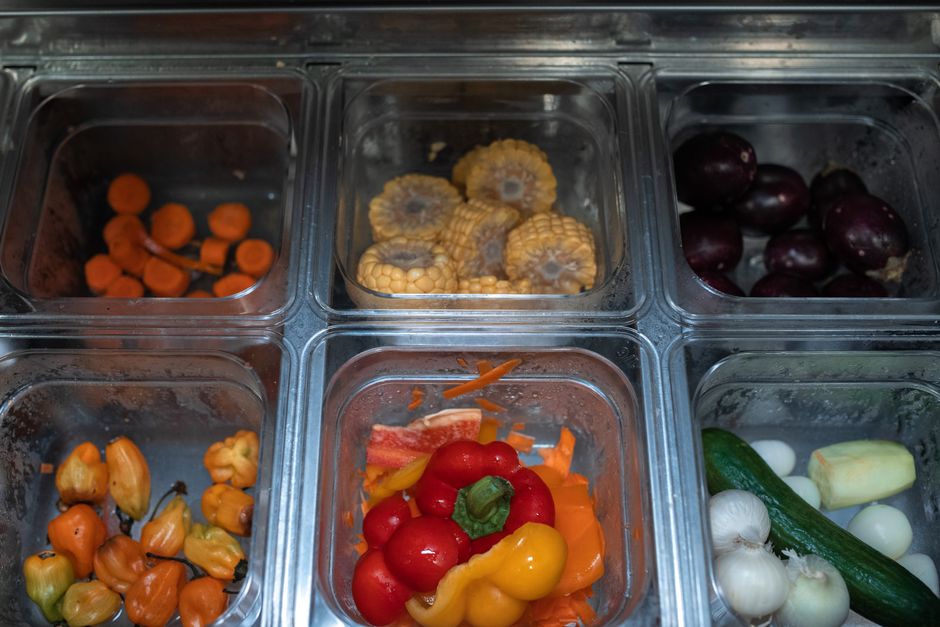
They can, but only when the host knows in advance. A coffee farm is primarily an agricultural workplace and lodging experience, not a vegetarian retreat. Breakfast may be easy because eggs, fruit, bread, cheese, and arepas are common. Dinner needs more planning. Ask for beans, lentils, vegetable rice, grilled vegetables, or a substantial egg dish instead of accepting a plate built around salad.
Should you choose a farm or a town guesthouse?
Choose a farm stay if you value silence, birdwatching, coffee processing, and waking up among the hills. Choose a town guesthouse if food choice, low transport costs, and flexible meal times matter more. My pick for most vegetarian visitors is a split stay: two nights in Salento town and one night on a farm after the Cocora hike. That gives you access to food when you need it and the rural atmosphere without making every meal a negotiation.
Check practical details before booking: road access after dark, whether dinner is included, the last transport from town, drinking water, heating, and the exact distance to the nearest shop. A beautiful finca several kilometres down a rough road is a poor choice if you need medication, snacks, or a replacement rain jacket.
Salento, Cocora Valley, or a coffee farm: which base fits you?
The short answer
Salento is the best all-round base for vegetarian travellers. Cocora Valley is the best single-day nature experience. A coffee farm is the best atmospheric stay, but it requires the most food planning and usually costs more once transport is included.
Compare the trade-offs
| Base | Best for | Main advantage | Main drawback |
|---|---|---|---|
| Salento town | Food choice and first visits | Walkable restaurants, shops, and Willy jeep access | Busy weekends and more tourist traffic |
| Cocora Valley area | Hiking and early trail access | Quieter morning start and dramatic landscapes | Few dependable vegetarian meals and limited cash access |
| Coffee farm stay | Slow travel and coffee culture | Birdsong, farm scenery, and guided production tours | Fixed meal times and advance dietary planning |
| Filandia add-on | Crafts, viewpoints, and a slower town day | Good complement to Salento after the hike | Requires another transfer and at least half a day |
For a first trip in 2026, book Salento as the anchor, reserve the Cocora morning around the weather, and contact any farm directly about vegetarian meals before confirming. That combination gives you the strongest balance of food access, landscape, and genuine coffee-region experiences.