
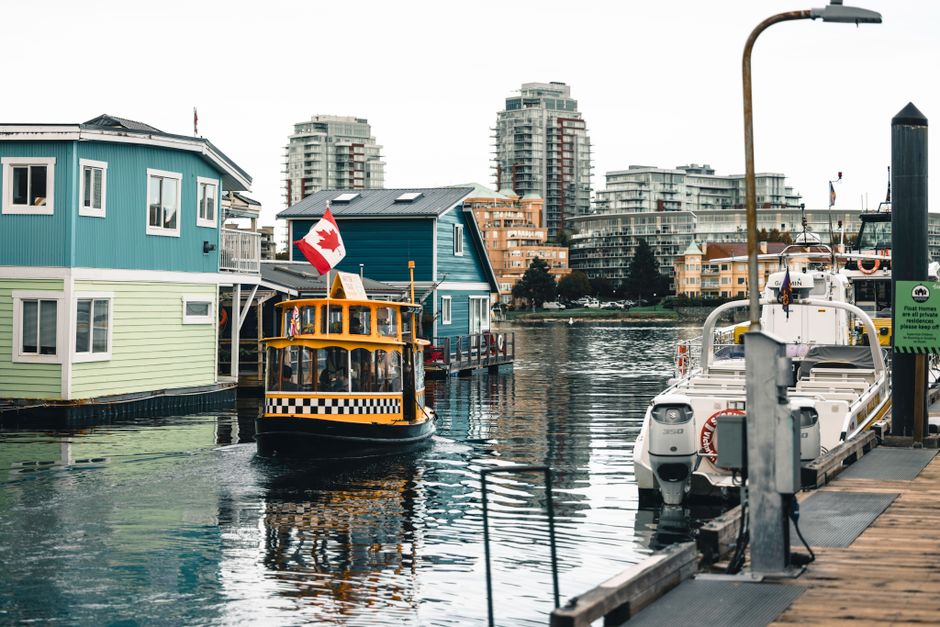
Can you plan a plant-based spring trip to Vancouver and Vancouver Island without spending every day searching for food or losing hours to bad connections? Yes, but the route needs structure. Use Vancouver for walkable restaurants, gardens, and transit-friendly neighbourhoods. Then cross to Victoria and finish on the island’s west coast, where forests and beaches matter more than restaurant density.
How should you divide seven spring days?
Use Vancouver for the first three days
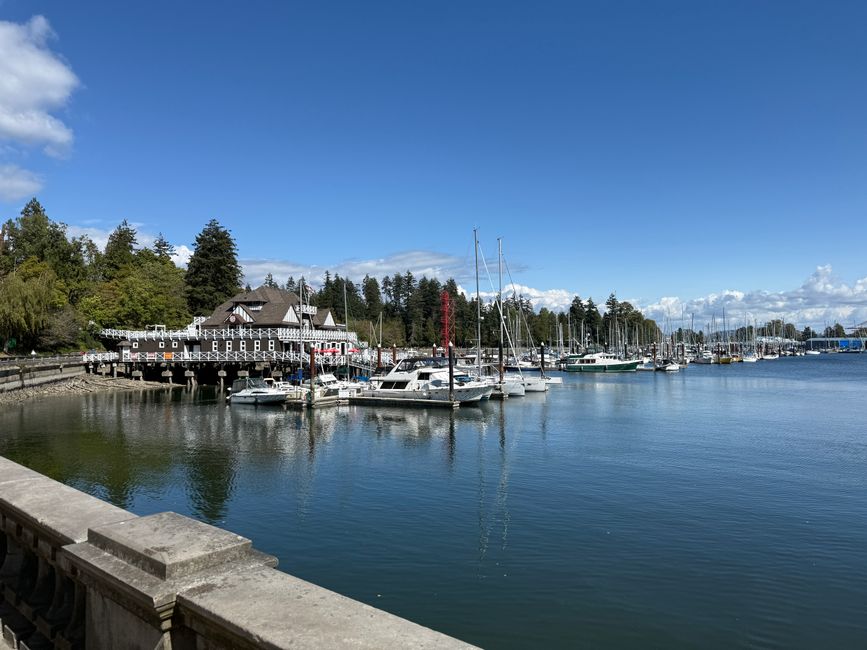
Start with three nights in Vancouver. Stay near Yaletown, Downtown, Mount Pleasant, or Commercial Drive so you can reach restaurants and attractions without a car. Spend day one around Stanley Park, the seawall, and Granville Island. Keep day two for Mount Pleasant, Queen Elizabeth Park, and a longer plant-based dinner. Use day three for North Vancouver or a slower city day before the ferry.
| Day | Base | Main plan | Transport logic |
|---|---|---|---|
| 1 | Vancouver | Stanley Park, seawall, Granville Island | Walk and use local transit |
| 2 | Vancouver | Mount Pleasant, Queen Elizabeth Park, plant-based dinner | Bus or SkyTrain |
| 3 | Vancouver | Commercial Drive or North Vancouver | Transit day; no rental car |
| 4 | Victoria | Ferry, Inner Harbour, Beacon Hill Park | Reserve the ferry and walk downtown |
| 5 | Victoria | Gardens, neighbourhoods, or a Gulf Islands day trip | Walk, bus, or organised excursion |
| 6 | Tofino or Ucluelet | Rainforest, beaches, and coastal viewpoints | Rental car strongly preferred |
| 7 | Tofino or Victoria | Short hike, return journey, or extra weather day | Keep this day flexible |
Save the island’s long drive for one block
Do not place Vancouver, Victoria, and Tofino on separate one-night stops. That creates repeated packing, expensive transfers, and too little time outdoors. For a first visit, Victoria is the easier plant-based base, while Tofino or Ucluelet delivers the strongest coastal scenery. If you only have five days, choose Vancouver and Victoria rather than rushing to the west coast.
Spring conditions can change the balance. Keep one unscheduled half-day for rain, ferry delays, or a trail closure. Check the Parks Canada Pacific Rim bulletin page before driving west.
Where can plant-based travellers eat in Vancouver?
Build meals around neighbourhoods, not isolated restaurants
Vancouver works well for plant-based travel because several neighbourhoods let you combine food with sightseeing. Mount Pleasant is the strongest first choice: it has independent cafés, breweries, bakeries, and vegetarian dining within a short ride of Queen Elizabeth Park. Commercial Drive is better for a casual day with Italian, Ethiopian, Indian, and Middle Eastern options. Downtown gives you the easiest access to hotels, but restaurant choices can feel more spread out.
Make one booking for dinner and keep lunch flexible. That approach handles weather, delayed transit, and appetite changes without turning the trip into a fixed eating schedule. For a special meal, choose Folke, an entirely vegan restaurant with a menu built around local ingredients. For a vegetarian dinner with substantial vegan choices, The Acorn is the clearer pick. MeeT on Main works better for a relaxed meal when a group wants burgers, bowls, or comfort food.
Use a food-confirmation routine on the island
Vancouver Island requires more checking. A restaurant may list vegetarian dishes but use dairy, egg, fish sauce, or chicken stock in sauces. Call ahead for Victoria dinner reservations, and ask three direct questions: Is the kitchen able to prepare a fully plant-based meal? Does the broth contain animal ingredients? Can the kitchen prevent butter or cheese from being added?
Victoria is the safest island base for variety. Look for restaurants with clearly marked vegan dishes, then carry a compact backup meal for long drives. The west coast has excellent produce and creative cafés, but fewer late-night choices. Destination Vancouver’s plant-based dining guide is useful for building a shortlist, but verify opening hours directly before leaving the city.
How do you reach Vancouver Island without wasting a day?
Choose BC Ferries for the full island route
For most travellers, the Tsawwassen–Swartz Bay sailing is the most practical connection. It takes you from the Vancouver area to Victoria’s side of the island and carries both foot passengers and vehicles. The sailing itself is roughly 90 minutes, but the full transfer takes longer once you add the trip to Tsawwassen, terminal check-in, boarding, and the journey from Swartz Bay into Victoria.
As of the 2026 BC Ferries fare schedule, an adult foot passenger on this route is listed at C$21 at the terminal or C$15 on the Saver fare. A standard vehicle up to 20 feet is listed at C$89, excluding the driver and passengers. A fuel surcharge can apply, and Saver space is limited. Check the BC Ferries fare index before payment. My clear pick for a couple staying in Victoria is to travel as foot passengers. My clear pick for Tofino or Ucluelet is to bring a car, because the west-coast drive is long and local transit is limited.
Compare the car, bus, and seaplane tradeoff
A rental car adds cost but removes the biggest island constraint: distance. Victoria to Tofino is about 200 kilometres and commonly takes more than four hours, depending on road conditions and stops. A car lets you carry food, reach beaches before crowds, and change plans when spring rain closes a trail. It also creates parking charges and a larger carbon footprint, so keep the car only for the days you need it.
Public transit is strongest in Vancouver and central Victoria. A TransLink Compass Card has a C$6 refundable deposit, and 2026 adult fares list C$3.50 for a one-zone cash fare or C$2.85 with stored value. A trip beginning at Vancouver International Airport can add a C$6.50 airport fee. The TransLink fare page explains the current zones and payment rules. Harbour Air can save time between Vancouver and Victoria, but its price and baggage limits can make the ferry more practical for travellers carrying food or outdoor gear.
What should you pack for a wet spring?
Layer for movement, not a single forecast
Pack a waterproof shell, a warm mid-layer, two quick-drying tops, water-resistant walking shoes, and spare socks. Spring temperatures can feel mild in Vancouver and sharply colder on an exposed beach. A compact umbrella helps in the city, but a hooded shell is more useful on forest trails and ferry decks. Choose trousers that dry overnight and avoid cotton for the main hiking layer.
Protect food and electronics
Carry a reusable bottle, leakproof containers, and a small insulated bag for meals during the island drive. Keep a power bank in a dry pouch. Put passports, medication, camera equipment, and charging cables in sealed bags inside your daypack. Do not leave food visible in a parked vehicle near beaches or trailheads. The goal is simple: stay warm, keep your meals intact, and make a wet day workable instead of abandoning it.
Which mistakes ruin a plant-based island trip?
The common planning errors
- Booking the ferry after the hotel. A sold-out sailing can force an expensive change to the first island night. Reserve the crossing soon after fixing the route.
- Assuming every vegetarian menu is vegan. Ask about butter, cream, egg, fish sauce, and stock. Menu labels are not a guarantee.
- Driving to Tofino after a late ferry. The route is tiring in daylight and less comfortable after a delayed crossing. Sleep in Victoria or Nanaimo first if your arrival is late.
- Leaving no weather buffer. A spring trip built around one beach hike can fail after one storm. Plan a city, museum, garden, or café alternative for each outdoor block.
The smarter correction
Use a two-layer itinerary: fixed transport and flexible activities. Fix the ferry, accommodation, and any essential dinner reservation. Keep hikes, beaches, and neighbourhood walks movable. Save offline maps, write down two backup meals in each town, and check trail notices on the morning of the visit. This protects the trip from the mistakes that cause the most frustration: closed access, missed ferries, and arriving hungry in a small coastal community.
Do not add the west coast simply because it appears on a map. If you have less than seven days, Vancouver and Victoria provide a better trip than three rushed bases.