
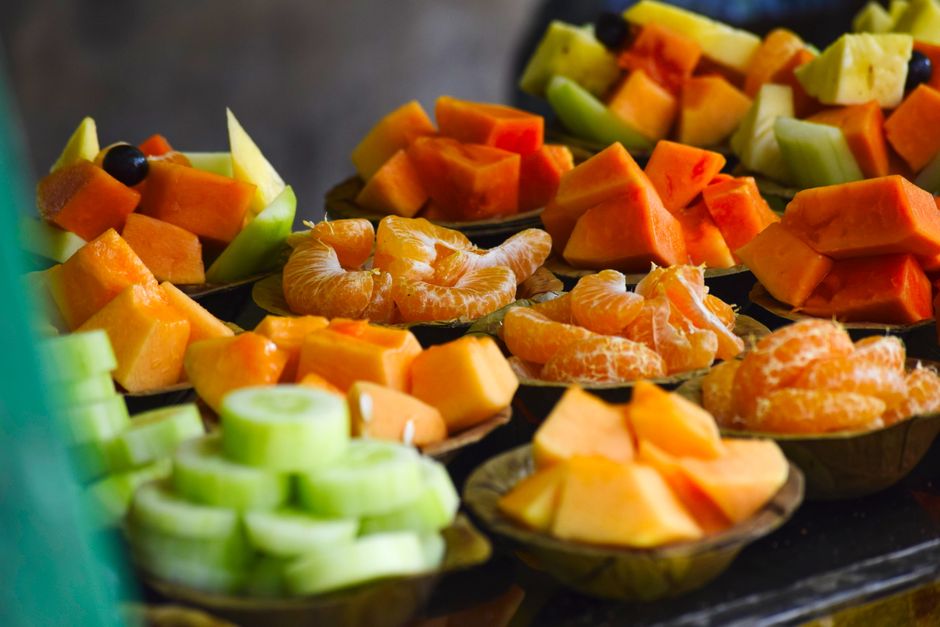
The best vegetarian route through Belize starts on Caye Caulker and finishes in San Ignacio. The island gives you easy access to fruit, rice, beans, vegetable tacos and reef excursions. San Ignacio then adds markets, jungle trails, caves and Maya ruins without forcing you to change hotels every night. Allow six or seven nights: three on Caye Caulker, three in San Ignacio, and one flexible night for travel delays or a final stop near Belize City.
What is the best vegetarian route through Belize?
The route in one table
| Days | Base | Plan | Vegetarian advantage |
|---|---|---|---|
| 1-3 | Caye Caulker | Arrive by water taxi, walk or cycle the island, snorkel, and eat near the main village. | Small distances make it easy to check several menus before choosing dinner. |
| 4 | Travel day | Take a morning boat to Belize City, then continue by road to San Ignacio. | Pack breakfast and lunch because the transfer leaves little time for restaurant hunting. |
| 5 | San Ignacio | Visit the market, Cahal Pech and the riverside area. | Local produce and beans are easier to find than at a remote jungle lodge. |
| 6 | San Ignacio | Visit Xunantunich with an early start. | A packed meal prevents a long ruin day from turning into a food gamble. |
| 7 | Flexible | Choose Caracol, ATM Cave, a shorter walk, or return toward the coast. | You can match the day to weather, energy and confirmed food options. |
Why this order wins
Caye Caulker works best first because the island is compact and relaxed. The Belize City water taxi crossing takes about 45 minutes, and the main village has enough restaurants and grocery stops to build a dependable food routine. San Ignacio works better as the second base because most inland attractions involve road travel. Staying three nights there means you can visit one major site, recover, and still have a spare morning.
Do not treat the route as a quick beach-to-ruins hop. The water taxi terminal, road transfer, hotel check-in and meal breaks can consume most of a day. The clear winner for a first vegetarian trip is a slow two-base itinerary, not a four-city circuit.
How can vegetarians eat well on Caye Caulker?
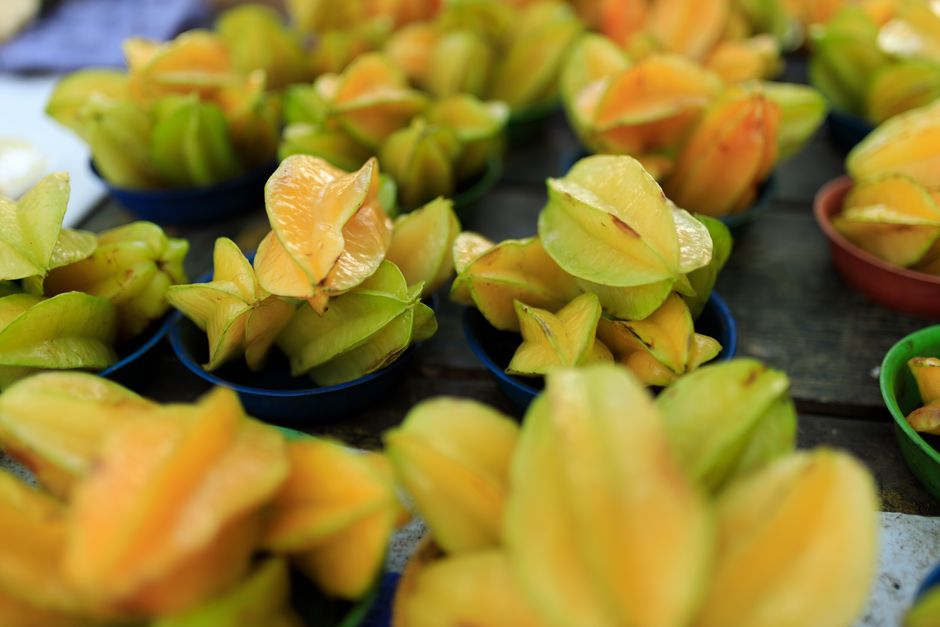
Order by ingredients, not by the word vegetarian
Caye Caulker has the easiest food scene on this route, but menu labels still need checking. Ask three direct questions: “Is the dish cooked with fish sauce?”, “Do the beans contain pork or chicken stock?”, and “Can you replace seafood with vegetables or beans?” Rice and beans, plantains, tortillas, salads, avocado, grilled vegetables and fresh fruit often form the safest starting points. A restaurant may call a dish vegetable-based while cooking it on the same grill as fish, so explain your preference before ordering.
- For breakfast, choose fruit, eggs, fry jacks without meat, toast, oatmeal or a bean-and-vegetable plate.
- For lunch, look for bean burritos, vegetable tacos, pupusas, rice bowls or a market plate with plantains.
- For dinner, ask for a meat-free version of rice and beans, coconut curry, pasta, pizza or vegetable stir-fry.
- Carry one shelf-stable backup, such as peanuts, crackers or a granola bar, for boat trips and snorkeling days.
How to avoid the island food trap
The common mistake involves waiting until 9 p.m. to find dinner. Some kitchens close early, supplies can arrive on different schedules, and a busy restaurant may have no time to remake a dish safely. Eat your largest meal at lunch, identify two dinner options during the afternoon, and buy fruit or bread before an excursion. This strategy also helps travellers with vegan diets, allergies or strict avoidance of shared cooking surfaces.
Caye Caulker is not the place to demand a perfect copy of a favourite restaurant meal. It rewards flexible orders built from local staples. Ask clearly, accept a simpler plate, and judge the island by freshness and ease rather than by the size of its vegetarian menu.
Which Maya ruins are best from San Ignacio?
Xunantunich is the strongest first choice
Xunantunich gives vegetarian travellers the best balance of history, travel time and physical effort. The site sits near San José Succotz, and visitors cross the Mopan River on a hand-cranked ferry before climbing toward the plazas. The reserve lists daily hours of 8 a.m. to 5 p.m., with final arrival windows before closing. The non-resident standard-hours rate listed for 2026 was BZ$25, so confirm the current 2026 fee before leaving San Ignacio. Bring water, sturdy shoes and a packed lunch. The site has open plazas, exposed stone and limited shade, so a late-morning arrival can feel harsh.
Spend at least two hours there. El Castillo dominates the complex, but the surrounding plazas explain how the city worked as a ceremonial and political centre. A guide can add context, yet the site remains worthwhile for independent travellers who read the signs and take their time.
Use Cahal Pech and Caracol for different reasons
Cahal Pech sits close to San Ignacio and makes the best short archaeology visit. It works on arrival day or after a long transfer because you can explore without committing to a full-day drive. The compact layout also gives you time to visit the market afterward and arrange food for the next excursion.
Caracol is the better choice for travellers who want scale and jungle atmosphere. It sits deep in the Chiquibul area, and the drive can take much of the day. Road conditions, weather, security procedures and guide arrangements matter more than a simple map distance. Do not book Caracol as a casual add-on after Xunantunich. Choose it when the large Maya city matters more to you than a relaxed schedule.
ATM Cave belongs in the same planning conversation, but it is not a substitute for a ruin visit. It involves water, darkness, enclosed spaces and a demanding guided route. Xunantunich is my clear first pick; add Cahal Pech for convenience, then choose Caracol or ATM Cave only if the physical demands match your group.
What should you pack for vegetarian travel in Belize?
Do I need special food equipment?
You do not need a full kitchen kit. A leakproof container, reusable cutlery and a small dry bag cover most food problems. A filtered bottle can help when you are unsure about a lodging supply. For a low-maintenance trip, the LifeStraw is the better pick because it is easier to use between ferry terminals and ruins.
What protects food and electronics?
A small dry bag keeps snacks, a phone and spare clothes safe during boat transfers. Pack sturdy walking shoes for Xunantunich, sandals for Caye Caulker, insect repellent, sun protection and a light rain layer. A portable battery also earns its space because rural drives and long excursion days can outlast hotel charging time.
Prices above are typical US retail prices, not required purchases or endorsements. The important rule is to pack for gaps in the route: a late boat, an early ruin departure, a closed kitchen or a long road transfer. The equipment should support the itinerary, not replace basic planning.
Which mistakes ruin a vegetarian Belize itinerary?
My strongest recommendation is to protect your meal windows as carefully as your transport bookings. Belize becomes much easier when you treat food as part of the route instead of a problem to solve after every activity.
Five failures to prevent
- Booking a remote lodge without asking about meals. Confirm the kitchen can provide vegetarian or vegan food before paying a deposit. Ask what replaces fish, chicken and eggs, and ask if staff need advance notice.
- Assuming rice and beans always count as vegetarian. Ask about lard, meat stock and shared cooking pans. A plain-looking side dish can contain an ingredient you avoid.
- Connecting a boat and ruin tour too tightly. Delays, luggage handling and road traffic can turn a comfortable transfer into a missed departure. Leave a buffer, especially when moving from Caye Caulker to San Ignacio.
- Choosing Caracol because it looks close on a map. The distance hides rough roads, slow sections and long driving time. Pick Xunantunich for a lower-stress first ruin day.
- Expecting every village stop to have a full vegetarian menu. Carry one compact snack, buy fruit when you see it, and eat a proper meal before remote excursions.
When should you skip this route?
Skip the island-to-inland combination if you have fewer than four nights, severe motion sickness, limited walking ability without support, or a strict diet that requires a dedicated kitchen. Stay in one base instead. Caye Caulker suits travellers who value water, walking and simple meals. San Ignacio suits travellers who value ruins, caves and guided inland days. Trying to force both into a short trip creates more transit than discovery.
For the traveller who begins with a boat, a small appetite and a wish to see Maya cities without eating seafood, the answer is now straightforward: settle into Caye Caulker first, move inland with food packed, and use San Ignacio as the base for Xunantunich and Cahal Pech. That route leaves room for real meals, slower mornings and a final view of Belize that feels planned rather than patched together.