
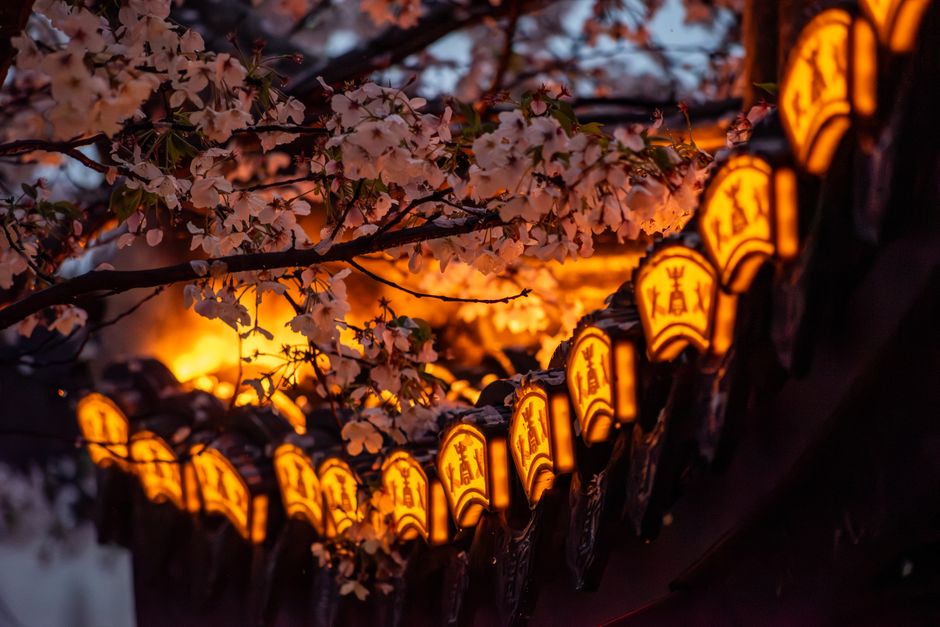
How do you enjoy cherry blossom season in Japan as a vegetarian without finding bonito flakes in your rice, pork stock in your noodles, or fish hidden inside a harmless-looking bento? The answer is simple: plan the picnic around ingredients you can identify, then use a restaurant or specialty shop as your safety net.
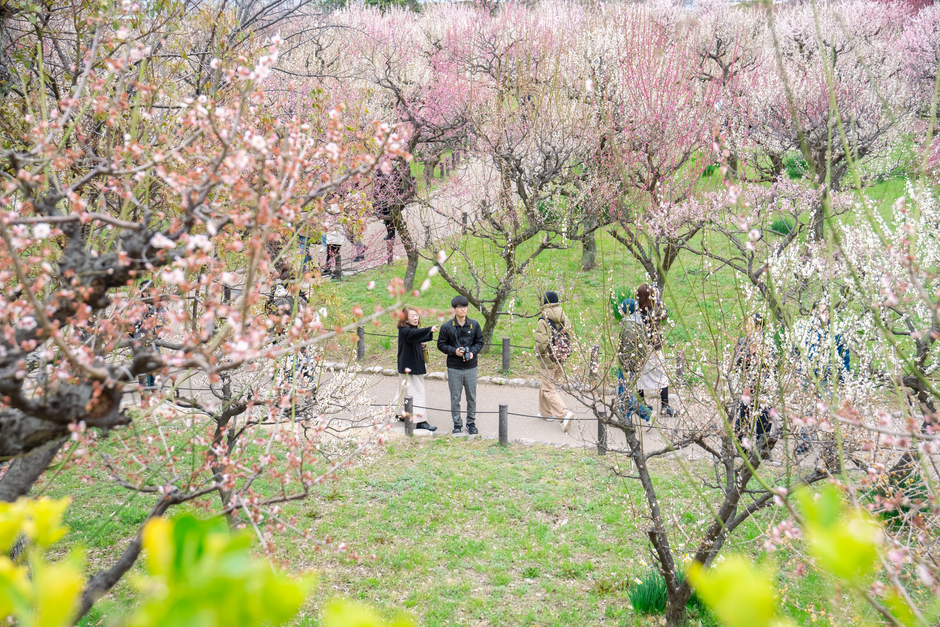
Hanami means flower viewing, but the experience usually includes sitting on a picnic sheet, sharing small foods, drinking something seasonal, and staying under the trees for several hours. The blossoms move from south to north, so timing matters as much as the food. This guide covers the practical details, from choosing a park to reading Japanese labels and building a filling meat-free picnic.
When cherry blossoms peak and where to picnic
The best vegetarian hanami plan starts with the blossom forecast, not with a restaurant booking. In Tokyo, the 2026 forecast placed first bloom around March 21, with full bloom usually arriving about one week to ten days later. Kyoto and Osaka often follow a similar late-March to early-April pattern, while Tohoku usually reaches its peak later in April and Hokkaido often reaches peak bloom in early May. Weather can shift the dates, so use the official forecast again shortly before you travel.
Pick the right week for your route
For Tokyo, aim for the final week of March or the first week of April. For Kyoto, the first week of April gives you a strong chance of seeing open flowers, although cold weather can push the peak later. If your schedule cannot move, choose a garden with several cherry varieties. Shinjuku Gyoen, for example, has early, mid-season, and late varieties, so its viewing period stretches beyond the short peak of Somei Yoshino trees. The official Tokyo 2026 sakura guide is a useful final check.
Choose a park that suits a picnic
Ueno Park and Yoyogi Park offer the loud, social version of hanami, with crowds and food stalls. Inokashira Park gives you water views and about 500 cherry trees, but weekends fill quickly. Shinjuku Gyoen works better for travellers who want a calmer lawn, although alcohol and some noisy activities are not allowed there. Arrive before 9 a.m. on a Saturday, bring a small sheet, and check park rules before unpacking food. The clear winner for a first vegetarian hanami is a weekday picnic in a large park with toilets, convenience stores, and a station within walking distance.
What vegetarian means in Japanese food
Vegetarian does not always mean fish-free in Japan. A dish can contain no visible meat and still use bonito dashi, seafood stock, fish sauce, or tiny dried fish. Eggs and dairy often remain acceptable for lacto-ovo vegetarians, but each traveller should define their own limit before ordering.
Learn the ingredients that cause trouble
Watch for niku for meat, buta for pork, gyuniku for beef, tori for chicken, and sakana for fish. Dashi means stock, not necessarily vegetable stock. Katsuobushi means dried bonito flakes, and ebi means shrimp. Gelatin may appear as ゼラチン, while lard may appear as ラード. The safest phrase for a strict vegetarian is: “Watashi wa bejitarian desu. Niku, sakana, dashi wa taberaremasen.” It means, “I am vegetarian. I cannot eat meat, fish, or dashi.”
Use the label, then ask one direct question
A green vegetarian or vegan mark helps, but packaging still deserves a quick check because recipes change. Ask, “Dashi wa haitteimasu ka?” which means, “Does it contain dashi?” Also ask about egg and dairy if you eat vegan. Do not rely on the word yasai, meaning vegetable. Vegetable curry, vegetable ramen, and vegetable sushi can still use animal stock. The best rule is firm: if the staff cannot confirm the stock, choose another dish.
How to build a vegetarian hanami picnic
Do not wait until you reach the park to solve every food problem. Buy the core meal near your hotel or a major station, then add seasonal snacks near the park. This gives you time to compare labels and avoids the small selection left at a busy convenience store during peak hanami hours.
Follow this five-step shopping plan
- Buy a filling base first. Choose plain rice, a confirmed vegetable onigiri, inari sushi after checking the seasoning, or a vegan bento from a specialist shop. Rice alone will not carry a four-hour picnic, so add tofu, beans, nuts, or a soy snack.
- Add two easy vegetables. Edamame, cherry tomatoes, cucumber, corn, and steamed sweet potato travel well. Avoid salads with dressing unless you can confirm the ingredients.
- Pack protein and calories. Otsuka SOYJOY bars cost about ¥125 before tax at the listed manufacturer price and contain whole soybean flour. The product includes egg and dairy in some flavours, so it suits many vegetarians but not vegans. Check the exact flavour before buying.
- Choose a drink without hidden ingredients. Green tea, bottled water, coffee, and unsweetened soy milk are easy choices. Sakura-flavoured drinks can contain dairy or gelatin, so read the label rather than trusting the pink packaging.
- Carry practical extras. Bring wet wipes, a small rubbish bag, chopsticks, napkins, and a plastic bag for leftovers. Many parks expect visitors to take rubbish home or use specific collection points.
Build the picnic around texture
A good hanami spread needs more than beige rice products. Pair soft inari or rice with crisp cucumber, salty edamame, sweet fruit, and a small dessert. If you buy ahead from a vegan restaurant, keep hot food separate from cold snacks and eat it early. For a group of two, budget roughly ¥2,000 to ¥3,500 for a filling picnic using convenience-store food and one specialty item. That cost gives you more control than buying every dish from temporary festival stalls.
Which meat-free foods are safest to buy?
The table below gives a practical starting point for a 2026 Tokyo picnic. Prices change by branch, region, and tax display, so treat them as planning figures. The safest choices are products with a clear ingredient list or food from a fully vegan kitchen.
Picnic options compared
| Food or product | Typical price | Vegetarian risk | Best use |
|---|---|---|---|
| Otsuka SOYJOY Matcha & Yuzu | ¥125 before tax | Low for lacto-ovo vegetarians; check egg and dairy | Compact protein snack |
| Plain rice or confirmed vegetable onigiri | ¥130–¥220 | Medium; seasoning may contain fish stock | Cheap picnic base |
| Edamame pack | ¥200–¥350 | Low; check added seasoning | Salty side dish |
| AIN SOPH. Vegan Tomato Soup | ¥650 | Low; fully plant-based product | Hotel-room preparation or flask |
| AIN SOPH. Vegan Corn Soup | ¥870 | Low; fully plant-based product | Hearty side for a cold day |
| T’s Tantan vegan ramen | About ¥1,400–¥1,600 | Low; confirm branch menu | Restaurant meal before or after hanami |
My pick for a simple picnic is SOYJOY, edamame, fruit, and a clearly checked rice item. My pick for a completely animal-free meal is an AIN SOPH. product or a meal at T’s Tantan, because both brands build their menus around plant-based food instead of asking you to guess from a standard menu. The official SOYJOY information confirms the whole-soybean base, while the product label still decides if a flavour fits your diet.
Where to eat when the picnic plan fails
For the lowest food-safety risk, choose a fully vegan restaurant before the hanami day and make the park the second stop. That plan costs more than a convenience-store picnic, but it protects the part of the trip that matters most: you do not spend your blossom-viewing afternoon hungry, translating labels, or searching three crowded shops for one safe meal.
Use T’s Tantan for a warm, filling meal
T’s Tantan specializes in vegan ramen and has locations connected to major travel routes, including Tokyo Station-area options and Narita Airport locations at different times. A bowl usually sits around the ¥1,400–¥1,600 planning range, depending on the branch and menu. It works well before visiting a park because sesame, noodles, vegetables, and chili provide more staying power than a snack-only lunch. Check the branch page before travelling because locations and menus change. The official T’s Tantan site is the right place to confirm the current shop.
Use AIN SOPH. for a fully plant-based fallback
AIN SOPH. states that its restaurants use no meat, fish, dairy, eggs, honey, or other animal-derived products. Its online grocery prices give useful planning examples: Vegan Tomato Soup lists at ¥650, Vegan Corn Soup at ¥870, and a six-pack of Vegan Pudding Classic at ¥5,200. The pudding set is not a sensible solo picnic purchase, but it shows how a specialist vegan bakery differs from a random “vegetable dessert.” AIN SOPH. wins for travellers who need vegan food, clear ingredient boundaries, and a reliable meal near Tokyo or Kyoto. The brand also warns that kitchens are not allergen-free, so severe allergies still require direct contact.