
Have you planned a cold January morning around a Kyoto temple, only to discover that the vegetarian lunch you wanted is closed for New Year holidays? That is the main trap with shojin ryori. The food is seasonal, reservations can be strict, and vegetarian does not always mean vegan.
Kyoto is still an excellent winter destination for temple cuisine. January brings daikon, turnip, burdock, tofu, yuba, root vegetables, rice, and warming broths to the table. The city also feels quieter after the first days of the year, when many visitors leave and temple gardens regain their calm.
This guide explains what to eat, where to book, how to avoid hidden fish stock, and how to build a reliable January meal plan.
What makes Kyoto shojin ryori different in January?
The meal solves a practical winter problem
Shojin ryori began as Buddhist temple food. Its basic job was simple: feed monks without meat or fish while using what the season and local farms provided. That is why winter meals often feel warming and substantial even without animal protein. Tofu, sesame, beans, mushrooms, wheat gluten, rice, and root vegetables provide texture and energy. Simmering, steaming, frying, and pickling create contrast.
January is not the month for a table covered with bright summer vegetables. Expect pale daikon, yuzu fragrance, lotus root, burdock, turnip, spinach, carrots, konnyaku, and carefully cut tofu. A strong meal makes these ingredients taste distinct rather than hiding them under heavy sauce.
What you should expect on the tray
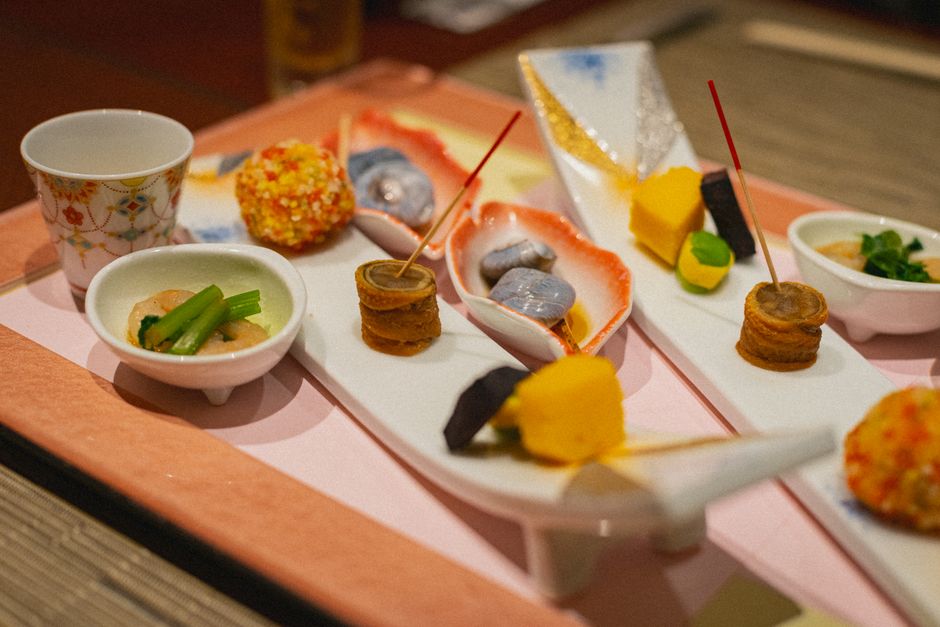
A formal meal may include rice, soup, pickles, a small simmered dish, sesame tofu, vegetable tempura, a tofu or wheat-gluten preparation, and a seasonal sweet. Portions look delicate, but several small dishes add up. Lunch can last 60 to 90 minutes, especially in a temple setting.
The best January shojin ryori is not a meat substitute menu. It is a quiet study of texture, temperature, and restraint. Choose it for that reason, not because you expect a large plate of vegetables.
Which winter ingredients should you look for?
Root vegetables carry the meal
Winter vegetables are the clearest sign that the kitchen is cooking for January rather than serving a fixed tourist menu. Daikon may appear simmered, grated, or cut into decorative shapes. Burdock brings a firm bite. Lotus root adds a clean crunch. Turnip becomes soft and sweet after steaming. Kabocha, carrot, and taro provide colour and body to a tray that might otherwise look muted.
Ask about yuzu, too. Its peel and juice add sharp citrus fragrance to miso, pickles, soup, and steamed vegetables. Yuzu does not make a dish spicy, but it keeps a long meal from tasting flat.
Learn the difference between fish-free and vegan
Traditional shojin ryori avoids meat and fish, but modern restaurant menus vary. Some kitchens use dashi made from kombu and dried shiitake. Others use bonito stock in dishes described as vegetarian. Eggs, dairy, honey, and even non-vegan sweets may also appear.
If you eat vegan, say so before booking. Use the words “strict vegan, no fish stock, no bonito, no eggs, and no dairy”. Do not wait until you sit down. The kitchen may need to change soup, sauces, tempura batter, and dessert together.
The clearest winter experience comes from a menu that names its stock and seasonal vegetables. A vague promise of “healthy Japanese food” is not enough.
Where should you eat temple cuisine in Kyoto?
There is no single best venue for every traveller. Temple dining gives you atmosphere and history. A long-running specialist restaurant usually gives you clearer menu choices and more dependable seating. These are the strongest options to compare for a January trip.
| Place | Setting | Published price or guide | Best for |
|---|---|---|---|
| Izusen Daitokuji Daiji-in | Daitokuji temple grounds | ¥4,500 to ¥6,500 | First-time visitors wanting a classic temple setting |
| Chion-in | Temple hall dining | ¥2,500 to ¥5,000 | Travellers who want several set-menu levels |
| Chishaku-in Saryo Kikko | Temple garden and museum complex | ¥5,500 meal plan | A polished lunch paired with sightseeing |
| Hanagokoro at Myoshinji | Zen temple area | ¥2,580 | Vegetarians who accept bonito dashi |
The clearest first choice
For a first visit, choose Izusen Daitokuji Daiji-in. It has a strong link to Daitokuji, prices that cover several budgets, and lunch service from 11:00 to 16:00. The restaurant asks groups of six or more to reserve ahead.
The best garden pairing
Choose Chishaku-in Saryo Kikko if the meal should sit inside a larger cultural day. Its ¥5,500 plan includes shojin cuisine, garden and museum admission, and a souvenir. It requires at least two guests and booking two days ahead. The price is higher, but the meal and sightseeing work as one plan.
How do you book shojin ryori in January?
The January booking trap
Book the meal before building the temple route. Many visitors plan a day around Daitokuji, Nanzenji, or Chion-in and assume lunch will be available. January makes that risky. New Year closures, temple ceremonies, staff holidays, and limited lunch sittings can remove your preferred date.
Chion-in is a useful example. Its official page says reservations are required at least five days ahead, bookings open three months in advance, and its shojin lunch is unavailable from December 26 through January 11. That means a January 5 visit needs a different restaurant. Check the Chion-in reservation details before relying on it.
A practical booking sequence
- Pick the January date and number of diners.
- Ask for the exact menu name, price, start time, and closure dates.
- State vegetarian, vegan, allergy, and fish-stock requirements in writing.
- Confirm the cancellation rule and payment method.
- Plan the temple visit around the meal, allowing 20 to 30 minutes for arrival.
For a formal lunch, reserve the first available seating rather than the last one. Kitchens may prepare several courses in a fixed order, and arriving late can shorten the experience or cancel the reservation.
What does a good January temple-food day look like?
My recommended route is Daitokuji in the morning, Izusen for lunch, and a short afternoon walk nearby. It keeps the day compact and avoids a cold cross-city transfer between temples.
Morning: arrive before the crowds
Reach the Daitokuji area around 9:30 or 10:00. January light is soft, but mornings are cold. Wear shoes that are easy to remove if your temple route includes indoor spaces. Keep the garden visits focused. You do not need to enter every subtemple to understand the complex.
Lunch: protect the reservation
Arrive at Izusen before the stated start time. A formal meal is not a quick refueling stop, so leave at least 90 minutes. Try sesame tofu, yuba, simmered root vegetables, pickles, and seasonal tempura slowly. The point is to notice how the same ingredient changes across dishes.
Afternoon: warm up without adding another major attraction
After lunch, choose one nearby temple or a quiet café rather than racing to eastern Kyoto. January sunsets arrive early, and icy streets can make a packed itinerary tiring. If you want a second food stop, choose tea or a small wagashi instead of another full meal.
This route works best for travellers who want one memorable vegetarian meal. It also leaves room for weather delays, which matter more in January than a tightly timed sightseeing checklist.
What should vegetarians and vegans ask before ordering?
“Is shojin ryori always vegan?”
No. Traditional principles point toward plant-based cooking, but restaurants adapt recipes. Confirm the stock, batter, sauces, dessert, and garnishes. “Vegetarian” may mean no meat but still include bonito dashi, eggs, or dairy.
“Can I visit without a reservation?”
Sometimes, but do not make that your January plan. Specialist restaurants may accept walk-ins during quiet periods, while temple meals often need advance notice. Chion-in asks guests to reserve five days ahead. Chishaku-in Saryo Kikko asks for reservations at least two days before the meal plan.
“What if I dislike tofu?”
Choose a broader Kyoto lunch rather than a formal shojin course. Tofu, yuba, sesame, beans, and wheat gluten appear often because they provide protein and texture. Do not book a temple meal expecting a Western vegetable plate. If you want more familiar variety, a vegetarian restaurant in central Kyoto may suit you better.
Also tell the server about allergies, not only preferences. Sesame, soy, wheat, and mushrooms are common in this style of cooking. A translation app helps, but a short written message in Japanese gives the kitchen a clearer starting point.