
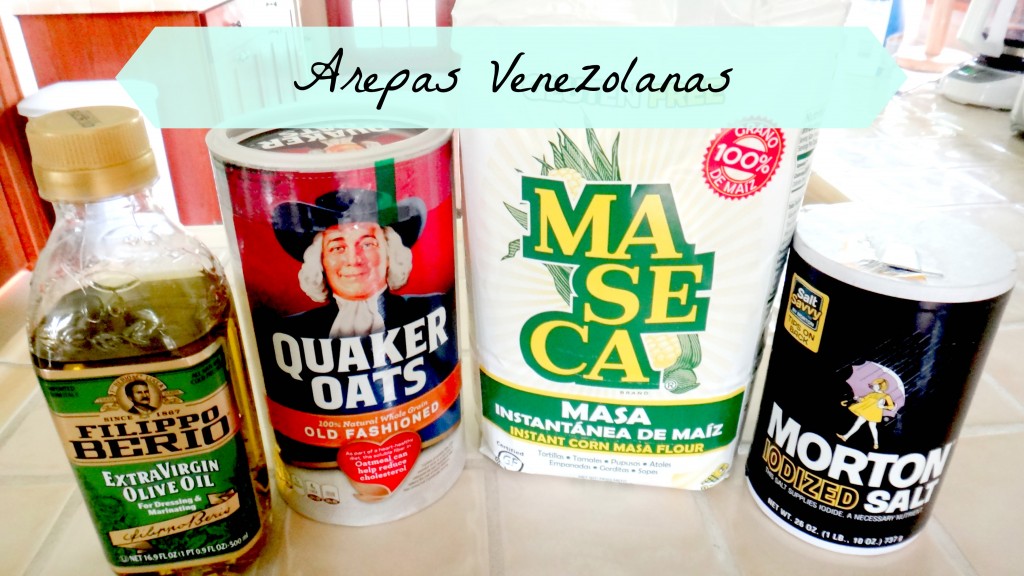
Listen, I’ve been making Venezuelan arepas for over twenty years. I started with my abuela in her tiny kitchen, and I’ve probably shaped tens of thousands since then. After all that time, I’ve seen every mistake in the book. If you want truly authentic, perfectly crispy on the outside, tender on the inside arepas, you need to ignore a lot of the internet advice out there. My biggest piece of advice? Don’t skimp on the flour, and don’t rush the process. That’s where most people mess up.
Choosing the Right Harina: It’s Not Just Any Corn Flour
This is where almost everyone new to making arepas goes wrong, and it’s non-negotiable. You can’t just grab any bag of corn flour and expect the same results. Venezuelan arepas demand a specific type of pre-cooked white corn meal, and there’s really only one brand I trust. Others might work in a pinch, but they won’t give you the proper texture and flavor. I’ve tried. Years ago, I experimented with whatever I could find, thinking "corn flour is corn flour," but that’s a rookie error.
Why Harina P.A.N. is Non-Negotiable
I will say this clearly: if it’s not Harina P.A.N., you’re already behind. This isn’t a sponsored message; it’s simply the truth. P.A.N. is a pre-cooked white corn meal that has been finely milled and then cooked and dried before packaging. This pre-cooking process is what makes the flour absorb water so readily and form a smooth, pliable dough that holds its shape and cooks up perfectly. The texture it creates is unique. It swells quickly, developing that characteristic chewiness inside while allowing for a crisp exterior. Trying to use other brands, especially those not specifically labeled "pre-cooked corn meal for arepas," results in a dense, crumbly, or overly gritty arepa.
The Dangers of Using Masa Harina (Mexican Corn Flour)
Please, for the love of all that is holy, do not use masa harina. This is a common, terrible mistake. Masa harina is typically used for Mexican tortillas and tamales. It’s nixtamalized corn flour, meaning the corn has been cooked and steeped in an alkaline solution (usually limewater) before grinding. This process gives it a distinct flavor and changes its starch structure significantly. It behaves entirely differently when mixed with water. If you try to make arepas with masa harina, you’ll end up with something that might resemble a tortilla, or a dense, unpleasant puck. It won’t puff up, it won’t be tender, and it certainly won’t taste like an arepa. I made this mistake once, years ago, when I couldn’t find P.A.N. in a new city. It was a disaster, a wasted meal, and a lesson I never forgot.
Understanding Different Corn Types and Their Impact
Even within "corn flour," there are vast differences. Yellow cornmeal, for example, is often coarser and not pre-cooked. It’s great for cornbread or polenta, but a disaster for arepas. White cornmeal, like P.A.N., yields a lighter, softer texture and a more neutral flavor that lets the fillings shine. The specific variety of corn, how it’s processed, and its grind size all contribute to the final product. Stick to the tried and true. Don’t try to reinvent the wheel here. Get the right flour, and half your battle is already won.
Dough Hydration: Why My 1:1.25 Ratio is King
Getting the water-to-flour ratio right is crucial. Too much water, and your arepas will be a sticky, unmanageable mess. Too little, and they’ll crack and fall apart before they even hit the heat. Over the years, I’ve found a ratio that consistently works for me, producing a dough that’s pliable, smooth, and easy to shape. My preferred starting point is a 1:1.25 ratio of flour to water by volume. I know some recipes say 1:1, but I find that a bit too stiff for my liking and often leads to cracking. This isn’t a hard and fast rule for everyone, but it’s where I always begin.
- Start with the Water: I always add my salt to the water first, dissolving it completely. About 1 teaspoon of salt per 2 cups of water is a good baseline.
- Gradual Flour Addition: Pour the P.A.N. flour into the salted water slowly, mixing with your hands. Don’t dump it all at once. This helps prevent lumps and ensures even hydration.
- Mix, Don’t Knead: Unlike bread dough, you’re not trying to develop gluten here. Gently mix until everything is combined, then bring it together into a ball. Overworking the dough will make it tough.
- Feel for Consistency: The dough should feel like soft play-doh. It shouldn’t stick excessively to your hands, but it shouldn’t be dry and crumbly either. If it’s too wet, add a tiny bit more flour. If too dry, a tablespoon of water at a time. This is where experience comes in.
- The "Ball Test": Take a small piece of dough and roll it into a ball. If it forms smoothly without cracks, you’re likely good. If it cracks, it’s too dry. If it sags immediately, too wet.
Shaping the Perfect Arepa: Avoid These Common Fails
Many people struggle with shaping. They end up with uneven, cracked, or misshapen arepas that don’t cook properly. A perfectly shaped arepa isn’t just about aesthetics; it’s about ensuring even cooking and that ideal crispy exterior with a soft interior. My biggest pet peeve is when I see people trying to use cookie cutters or molds. Don’t do that. It takes away from the handmade charm and often compresses the dough too much.
- Start with a Golf Ball-Sized Portion: Once your dough has rested (more on that later), grab a piece roughly the size of a golf ball or slightly larger, about 80-100 grams. This usually yields a medium-sized arepa.
- Palm-Roll and Flatten: Roll the dough between your palms to form a smooth, crack-free ball. Then, gently flatten it between your hands, rotating as you go, until it forms a disc about 1/2 to 3/4 inch thick. Aim for smooth edges. If you see cracks forming, your dough is too dry or you’re pressing too hard too quickly.
- Uniform Thickness is Key: This is critical. An arepa that’s thicker in the middle and thinner on the edges will cook unevenly. The thinner parts will burn, and the thicker center will remain doughy. Take your time to ensure the thickness is consistent across the entire disc.
- The "Smooth Edge" Principle: I often see people just pressing the ball flat without paying attention to the edges. Pinch and smooth any rough edges as you flatten. A smooth edge prevents cracking during cooking and gives a much nicer presentation.
- Don’t Overhandle: While you want to be thorough, don’t play with the dough too much. The more you handle it, the tougher it can become. Shape quickly and confidently.
Cooking Methods Compared: Griddle, Fry, or Bake? My Verdict
There are three main ways people cook arepas: on a griddle (plancha), deep-frying, or baking. Each has its merits, but if you want the classic experience, there’s a clear winner. I’ve done all three countless times. Sometimes, convenience wins out, but for flavor and texture, my preference is strong.
| Method | Pros | Cons | My Verdict |
|---|---|---|---|
| Griddle (Plancha) | Classic crispy crust, slightly smoky flavor, less oil. | Requires flipping, slower cooking, can be dry if overcooked. | My Top Pick. This is the authentic way. For the true balance of crust and soft interior. Use a well-seasoned cast iron griddle or a non-stick pan over medium-high heat. Cook each side for 5-7 minutes until golden brown and firm. |
| Deep-Frying | Extremely crispy exterior, very rich flavor, fast cooking. | Very oily, heavier, more calories, messy. | Excellent for a treat. If you want ultimate crispness and don’t mind the oil, this is fantastic. Heat neutral oil (like canola or vegetable) to 350-375°F (175-190°C). Fry for 3-5 minutes per side until deep golden. |
| Baking | Healthier, hands-off, consistent internal cooking. | Lacks a truly crispy crust, can be dry, less traditional texture. | Not Recommended for standalone. I only bake arepas after they’ve developed a crust on the griddle. Baking alone at 375°F (190°C) for 15-20 minutes can cook them through, but they won’t have that crucial crunchy exterior. They often turn out a bit too soft and pale for my taste. Only do this if you are finishing them off or if you absolutely cannot fry or griddle. |
My go-to is always the griddle. It gives you that beautiful, slightly charred exterior while keeping the inside moist and tender. For a truly perfect arepa, I like to griddle them until they’re firm and golden, then sometimes finish them in the oven for 10-15 minutes at around 350°F (175°C) to ensure the core is fully cooked without over-browning the outside. This two-step process is a if you have the time.
The Crucial Rest: Don’t Rush This Part
I cannot stress this enough: once you mix your dough, walk away. Don’t start shaping immediately. Let the dough rest for at least 5-10 minutes. This seemingly small step is essential because it allows the pre-cooked cornmeal to fully hydrate and soften, making the dough much more pliable and easier to work with. It prevents cracks during shaping and ensures a smoother, more uniform arepa. Skipping this means a tougher dough and a higher chance of frustrating failures.
Stuffing Essentials: Beyond a Slice of Ham
The filling is where the magic happens, and Venezuelan arepas are all about the stuffing. Don’t limit yourself to just one ingredient. The combinations are endless, and some traditional ones are legendary. A good arepa is merely a vessel for deliciousness.
What’s the best cheese for arepas?
For me, it’s a mix. The quintessential Venezuelan arepa cheese is queso de mano (a soft, fresh, milky cheese that stretches beautifully) or queso telita. If you can’t find those, a good quality mozzarella or even a fresh farmer’s cheese can work as a substitute, but it won’t be quite the same. For a sharper flavor, some people use a bit of grated queso blanco or even cotija, but be careful not to overpower the delicate corn flavor of the arepa itself. My personal hack is a blend of low-moisture mozzarella and a mild feta for a salty tang.
What are some traditional Venezuelan fillings?
Oh, the classics! The most famous is probably the Reina Pepiada, which is a glorious mix of shredded chicken, avocado, and mayonnaise. It’s creamy, flavorful, and a must-try. Then there’s Pabellón, which is essentially the national dish in an arepa: shredded beef, black beans, and sweet plantains. Another favorite is pernil (roasted pork shoulder), often with some cheese. And for breakfast, simply butter and cheese, maybe some ham. Don’t forget domino, which is black beans and shredded white cheese. Each one tells a story.
How do I assemble a "Reina Pepiada"?
First, cook and shred your chicken. Then, mash ripe avocados with a fork, season with salt, and mix in a good quality mayonnaise (I prefer Hellmann’s or Duke’s for this). Combine the chicken and avocado mix. Once your arepa is cooked and still warm, carefully slice it open lengthwise, creating a pocket but not cutting all the way through. Butter the inside if you like, then generously spoon in the Reina Pepiada mixture. It should be overflowing. That’s how you know you did it right. The warmth of the arepa will slightly melt the cheese if you add it, and heat the filling.
Arepa Temperature and Texture: Eat Them NOW
This is perhaps the most important rule for enjoying arepas: they are meant to be eaten immediately. Seriously, right off the heat. The difference between an arepa fresh off the griddle and one that’s been sitting for even twenty minutes is monumental. I’ve seen people try to make a batch, then store them for later. Don’t do it. You’re robbing yourself of the true experience.
Undercooking the Core
A common issue I encounter is an undercooked center. The outside might look perfectly golden, but the inside is still doughy and unpleasant. This happens when the heat is too high, browning the exterior too quickly, or if the arepas are too thick for the cooking method. Remember my advice about uniform thickness? That’s key. If you’re griddling, cook them over medium-high heat, not blazing high. The internal temperature should be fully cooked, yielding a soft, tender, slightly steamy interior. If you cut one open and it looks wet or pasty, it’s not done. An optional finish in a moderate oven after griddling ensures that even the thickest arepas cook through perfectly.
Overworking the Dough
I mentioned this briefly, but it bears repeating. Arepa dough isn’t like bread or pizza dough. You don’t knead it vigorously. Mixing just until combined and then gently shaping is enough. Overworking develops gluten (even though corn flour has very little, excessive handling still impacts texture) and compresses the dough, leading to a dense, rubbery arepa instead of a light and fluffy one. Think of it as mixing a cake batter; you want it just combined, not beaten into submission. Your hands are the best tools here; you can feel when it’s just right.
Not Eating Them Immediately
The magic of an arepa lies in its contrasting textures: the crispy, slightly browned crust and the soft, fluffy, steamy interior. As an arepa cools, moisture migrates, and the crust softens while the interior can become denser. Within minutes, that perfect crunch is gone. Reheating can help, but it’s never the same. If you’re hosting, cook them as people are ready to eat. If you’re making them for yourself, enjoy it fresh. There’s no substitute for that straight-off-the-griddle warmth, the steam rising as you cut it open, and the immediate burst of flavor from the hot filling.
So, there you have it. My non-negotiable rules for making amazing Venezuelan arepas. Stick to Harina P.A.N., get your hydration right, shape with care, and eat them hot. You’ll be making arepas like a seasoned pro in no time.